
Used 2018 Trailers For Sale in Georgia
Browse used 2018 trailers for sale in Georgia, including dry vans, reefers, and common fleet specs like air ride, sliding tandems, and logistics posts.
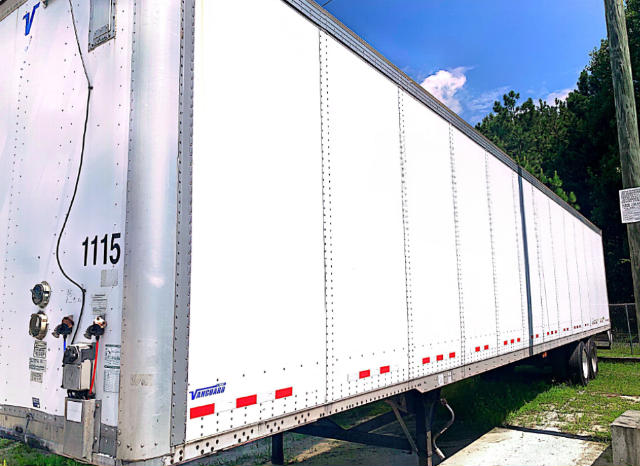
Selling a used 2018 trailer? List your used 2018 trailer for sale and reach thousands of commercial buyers.
Used 2018 Trailers in Georgia
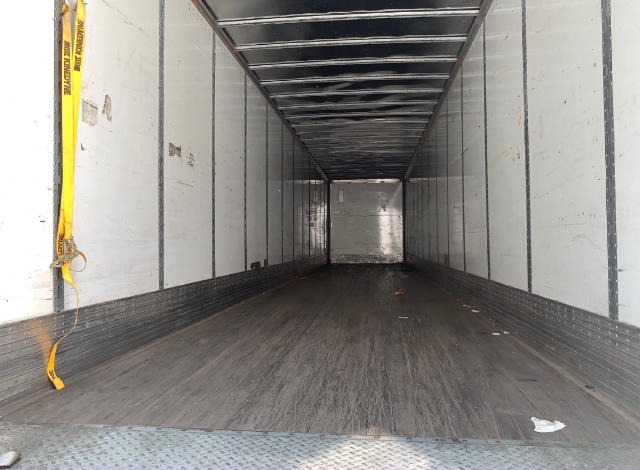
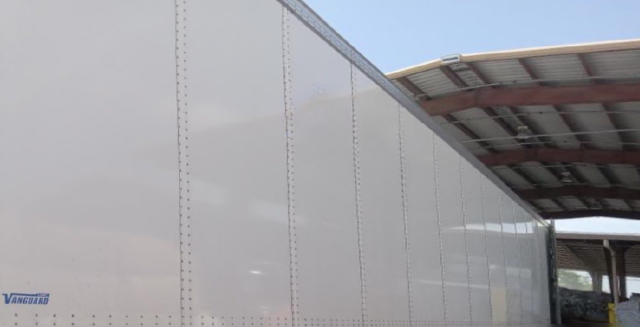
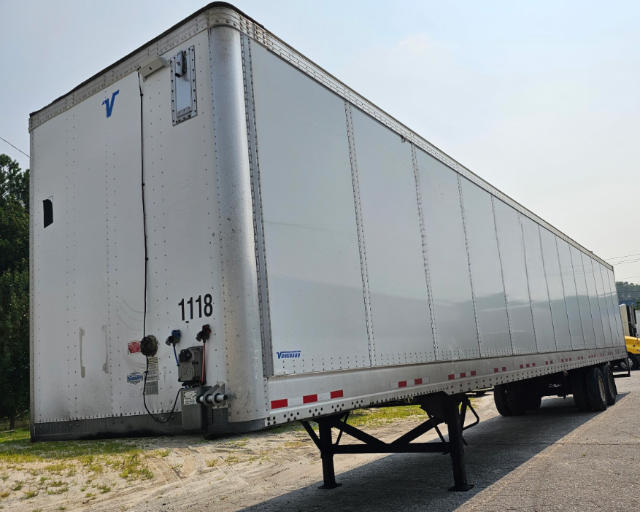
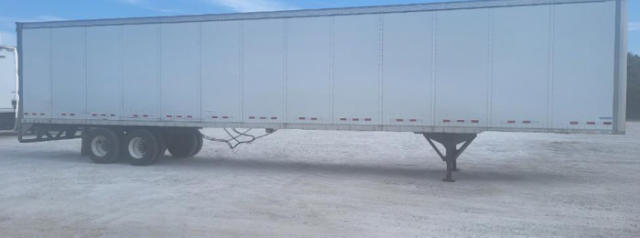
The first decision is usually trailer type. A 2018 dry van, also known as a van trailer or enclosed freight trailer, is the standard choice for palletized freight, retail loads, and general dry goods. Buyers should pay close attention to floor condition, wall liner wear, roof integrity, and rear frame damage, especially on high-cycle trailers that have seen heavy dock work. Wood floors remain common and are practical for forklift traffic, but condition matters more than material alone. If the trailer will run in dense distribution networks around Atlanta, Savannah, Macon, or along I-75 and I-95 corridors, tandem slide function, door hardware condition, and tire wear can affect uptime just as much as the basic box specs.
On a 2018 reefer trailer, the refrigeration unit is only part of the purchase decision. Buyers should evaluate unit hours, maintenance history, start-stop performance, evaporator condition, and the interior floor type. Aluminum flat floors and ducted airflow setups can influence temperature consistency depending on the freight mix. E-track or other cargo securement systems add flexibility for mixed refrigerated loads. Tire inflation systems, side skirts, stainless door frames, and disc wheels are also worth noting because they can reduce maintenance exposure or improve fleet operating efficiency over time. In Georgia heat and humidity, reefer insulation condition, door seals, and unit performance under sustained temperature demand are especially important.
A used 2018 trailer should also be judged by how well its spec matches the freight, not just by age. Check axle ratings, suspension type, wheel-end setup, brake configuration, kingpin area condition, crossmember integrity, and any evidence of concentrated floor repairs or impact damage. For fleet buyers, aerodynamic equipment such as side skirts may support fuel savings on highway lanes, while local and regional operations may prioritize simple, durable specifications that are easy to service. A well-matched 2018 trailer can still offer years of productive service if the structure is sound, the running gear has been maintained, and the cargo-handling features fit the work.
Frequently Asked Questions about Used 2018 Trailers in Georgia
What should I inspect first on a used 2018 trailer?
Start with the structural condition. Check the frame rails, crossmembers, kingpin area, suspension mounts, tandem slide rails, and rear impact guard for cracks, repairs, or corrosion. Then inspect the roof, sidewalls, floor, doors, and wheel ends. On dry vans, floor wear and rear frame damage are common cost points. On reefers, add refrigeration unit hours, service records, insulation condition, and door seal performance to the top of the list.
Is a 2018 trailer still a good age for fleet use?
Yes, a 2018 trailer can still fit fleet service if it has been maintained properly and the spec matches the application. Many 2018 trailers already include modern fleet features such as air ride suspension, sliding tandems, logistics posts, side skirts, disc wheels, and tire inflation systems. The real value comes down to maintenance history, structural integrity, and remaining life in the floor, brakes, tires, suspension, and major components.
What is the difference between a 2018 dry van and a 2018 reefer trailer?
A 2018 dry van is built for non-temperature-sensitive freight and generally has a simpler design with lower maintenance costs. A 2018 reefer trailer adds an insulated body and a refrigeration unit for perishable or temperature-controlled cargo. Reefer trailers usually cost more to buy and maintain because the cooling unit, fuel system, and insulated structure all require regular service. Buyers should choose based on freight type, lane requirements, and tolerance for added maintenance complexity.
Which trailer specs matter most for Georgia operations?
For Georgia freight, buyers often prioritize 53-foot length, 102-inch width, 13-foot 6-inch height, air ride suspension, and sliding tandems because those specs fit common regional and long-haul lanes. Dry van buyers should look for sound floors, logistics posts, and durable rear door hardware for frequent dock work. Reefer buyers should focus on refrigeration unit performance in hot weather, good insulation, tight door seals, and airflow-friendly interior design. Equipment that handles interstate runs, port-related freight, and high-cycle distribution work tends to be the best fit.
Are side skirts and tire inflation systems worth having on a used 2018 trailer?
They can be, especially for fleets running steady highway miles. Side skirts may help reduce aerodynamic drag and support fuel savings, while tire inflation systems can help maintain proper tire pressure and reduce irregular wear or roadside failures. The value depends on the route profile, maintenance program, and condition of the equipment already installed. Buyers should inspect these systems carefully because damaged fairings or neglected tire inflation components can turn a useful feature into a repair item.