
Used 2017 Trailers For Sale in Nebraska

Have used 2017 trailer to sell? List it here to reach thousands of buyers.
Used 2017 Trailers in Nebraska
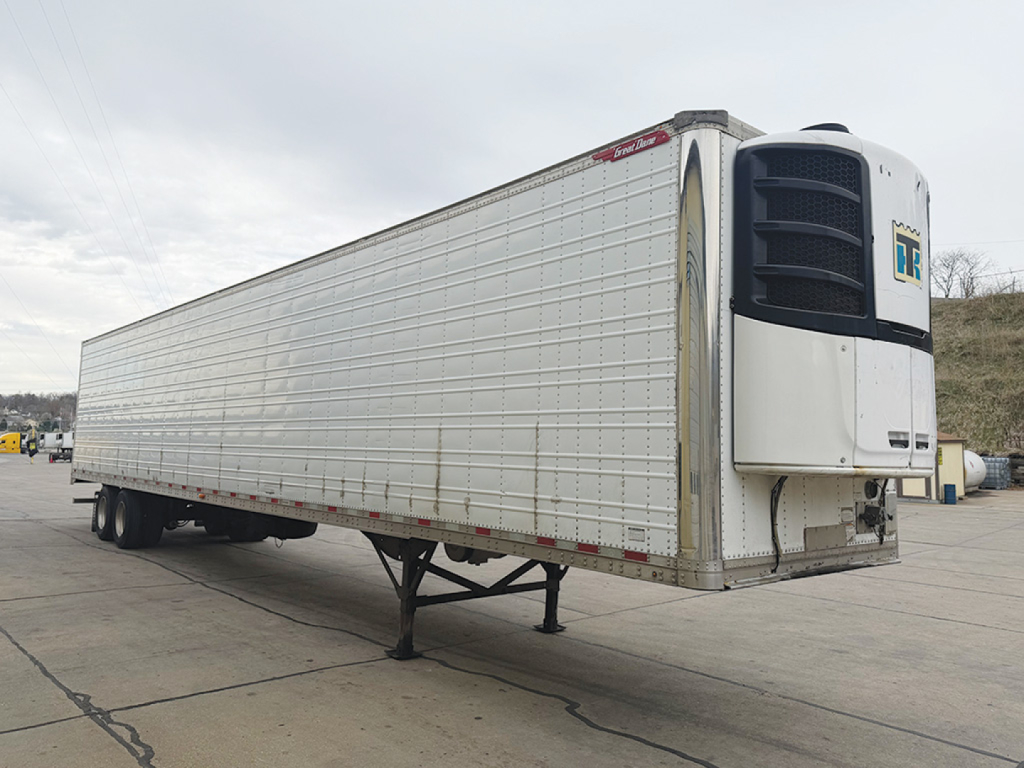
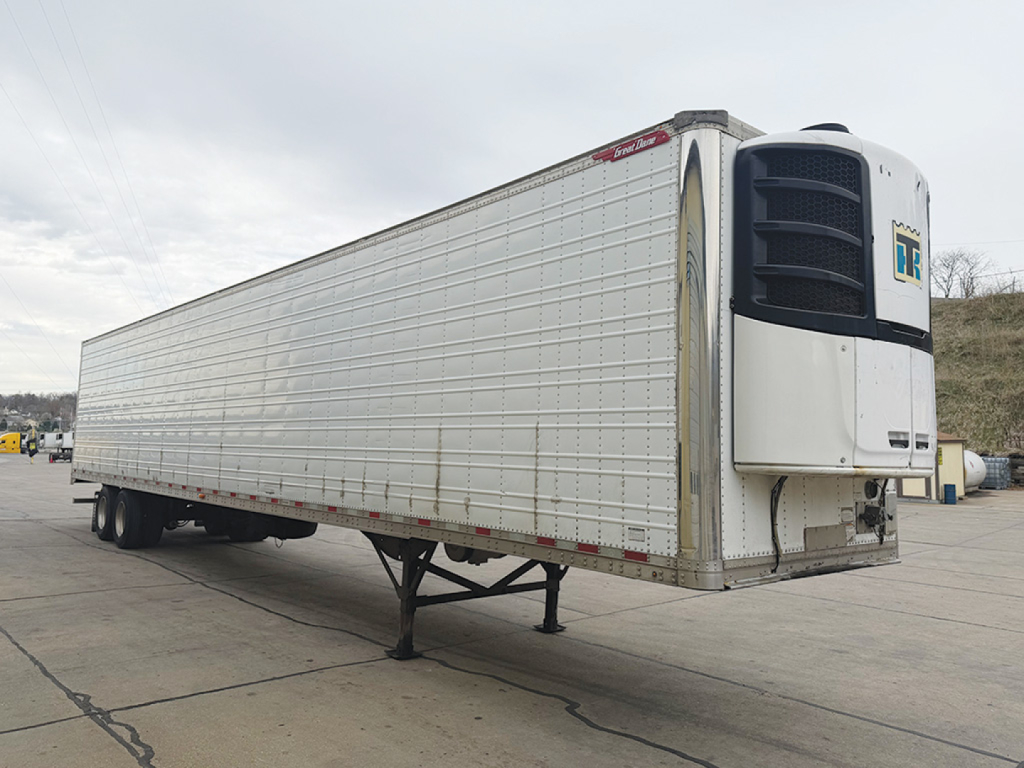
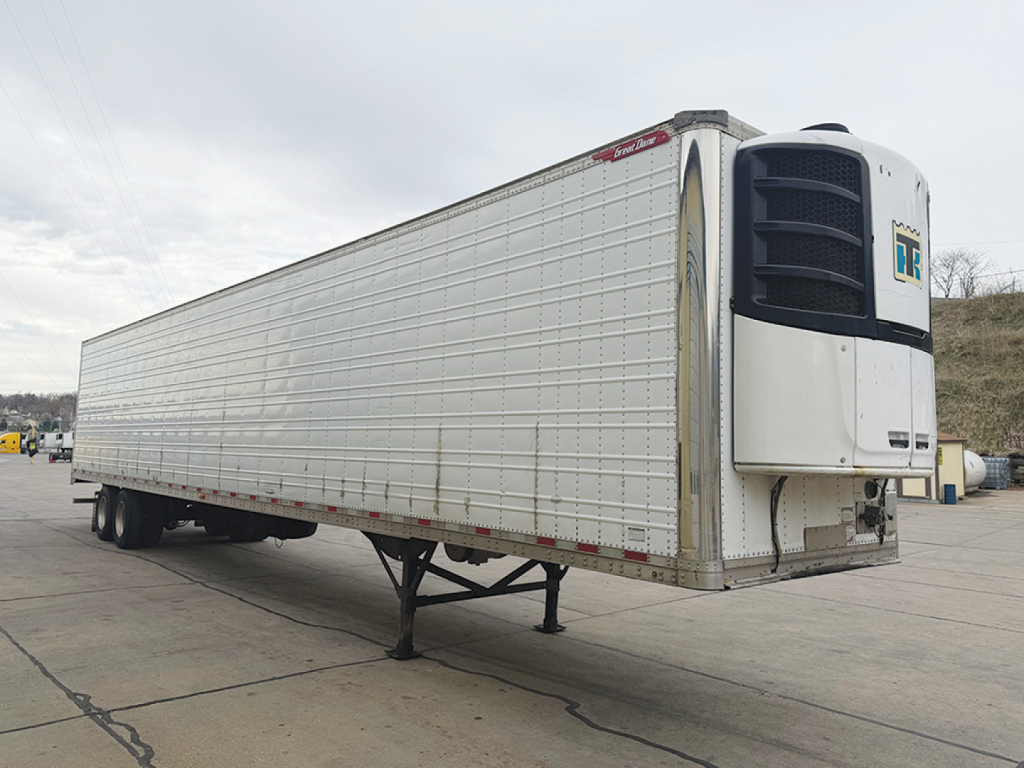
Reefer trailers from this model year commonly show up in 53-foot by 102-inch configurations with 13-foot 6-inch overall height, aluminum duct floors, scuff liners or scuff plate protection, stainless front and rear trim, and swing doors. Buyers should pay close attention to refrigeration unit brand and model, hours, service history, evaporator performance, and insulation integrity. In Nebraska, reefer buyers often need equipment that can handle large seasonal temperature swings, so door seals, cold chutes, floor condition, and air leakage matter as much as the unit itself. Dry vans from the same year are often evaluated on roof condition, wall lining, floor wear, suspension type, and tandem slide operation. A van trailer may look clean but still need crossmember, floor, or rear frame work, so a close underbody inspection is worth the time.
Specialty trailers are equally important in this market. Belt trailers, also called live bottom trailers, are popular for fertilizer, grain byproducts, feed ingredients, mulch, and other loads that need controlled discharge without tipping. Buyers usually compare belt width, liner condition, chain-drive components, tarp system, cubic yard capacity, axle spacing, and suspension spec. In windy plains conditions and on uneven rural sites, a live bottom can offer a real safety advantage over an end dump. Nebraska buyers also tend to focus on corrosion exposure, especially on trailers that have seen heavy winter road treatment, as well as tire condition, hub and drum life, and whether the trailer is set up for the bridge and weight requirements they run most often.
A good used 2017 trailer purchase starts with matching the trailer to the lane and the commodity, not just the price tag. Check kingpin setting, overall empty weight, door opening dimensions, inside height, and floor type against the freight you intend to move. On reefer and van trailers, look for straight rails, even tire wear, smooth tandem slide travel, and evidence of consistent PM. On belt and other specialty trailers, inspect wear points around the discharge system, belt tracking, and structural stress areas. A 2017 trailer can still deliver strong service life if the core structure is sound and the original spec fits the job.
Frequently Asked Questions about Used 2017 Trailers in Nebraska
What should I inspect first on a used 2017 trailer?
Start with the frame, crossmembers, suspension, tandem slide, tires, brakes, and rear structure. Those areas tell you more about remaining service life than cosmetics. On reefer trailers, add the refrigeration unit hours, maintenance records, door seals, floor condition, and insulation performance. On dry vans, focus on floor wear, roof leaks, wall damage, and rear door frame condition. On belt trailers, inspect the belt, drive system, liners, and discharge components for wear and alignment issues.
Are 2017 reefer trailers still a good buy for fleet or owner-operator use?
A well-maintained 2017 reefer trailer can still be a strong value if the box is sound and the refrigeration unit has documented service history. Many 2017 reefers include desirable specs such as air ride, sliding tandems, duct floors, cold chutes, and tire inflation systems. The key is to evaluate total operating cost, not just purchase price. Deferred reefer unit maintenance, damaged insulation, or worn swing doors can quickly erase any upfront savings.
Why would a buyer choose a belt trailer instead of an end dump?
A belt trailer, often called a live bottom trailer, unloads material by moving the cargo out on a conveyor-style belt rather than raising the body. That makes it useful on uneven ground, under overhead obstructions, and in windy conditions where tip-over risk matters. It is a common choice for agricultural products, feed, compost, road materials, and other bulk commodities that benefit from controlled unloading. Buyers should verify belt condition, chain-drive health, liner wear, and tarp operation before purchase.
What trailer specs matter most for Nebraska operations?
Nebraska buyers often balance highway work, agricultural hauling, and seasonal weather extremes. Important specs include suspension type, axle ratings, tire size, corrosion condition, door sealing, and the trailer's suitability for state and regional weight requirements. For reefer applications, refrigeration performance in both summer heat and winter cold is critical. For bulk and specialty trailers, stability, liner condition, and discharge reliability are especially important on rural roads and job sites.
How important is tandem position and kingpin setting on a used trailer?
Tandem position and kingpin setting directly affect bridge compliance, axle loading, and how easily the trailer can be matched to different tractors and freight lanes. A sliding tandem adds flexibility for legal weight distribution and dock maneuvering, but it should move freely and lock properly. Kingpin setting matters for swing clearance, weight transfer, and tractor compatibility. Buyers running mixed freight or multiple states should confirm these dimensions before committing to a trailer.