
Used 2016 Trailers For Sale in Kansas

Have used 2016 trailer to sell? List it here to reach thousands of buyers.
Used 2016 Trailers in Kansas
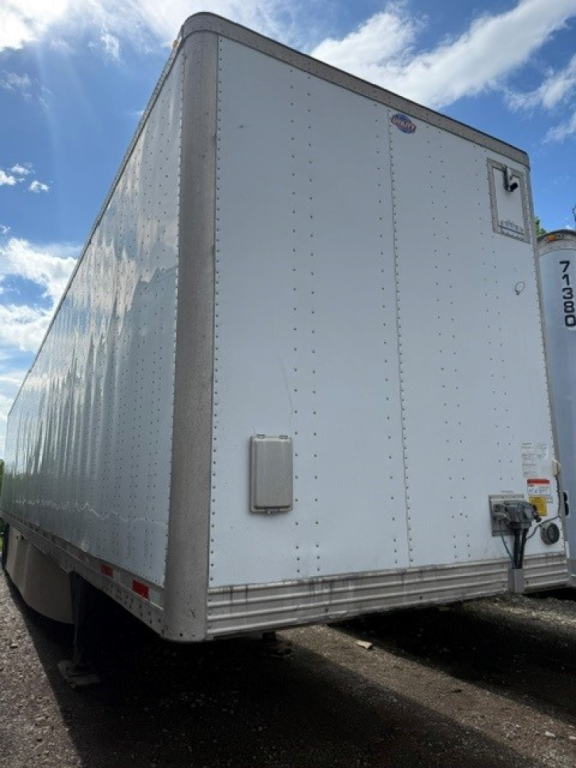
For van trailers, floor condition and water tightness matter as much as mileage matters on a truck. Look closely for roof patches, wall repairs, rotten or broken floor sections, door frame alignment, rear sill wear, and scuff liner condition. Features such as tire inflation systems, side skirts, swing or roll doors, and logistics posts can affect operating cost and lane suitability. On dump trailers, tub design is a major separator. Frameless half round bodies, full-frame end dumps, side height, cubic yard capacity, tarp setup, and gate control all change how the trailer works in aggregate, demolition, or farm service. Suspension choice, especially spring ride versus air or single-point setups, also affects stability, maintenance, and payload expectations.
Kansas buyers often need equipment that can handle highway miles, wind exposure, mixed seasonal conditions, and occasional gravel or unpaved yard access. That makes undercarriage inspection important. Check for bushing wear, cracked hangers, slack adjuster condition, brake chamber age, ABS faults, and uneven tire wear that points to alignment or suspension issues. Verify wheel ends, hub seals, lights, wiring harness condition, and the overall state of the ICC bumper and rear structure. If the trailer will cross state lines, current inspection status and FMCSA compliance items can save time before it goes to work.
A used 2016 trailer is often the sweet spot for buyers who want modern specs without late-model pricing, but condition matters more than model year. Maintenance history, prior application, and component replacement records tell the real story. A dry van that has a solid floor, dry roof, recent brakes, and good rubber may be a better buy than a newer trailer with deferred maintenance. The same goes for dump trailers with straight tubs, healthy hoist systems, and clean gate operation. Compare GVWR, tare weight, interior dimensions, kingpin setting, suspension, and repair history against the freight or material you actually haul. That is what determines long-term value.
Frequently Asked Questions about Used 2016 Trailers in Kansas
What should I inspect first on a used 2016 trailer?
Start with the structure and running gear. On any used 2016 trailer, inspect the frame, crossmembers, landing gear mounts, suspension components, axle alignment, brakes, tires, wheel ends, and electrical system before focusing on cosmetic items. On van trailers, roof condition, floor integrity, rear door sealing, and wall damage are high-priority checks. On dump trailers, look closely at the tub, hoist mounting points, hinge area, gate operation, tarp system, and any signs of cracks, patches, or distortion from hard loading.
Is a 2016 trailer too old for regular commercial use?
A 2016 trailer is not automatically too old for commercial work. Trailer life is driven more by maintenance, loading practices, environment, and repair quality than by model year alone. Many 2016 trailers remain productive in regional haul, construction, agriculture, and general freight service if brakes, suspension, floors, tires, lighting, and structural components have been kept up. A documented maintenance history and a thorough inspection matter more than age by itself.
What features matter most on a 2016 dry van trailer?
The biggest value drivers on a 2016 dry van are floor condition, leak-free roof and walls, door seal integrity, suspension type, brake and tire life, and any fuel-saving equipment already installed. Tire inflation systems and side skirts can reduce operating costs, while logistics posts, scuff liners, and a clean interior improve loading flexibility and resale appeal. Buyers should also confirm interior height, trailer length, axle configuration, and whether the trailer matches dock, pallet, and lane requirements.
What features matter most on a 2016 dump trailer?
On a 2016 dump trailer, body style and structural condition are the main decision points. Buyers should compare frameless versus full-frame construction, side height, cubic yard capacity, suspension setup, tarp type, gate style, and tire size. The condition of the tub, hinge assembly, gate hardware, rear frame, and electrical connections is critical because those areas see heavy stress. A straight body with good brakes, usable tires, and a clean operating gate usually matters more than paint or appearance.
Why does location in Kansas matter when buying a used trailer?
Kansas use conditions can affect both spec choice and inspection priorities. Long highway runs, crosswinds, farm access roads, and seasonal weather put emphasis on stable suspension, sound brakes, good tires, sealed lighting, and durable undercarriage condition. Dry van buyers may prioritize aerodynamic equipment and floor durability, while dump trailer buyers may focus on suspension robustness and body condition for aggregate or agricultural use. Local operating conditions should always be matched to the trailer's previous application and current mechanical state.