
Used 2014 Trailers For Sale in Texas
Browse used 2014 trailers for sale in Texas, including dry vans, reefers, flatbeds, tank trailers, and step decks for regional or long-haul work.

Have used 2014 trailer to sell? List it here to reach thousands of buyers.
Used 2014 Trailers in Texas
For van and reefer work, focus on dimensions, interior condition, and cargo-control setup. Many 2014 dry vans in Texas are 53 feet long, 102 inches wide, and built with wood floors, scuff liners or scuff plate, logistics posts, and either swing or roll-up doors. Reefer buyers should look closely at the refrigeration unit hours, evaporator and condenser condition, chute setup, door seal condition, and the floor type such as flat floor or duct floor. In hot Texas service, reefer insulation integrity and unit performance under load are especially important. Air ride suspension, sliding tandems, tire inflation systems, and aluminum or steel wheel options are common spec points that affect operating cost and ease of use.
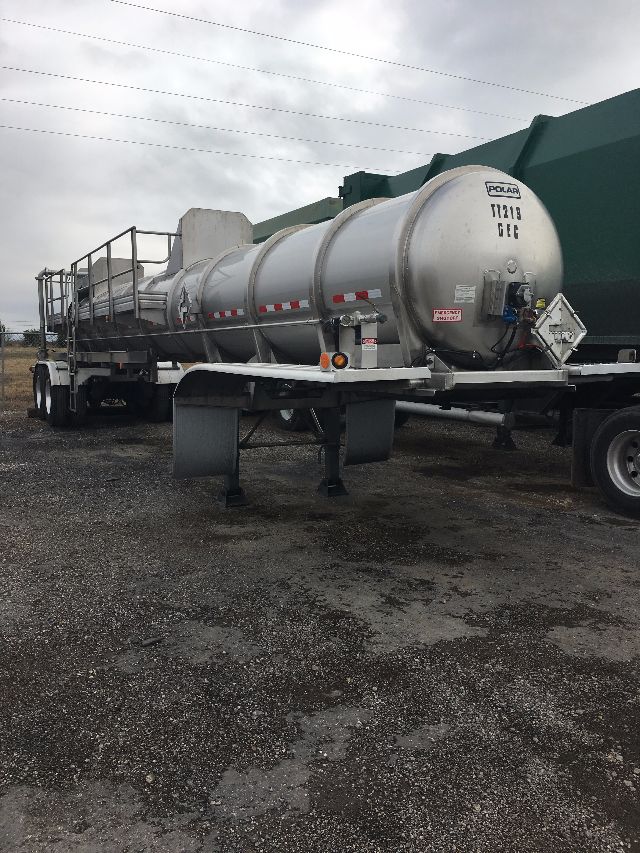
Flatbeds, drop decks, and step decks from 2014 are often judged by deck condition, axle layout, and legal load flexibility. A 48x102 flatbed remains a common choice for steel, machinery, pipe, building materials, and general open-deck freight. Buyers should verify main beam condition, deck wear, winch track integrity, rub rail damage, landing gear performance, and whether the trailer has fixed, sliding, spread, or closed tandem axles. For tank and pneumatic trailers, capacity, compartment count, discharge layout, and shell condition should be reviewed carefully, along with manholes, hopper condition, plumbing, and frame corrosion. If the trailer will stay in intrastate Texas service, axle spacing and bridge compliance still need to match the freight lanes and weight profile.
Texas buyers also tend to place extra value on trailers that are easy to keep on the road in high-mileage regional service. That means checking brake type, ABS function, tire size, suspension bushings, air system leaks, and signs of prior wreck repair. A 2014 trailer can be a cost-effective option for fleets, owner-operators, or dedicated contract work if the trailer has a clean title, sound structure, and the right spec for the job. The best choice is usually the trailer that fits the commodity, loading method, and route demands with the least rework after purchase.
Frequently Asked Questions about Used 2014 Trailers in Texas
What should I inspect first on a used 2014 trailer?
Start with the frame, crossmembers, suspension, brakes, tires, wheel ends, and floor or deck condition. On a van or reefer, inspect the roof, front wall, rear frame, door seals, and tandem slider rails. On flatbeds and step decks, pay close attention to the main beams, deck fasteners, rub rails, winches, and landing gear. Structural repairs, uneven tire wear, or signs of poor alignment usually matter more than cosmetic age.
Is a 2014 trailer too old for commercial use in Texas?
Not necessarily. A 2014 trailer can still be a productive commercial trailer if it has been maintained correctly and the major components are in good condition. Trailer age matters less than service history, structural integrity, brake compliance, and the condition of wear items like floors, tires, bushings, air lines, and wheel seals. Many 2014 trailers remain viable in regional, dedicated, agricultural, oilfield-support, and general freight applications.
What specs are most common on used 2014 dry vans and reefers?
Common specs include 53-foot length, 102-inch width, air ride suspension, sliding tandems, 22.5 low-profile tires, and either swing or roll-up rear doors. Dry vans often have wood floors, scuff liners, logistics posts, and threshold protection. Reefers typically add insulated walls, reefer unit mounting, stainless front components, interior cargo control such as E-track, and either flat or duct flooring depending on the application.
What matters most when buying a used 2014 flatbed or step deck?
The key points are deck condition, beam integrity, axle configuration, and how the trailer is set up for the freight you haul. A buyer moving machinery may prioritize a step deck with good load angle and securement options, while a steel or lumber operation may prefer a standard 48x102 flatbed with strong rub rails and winch tracks. Also verify tire condition, brake life, suspension wear, and any cracking or repairs around the neck, suspension hangers, and rear frame.
How do I choose between a 2014 dry van, reefer, flatbed, or tank trailer?
Match the trailer to the commodity first, then compare operating cost and maintenance complexity. Dry vans fit general freight and dock loading. Reefers are built for temperature-controlled loads but add refrigeration maintenance. Flatbeds and step decks handle oversized or crane-loaded freight and require more active load securement. Tank and pneumatic trailers are specialized around bulk commodity handling, so capacity, discharge system, and product compatibility are critical purchase factors.