
Used 2012 Trailers For Sale in Nebraska
Shop used 2012 trailers in Nebraska, including van, flatbed, reefer, and drop deck models with specs that matter for freight, uptime, and resale.
Have used 2012 trailer to sell? List it here to reach thousands of buyers.
Used 2012 Trailers in Nebraska
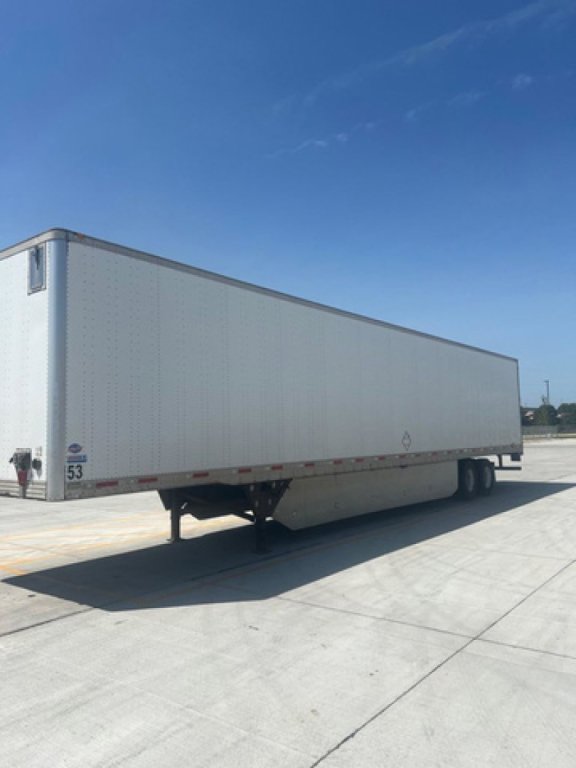
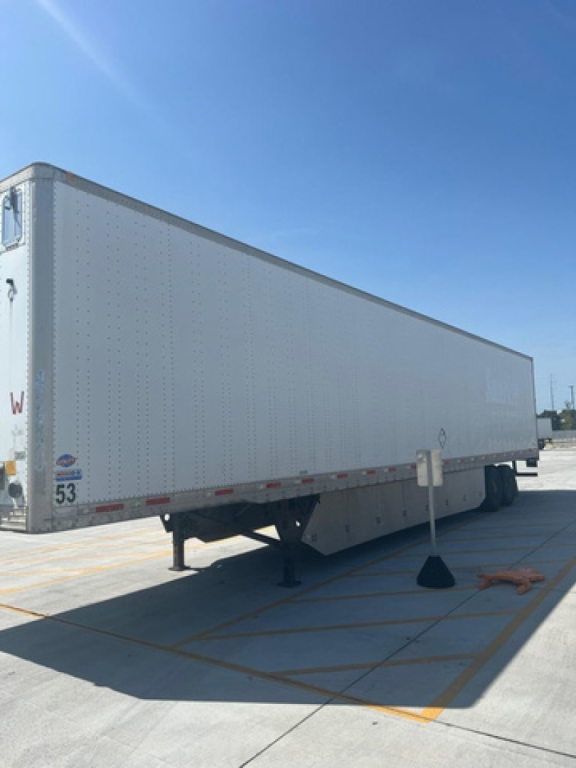
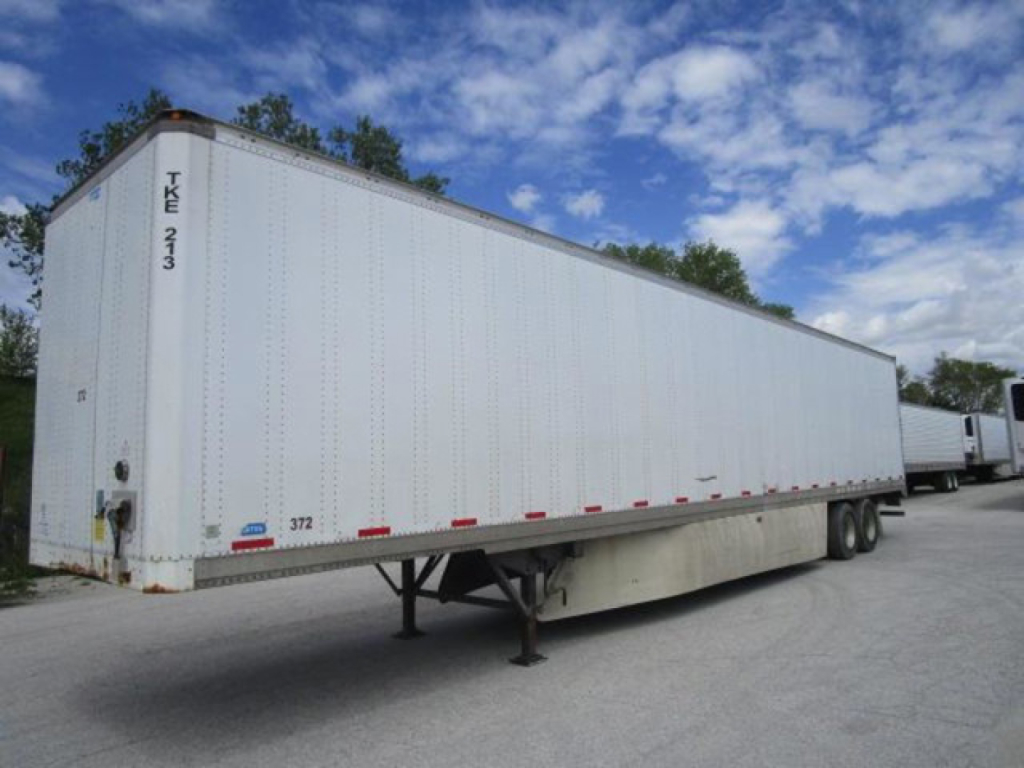
Dry vans from this model year are often chosen for general freight, boxed goods, palletized cargo, and route work where cargo protection and dock compatibility matter most. Key details include wood or laminated floors, lining condition, scuff liners or scuff plate, roof condition, threshold wear, and whether the trailer has swing doors or a roll door. Sliding tandems remain important for bridge law compliance and weight distribution, and air ride suspension is still a preferred spec for freight protection. On a 2012 van trailer, buyers should inspect crossmember condition, lower rail corrosion, landing gear play, and signs of prior rear impact repair, especially around the doorsill and hinge mounts.
For flatbeds and drop decks, the buying decision usually comes down to deck length, axle spread, tare weight, and securement package. A 2012 flatbed may be all aluminum, steel, or a composite build, with common freight including building materials, machinery, steel products, and ag-related loads. Features such as winch tracks, sliding winches, nail strips, coil package, bulkheads, and air ride suspension can change how versatile the trailer is in daily work. Drop deck trailers add lower deck height for taller freight and can include ramps, front platform space, and specialized deck layouts for equipment hauling or vehicle transport. On used open-deck trailers, check deck wear, crossmember spacing, cracked welds, suspension equalization, and kingpin area fatigue before comparing price alone.
A 2012 reefer trailer can still be productive in regional foodservice, grocery, dairy, meat, and temperature-controlled distribution if the box and refrigeration unit are both serviceable. Buyers should verify reefer unit hours, service history, floor type, chute condition, door seals, insulation performance, and signs of moisture intrusion around the front wall and roof seams. Across all 2012 trailer types, wheel-end condition, brake spec, tire size, tire inflation systems, ABS function, and VIN tag legibility should be part of any serious evaluation. In Nebraska, a well-kept 2012 trailer can still offer reliable service at a lower acquisition cost than newer equipment, but the best purchase is usually the trailer with the cleanest structure, the right spec for the lane, and the fewest deferred repairs.
Frequently Asked Questions about Used 2012 Trailers in Nebraska
What should I inspect first on a used 2012 trailer?
Start with the structure. Inspect the frame rails, crossmembers, kingpin area, suspension hangers, landing gear mounts, rear frame, floor, and roof before focusing on cosmetic items. On van and reefer trailers, door frame alignment, floor soft spots, and signs of water intrusion are high-priority checks. On flatbeds and drop decks, deck condition, cracked welds, and wear around securement points matter most because they directly affect safety and usable life.
Are 2012 trailers still a good value for commercial use?
Yes, if the trailer has the right specification and a solid maintenance history. A 2012 trailer often makes sense for fleets and owner-operators looking to control capital cost while still adding usable capacity. The value depends on remaining structural life, component condition, and how closely the trailer matches the intended freight. A lower-priced trailer with floor damage, suspension wear, or major corrosion can become more expensive than a better-maintained unit with a higher upfront price.
Which 2012 trailer type is best for Nebraska freight?
That depends on the freight lane and commodity. Dry vans are common for general freight and consumer goods, reefers fit food and temperature-sensitive loads, flatbeds are widely used for construction materials and machinery, and drop decks are preferred for taller cargo that needs lower deck height. Nebraska operators often balance seasonal agricultural work, regional distribution, and longer over-the-road lanes, so axle configuration, suspension type, and cargo securement options should match the load profile more than the badge on the nose.
What axle and suspension specs matter most on a used 2012 trailer?
The main considerations are tandem versus spread axle setup, air ride versus spring suspension, and whether the tandem slides. Sliding tandems give flexibility for weight distribution and bridge compliance, which is especially useful in van and reefer service. Air ride is widely preferred because it reduces cargo shock and generally improves ride quality. Buyers should also inspect bushings, shocks, airbags, brake components, wheel ends, and tire wear patterns because these reveal how the trailer has been maintained.
How important is reefer unit history on a 2012 refrigerated trailer?
It is critical. On a 2012 reefer, the refrigeration unit can determine a large share of the trailer's true value and future repair cost. Buyers should confirm engine hours, maintenance intervals, major component replacements, operating temperature performance, and any alarm or shutdown history. A reefer box may still be structurally sound, but if the unit has high hours and poor service records, the trailer may require substantial additional investment before it is dependable in temperature-controlled service.