
Used 2009 Trailers For Sale in Texas
Browse used 2009 trailers for sale in Texas, including van and reefer trailers with common specs, axle setups, door types, and flooring options.
Learn more
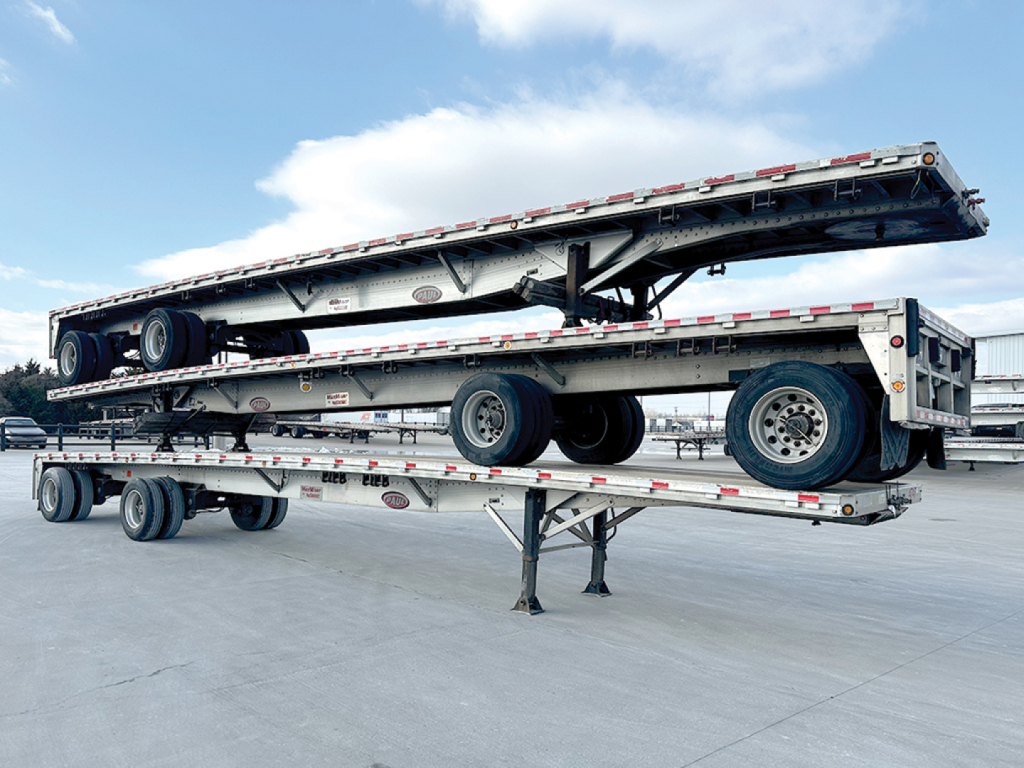
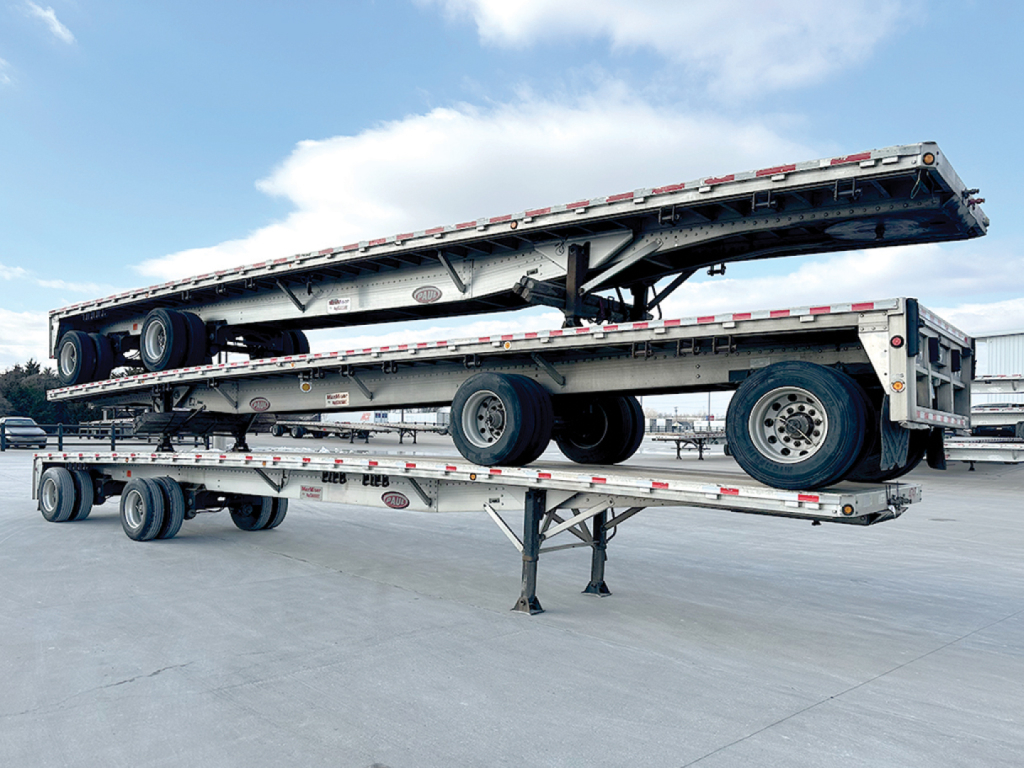
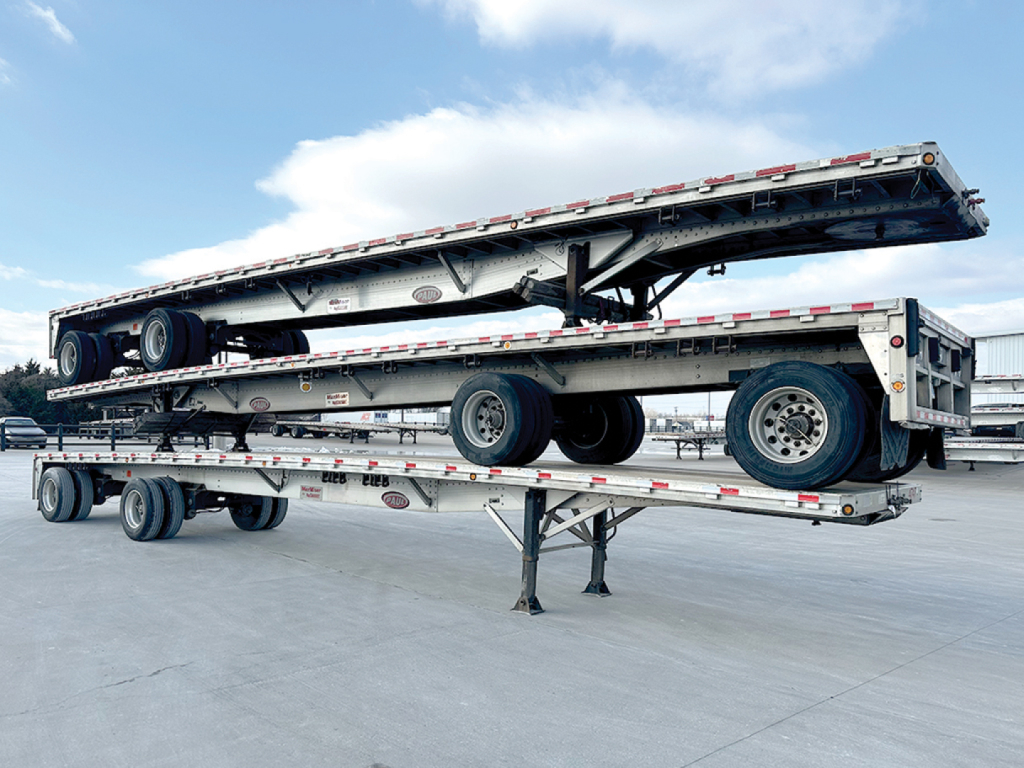
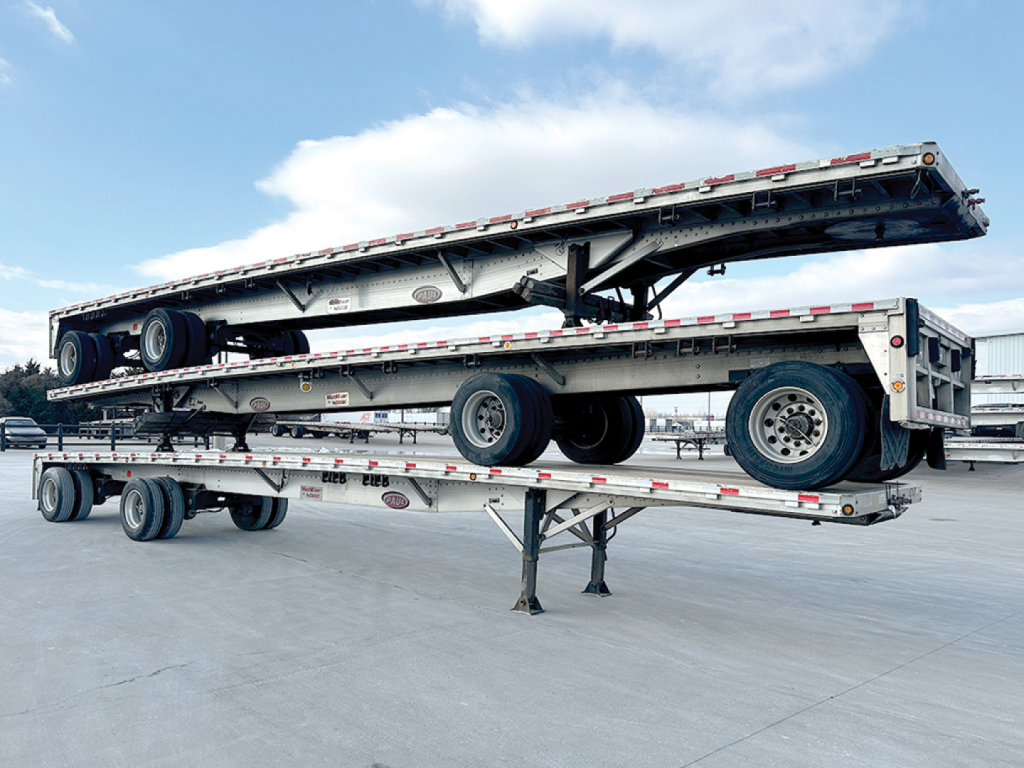
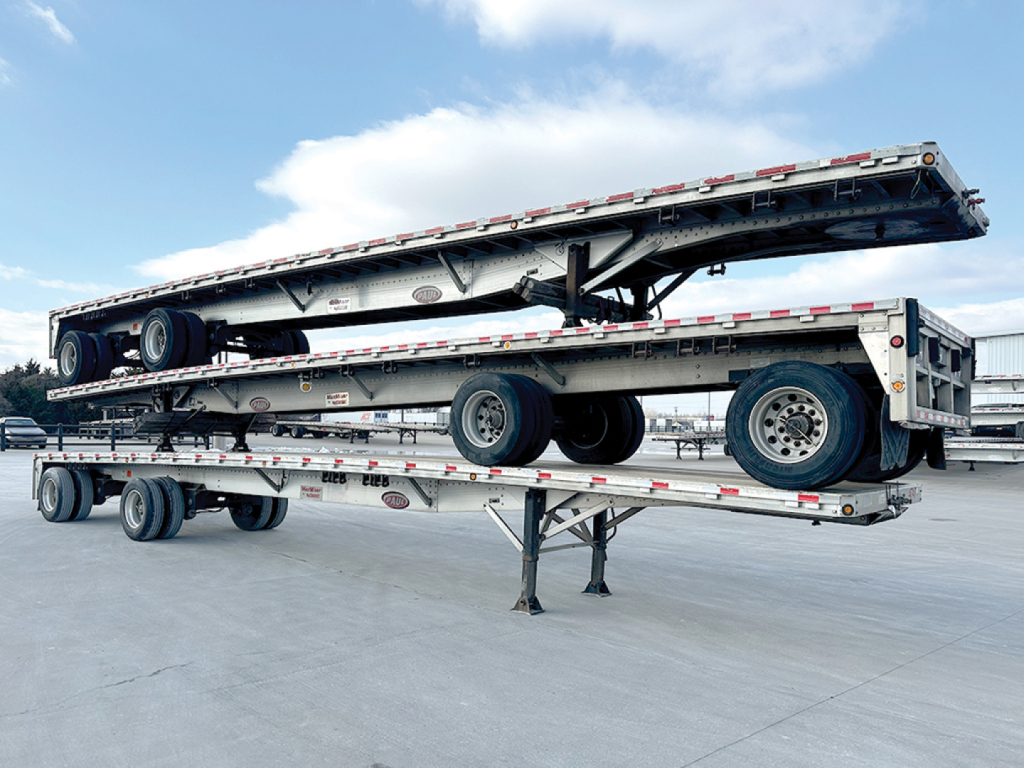
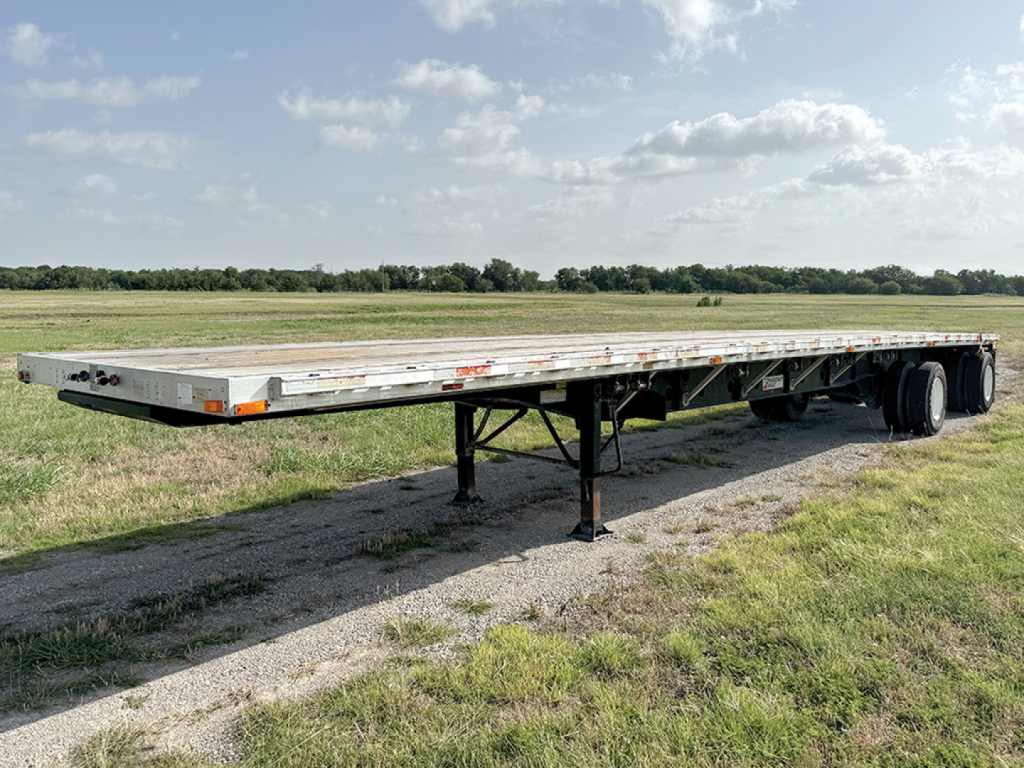
Have used 2009 trailer to sell? List it here to reach thousands of buyers.
About Used 2009 Trailers in Texas
For a 2009 trailer, structural condition matters more than cosmetic appearance. On vans, pay close attention to the roof, side sheets, crossmembers, rear frame, threshold plate, and floor condition. A wood floor with heavy forklift wear, soft spots, or patched sections can turn a low purchase price into a repair project. Interior specs like scuff liners, plywood or metal lining, E-track, logistics posts, and roll-up or swing doors affect how flexible the trailer will be for your freight mix. Roll-up doors can be useful for frequent dock work in urban delivery, while swing doors are often preferred for full dock access and simpler long-term maintenance.
Suspension and axle layout are major buying points on used trailers from this year range. Air ride is typically preferred for ride quality and cargo protection, while spring suspension can be simpler and lower cost to maintain. Sliding tandems are standard on many 53-foot trailers because they help with bridge-law compliance and weight distribution. Some buyers specifically look for spread axle configurations for certain load profiles, but those setups can limit maneuverability and increase tire scrub in tight yards. Tire size, wheel type, brake condition, ABS status, and overall running gear wear should be part of any inspection, especially on trailers that have spent years in regional service across hot Texas highways.
If you are evaluating a 2009 reefer trailer, the refrigeration unit deserves the same attention as the trailer body. Unit hours, service history, evaporator condition, duct floor integrity, door seal condition, and insulation performance all affect operating cost. A reefer with a sound box but a neglected unit can become expensive quickly. For van trailers, the value often comes down to freight-ready basics: a straight frame, dry interior, solid floor, working lights, healthy brakes, and a suspension setup that fits your lanes. The best used 2009 trailer is usually the one with the clearest maintenance history, the right interior configuration, and the least deferred structural work.
Frequently Asked Questions
What should I inspect first on a used 2009 trailer?
Start with the structure and running gear. Check the frame rails, crossmembers, roof, rear frame, floor, suspension, brakes, tires, wheels, and lights before focusing on cosmetic issues. Water intrusion, floor rot, cracked welds, bent components, and uneven tire wear usually tell you more about the trailer's real condition than paint or decals. On a 2009 trailer, maintenance records and evidence of past repairs are especially valuable.
Is a 2009 dry van trailer still a good buy?
A 2009 dry van can still be a practical purchase if the body is dry, the floor is sound, and the running gear does not need major immediate work. Dry vans generally age better than more complex trailer types because they do not carry refrigeration components. Buyers should focus on door operation, floor integrity, roof leaks, scuff damage, and tandem condition. For general freight, an older van trailer often remains serviceable if it has been maintained correctly.
What is the difference between air ride and spring suspension on used trailers?
Air ride suspension is usually preferred for better ride quality and reduced cargo shock, which matters for fragile or higher-value freight. Spring suspension is mechanically simpler and may cost less to maintain, but it can deliver a harsher ride. On a used trailer, the choice often comes down to your freight type, operating lanes, and repair budget. The actual condition of the suspension components is more important than the suspension type by itself.
What specs are most common on used Texas trailers from this era?
Many used trailers from this period are 53 feet long, 102 inches wide, and 13 feet 6 inches high. Sliding tandems are common, along with 22.5 low-profile tires and either steel or aluminum disc wheels. Dry vans often include wood floors, scuff plates, threshold plates, swing or roll-up doors, and cargo-control systems such as E-track or logistics posts. Reefer trailers commonly add insulated walls, duct floors, stainless rear frames, and refrigeration units from major suppliers such as Thermo King or Carrier.
Are used reefer trailers from 2009 riskier than used dry vans?
In most cases, yes, because a reefer trailer has more systems to inspect and maintain. In addition to the trailer body and running gear, buyers need to evaluate the refrigeration unit, unit hours, service records, air chutes or ducting, floor condition, insulation, and door seals. A dry van is typically simpler and cheaper to keep on the road. A reefer can still be a strong buy, but only if the cooling system and insulated body are in verified working condition.