
Used 2004 Trailers For Sale in Texas
Browse used 2004 trailers for sale in Texas, including flatbed, dry van, and reefer options with specs buyers compare most.
Learn more
Have used 2004 trailer to sell? List it here to reach thousands of buyers.
About Used 2004 Trailers in Texas
For flatbeds, common buyer checkpoints include trailer length, aluminum versus composite construction, floor condition, nail strips, winch track setup, spool package, toolbox configuration, and spread axle or tandem layout. Air ride suspension is often preferred for more sensitive loads, while overall tare weight matters for operators trying to maximize payload. On a 2004 flatbed, look closely at crossmembers, main beam condition, landing gear mounts, suspension wear points, wheel-end history, and signs of concentrated deck damage from forklifts or coil loading. Securement details matter because replacing worn tracks, bent rub rails, or damaged stake pockets can quickly change the true cost of ownership.
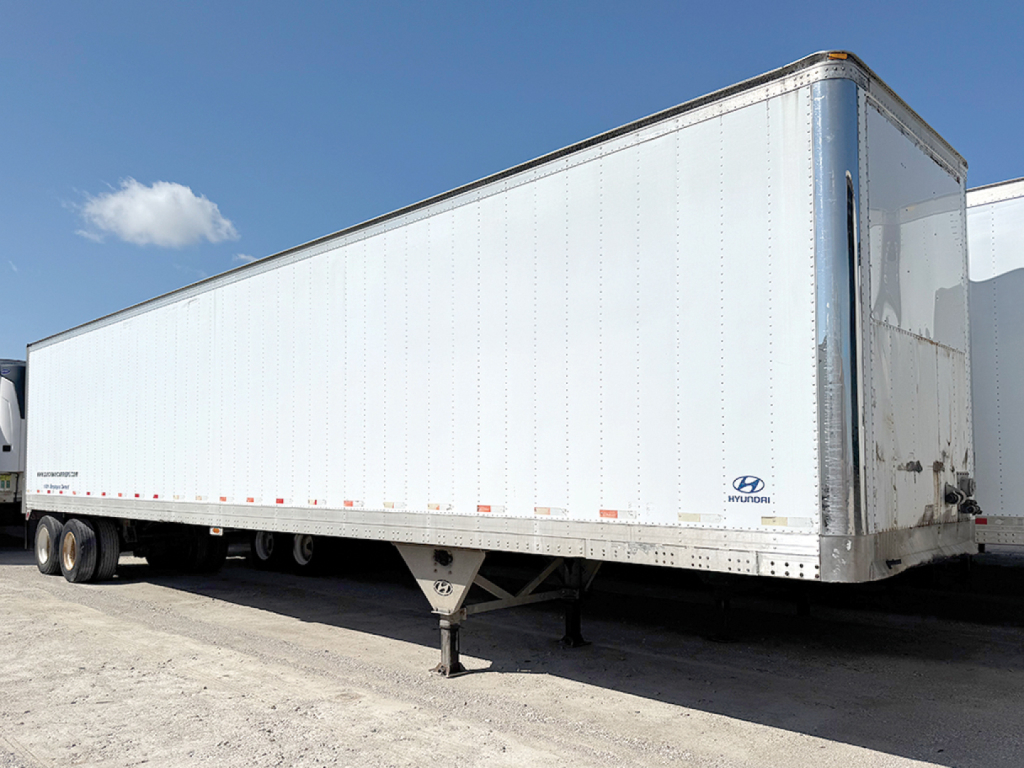
For dry vans and reefers, body condition is usually more important than paint or cosmetic appearance. Buyers should inspect roof integrity, front wall condition, rear frame and threshold wear, floor rot or delamination, door sealing surfaces, and the condition of scuff liners or logistics tracks. A 2004 dry van used in regional or warehouse-to-warehouse service can still make sense if the floor, tandem slide, and suspension are in good order. A 2004 reefer demands a closer look at insulation performance, duct floor condition, unit hours, maintenance records, and whether the refrigeration unit remains compliant and economical to operate. In Texas heat, reefer buyers should be especially careful about air leaks, door fitment, and unit pull-down performance.
Because these are used 2004 trailers, value comes down to structural life remaining, maintenance history, and how closely the trailer spec fits the freight. Important checkpoints across the category include VIN plate legibility, brake system condition, tire age, wheel type, ABS function, kingpin wear, frame alignment, and evidence of prior repairs around suspension hangers or the rear impact guard. Texas buyers also tend to weigh title status, local registration requirements, and the practicality of running older equipment on long interstate routes versus shorter intrastate lanes. A well-kept 2004 trailer can be a cost-effective option for construction materials, general freight, agricultural loads, or dedicated contract work when the trailer has been maintained with the next inspection and repair cycle in mind.
Frequently Asked Questions
What should I inspect first on a used 2004 trailer?
Start with the structure, because structural repairs are usually the most expensive and the hardest to justify on an older trailer. Inspect the main rails, crossmembers, floor, roof if applicable, rear frame, suspension mounting points, kingpin area, and landing gear supports. After that, move to brakes, tires, wheel ends, lights, ABS, and any trailer-specific equipment such as winch tracks, logistics posts, or reefer components. A clean appearance does not offset fatigue cracks, corrosion, or poor prior repairs.
Is a 2004 trailer still worth buying for commercial use in Texas?
A 2004 trailer can still be a practical commercial purchase if it has solid structure, current maintenance, and a specification that matches the intended work. Older trailers are often attractive for lower acquisition cost, local or regional routes, seasonal demand, and applications where cosmetic condition matters less than function. The key is to compare purchase price against near-term repair needs, downtime risk, and regulatory compliance. A cheaper trailer is not a better value if it immediately needs tires, brakes, floor work, and suspension repairs.
What trailer types are most common in the used 2004 market?
Flatbeds, dry vans, and refrigerated trailers are among the most common used 2004 trailer types buyers will find. Flatbeds remain popular for building materials, steel, machinery, and other open-deck freight. Dry vans fit general freight and dock-based operations, while reefers serve food, beverage, and temperature-controlled freight. The best choice depends on cargo type, loading method, lane length, and whether payload, protection, or temperature control is the priority.
What matters most on a used 2004 reefer trailer?
The refrigeration unit, insulation integrity, and body sealing surfaces are the biggest factors on a 2004 reefer. Buyers should review engine hours, service records, recent major repairs, unit start-up behavior, and temperature pull-down performance. The trailer body also needs close inspection for floor damage, door seal wear, front wall issues, and any signs that warm air is entering the box. In a hot climate like Texas, even small sealing problems can create major performance and fuel-consumption issues.
Are spread axles or tandems better on an older flatbed trailer?
It depends on the freight and the routes. Spread axles can improve load distribution and are common on flatbeds hauling certain commodity types, but they can also increase tire scrub in tight maneuvering and may create bridge law or route-planning considerations. Tandem axles are often simpler to position and can be easier to manage in more varied freight networks. On an older flatbed, condition matters as much as configuration, so inspect bushings, hangers, axle alignment, and tire wear patterns before deciding which setup is the better fit.