
Used 2003 Trailers For Sale in New York
Browse used 2003 trailers for sale in New York, including van, bulk, flatbed, and specialty trailer types with specs that matter to buyers.
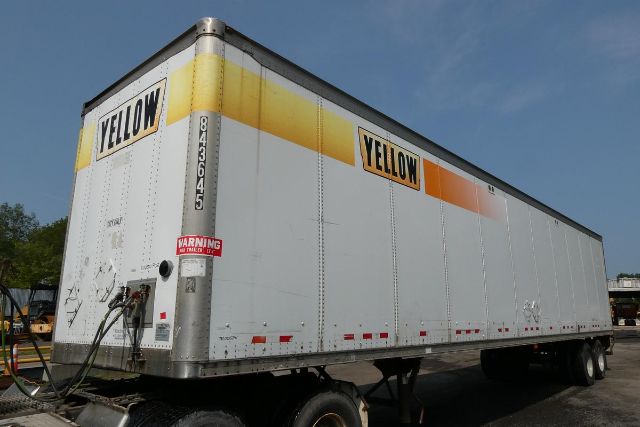
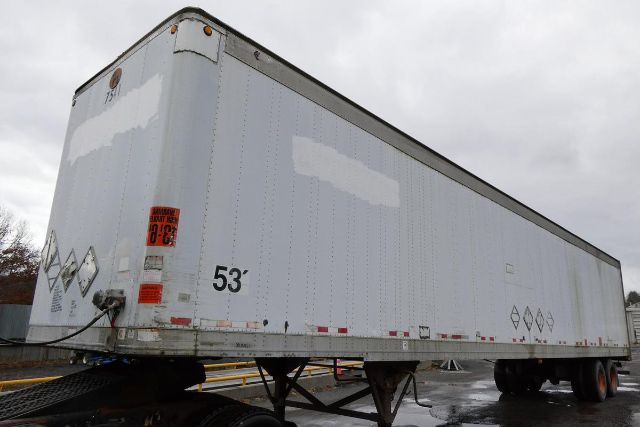
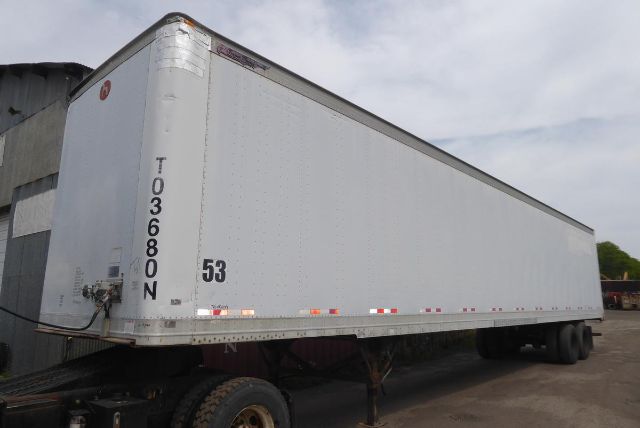
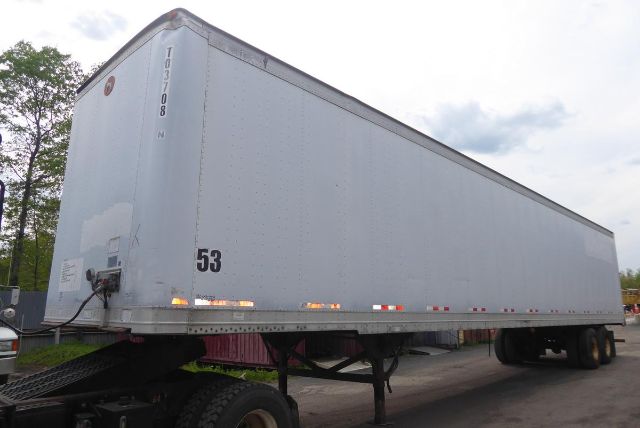
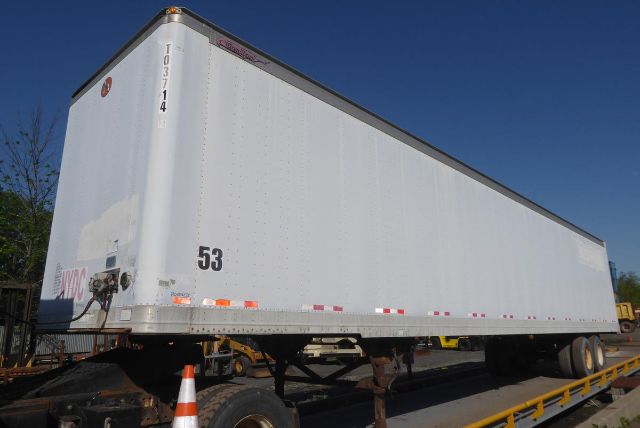
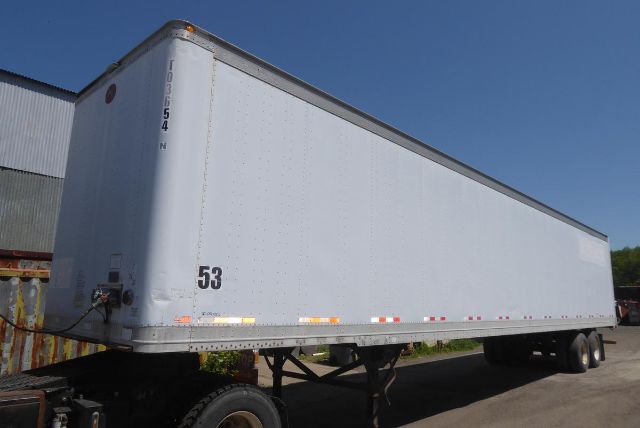
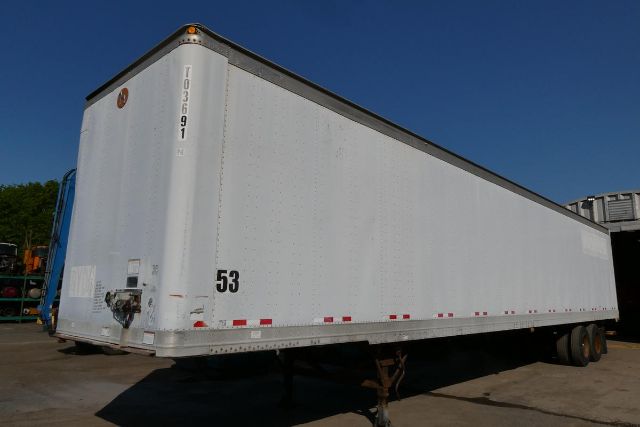
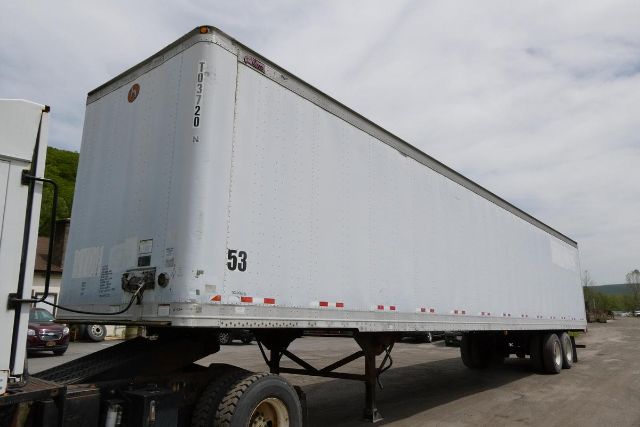
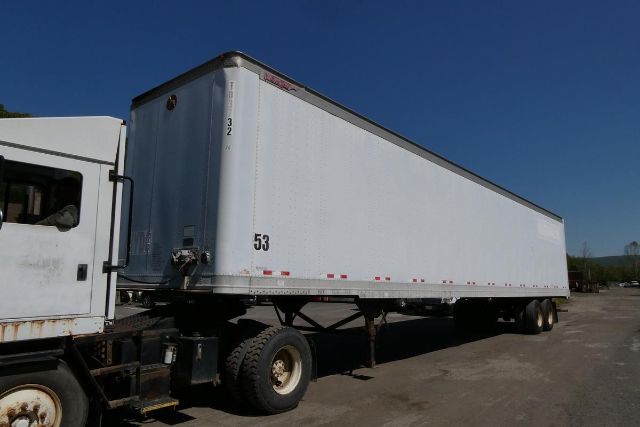
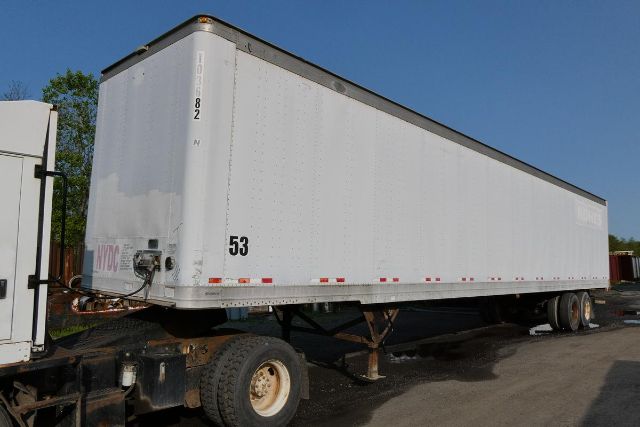
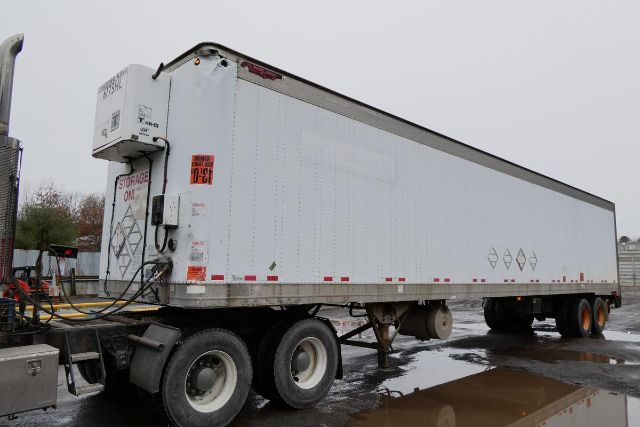
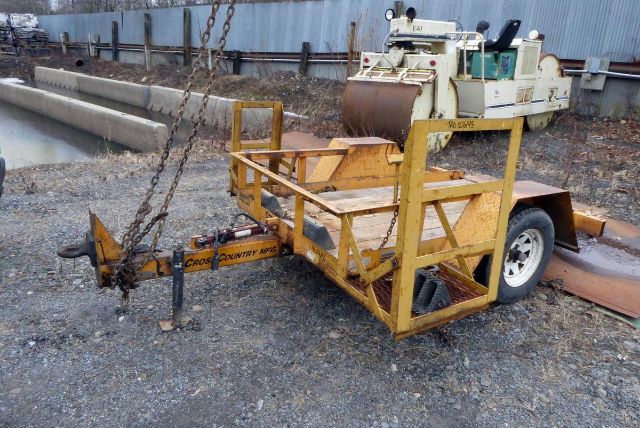

Selling a used 2003 trailer? List your used 2003 trailer for sale and reach thousands of commercial buyers.
Used 2003 Trailers in New York
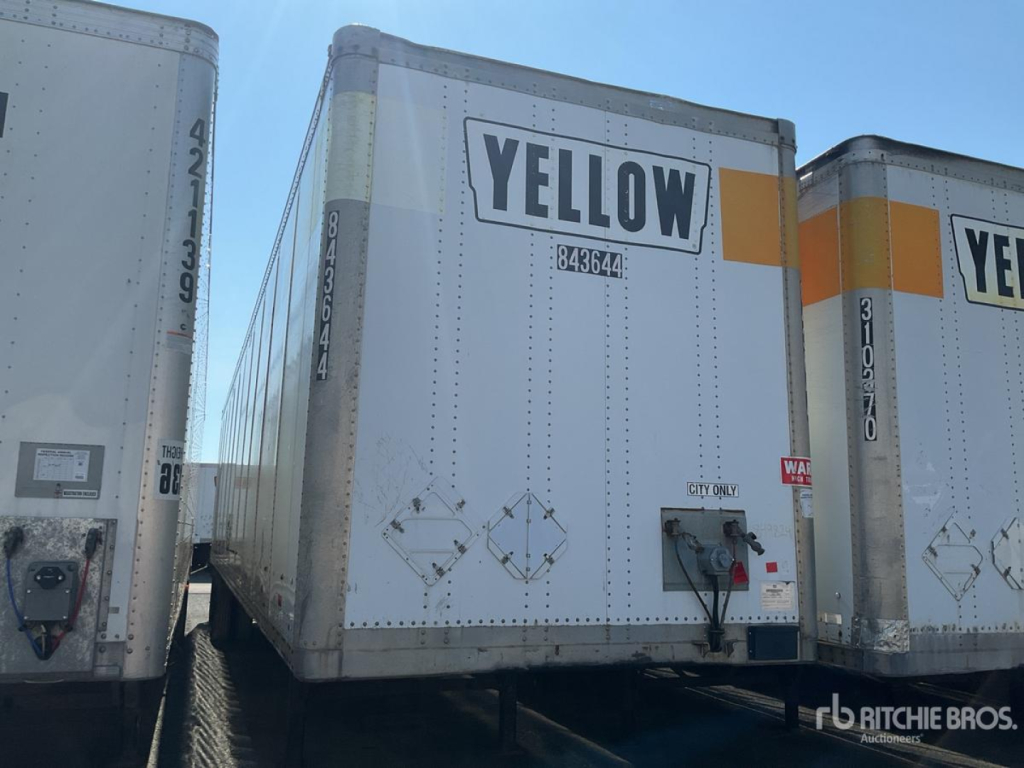
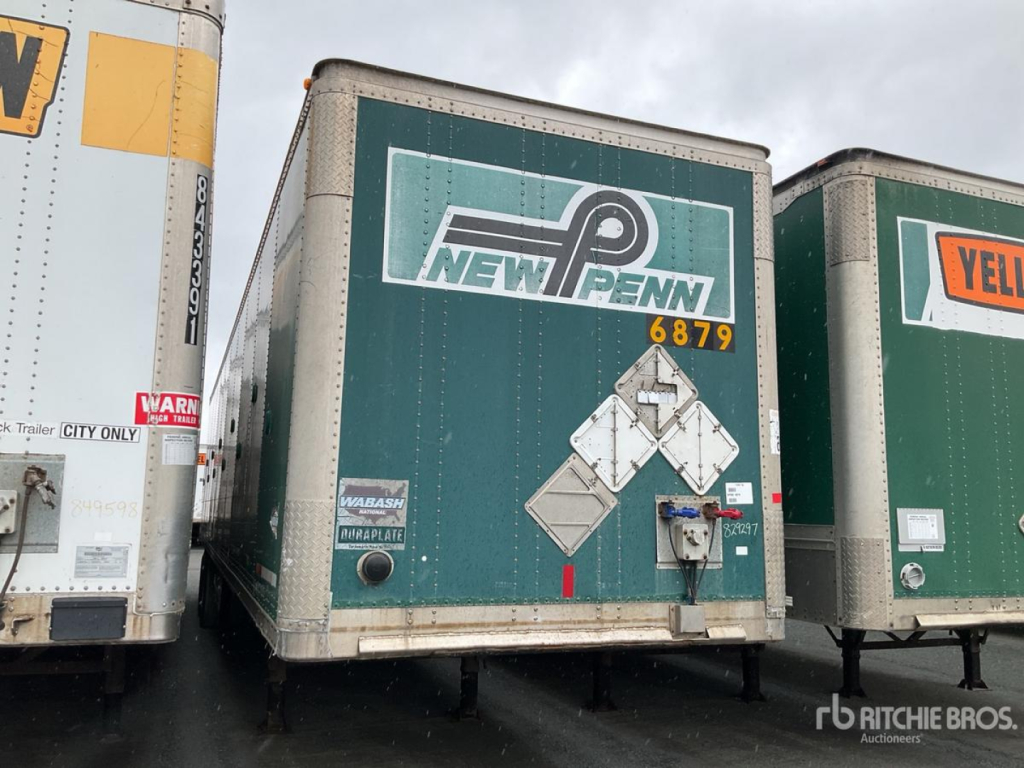
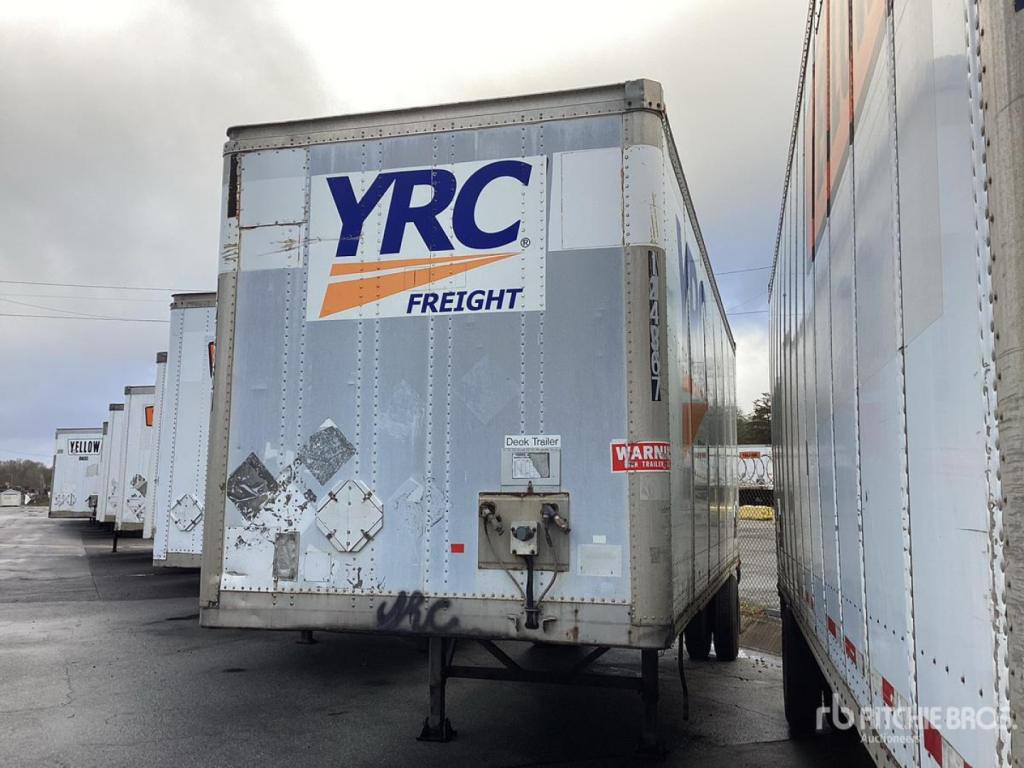
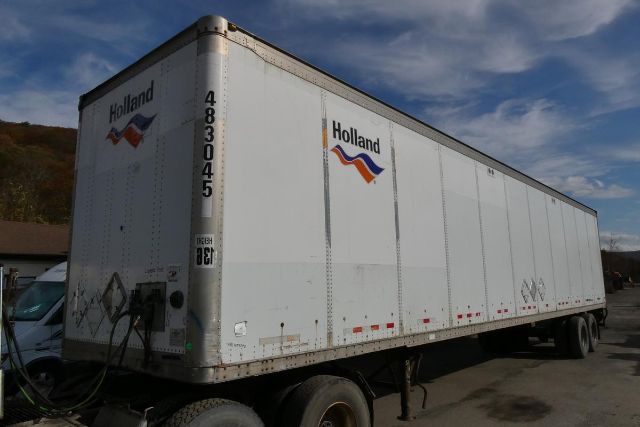
For dry vans and similar enclosed trailers, common checkpoints include roof condition, sidewall repairs, scuff liner wear, rear frame damage, roll-up or swing door alignment, and signs of water intrusion around seams. A typical 2003 van trailer may be a 48-foot or 53-foot tandem axle unit with spring or air ride suspension, wood floor over steel crossmembers, and either fixed or sliding tandems. In New York, trailer length, bridge law considerations, dock compatibility, and tight urban delivery access can matter as much as overall capacity. Buyers running food, retail, parcel, or warehouse freight should also verify interior dimensions, logistic post spacing, and the condition of the nose, thresholds, and ICC bumper.
If the trailer is a specialized 2003 model such as a drop deck, dry bulk pneumatic, flatbed, or other vocational configuration, the inspection points shift quickly. Dry bulk buyers should review tank or vessel condition, hopper discharge layout, product piping, valve sizes, blower compatibility, and any evidence of contamination or patchwork repairs. Flatbed and drop deck buyers should pay close attention to deck wear, frame cracks, outriggers, winch track condition, landing gear, and tire clearance around suspension travel. In older specialty trailers, usable life is usually determined by structural integrity and the cost of bringing brakes, tires, lights, air lines, and suspension components up to standard.
A 2003 trailer can make sense for owner-operators, small fleets, and yards that need functional capacity without paying late-model prices. The best buying approach is to match the trailer to a specific application, then price in reconditioning before the deal is made. In New York, corrosion from weather and road treatment can be a bigger factor than mileage or prior ownership count, especially on older steel components. A careful buyer will compare GVWR, axle spread, suspension type, brake setup, trailer composition, and repair history before deciding which used 2003 trailer offers the best value.
Frequently Asked Questions about Used 2003 Trailers in New York
What should I inspect first on a used 2003 trailer?
Start with the structural items that are expensive to correct. Inspect the main frame rails, crossmembers, suspension mounts, landing gear supports, brake components, air system, and wheel ends before you worry about cosmetic issues. On enclosed trailers, also check the roof, floor, rear frame, and door hardware. On older trailers, rust, cracking, patch repairs, and poor alignment usually tell you more than the paint or brand badge.
Are 2003 trailers still suitable for commercial use in New York?
Yes, many 2003 trailers are still workable for commercial use if they meet current operating needs and pass inspection. Their best fit is often regional hauling, storage duty, dedicated customer lanes, agricultural work, recycling, or vocational applications where a buyer values function over late-model specifications. In New York, buyers should pay extra attention to corrosion, lighting, brake compliance, tire condition, and overall roadworthiness because age and climate can accelerate wear.
What axle and suspension setups are common on used 2003 trailers?
Many 2003 trailers were built with tandem axles and either spring ride or air ride suspension, depending on the trailer type and intended service. Dry vans, reefers, flatbeds, and drop decks from that era may have fixed tandems or sliding tandems, and the axle position affects bridge compliance, load distribution, and maneuverability. Buyers should confirm suspension condition, bushing wear, equalizer movement, air bag age if equipped, and whether the axle setup matches the freight they plan to haul.
Is a used 2003 trailer a good value compared with a newer trailer?
It can be, especially if the trailer has a solid structure and the purchase price leaves room for needed repairs. Older trailers usually make financial sense when the buyer has a clear use case and does not need the resale appeal, weight savings, or appearance of a newer unit. The true comparison is not just purchase price versus purchase price. It is purchase price plus brakes, tires, lights, suspension work, floor repairs, and downtime versus the revenue the trailer can realistically produce.
How do I choose the right 2003 trailer type for my operation?
Choose by freight first, then by dimensions, axle configuration, and structural condition. A dry van suits general freight and storage, a pneumatic dry bulk trailer is built for powdered commodities, and a flatbed or drop deck fits machinery, building materials, and oversized loads that need open access or lower deck height. Once the type is narrowed down, compare GVWR, tare weight, length, width, deck or interior measurements, door style, and maintenance needs to make sure the trailer fits your lanes and loading methods.