
Used 2002 Trailers For Sale
Shop used 2002 trailers for sale, including van, reefer, flatbed, and specialty models. Compare specs, construction, suspension, and axle setup.

Selling a used 2002 trailer? List your used 2002 trailer for sale and reach thousands of commercial buyers.
Used 2002 Trailers
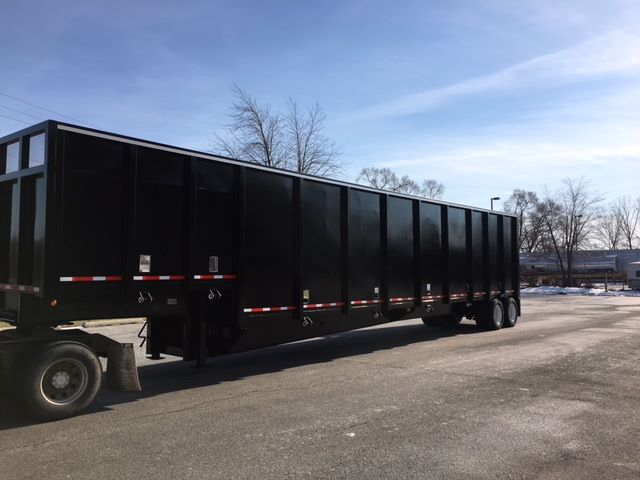
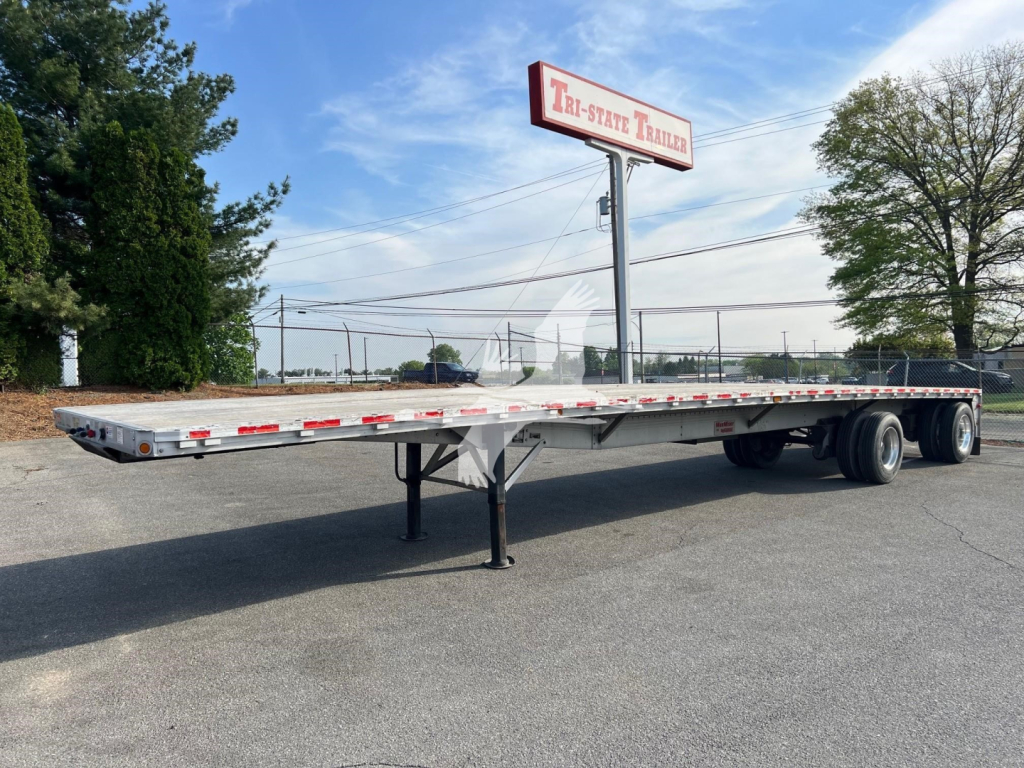
The 2002 model year covers a wide range of trailer types, so application should drive the shortlist. Dry vans from this era are commonly 48-foot or 53-foot units with swing or roll-up doors, wood floors, and tandem axles, often used for general freight, retail, and dock-to-dock work. Reefer trailers from the same period can still serve in regional or storage roles, but buyers need to evaluate the refrigeration unit hours, evaporator condition, duct floor health, and the availability of parts for older Thermo King or Carrier systems. Flatbeds, drop decks, and extendables from 2002 are often attractive to buyers hauling steel, lumber, machinery, pipe, or oversized freight, especially when trailer tare weight and deck length are more important than cosmetic appearance.
Suspension and running gear deserve extra attention on older used trailers. Air ride remains popular for freight protection and ride quality, while spring ride can be simpler and less expensive to maintain. Check axle alignment, brake type, bushing wear, wheel-end service history, and tire size consistency across positions. A 2002 trailer may also have older lighting, ABS components, and brake plumbing that need updating to meet current fleet standards. Sliding tandems, tire inflation systems, lift axles, and aerodynamic equipment can add value if they work properly, but these features should be inspected as service items, not assumed advantages.
For many buyers, a used 2002 trailer makes the most sense as a cost-controlled addition for local lanes, seasonal demand, dedicated customer freight, storage use, or vocational hauling. The key is matching trailer age to revenue expectations and maintenance tolerance. A well-kept 2002 trailer with documented repairs, a straight chassis, legal brake and tire condition, and the right body configuration can still deliver useful service. Buyers comparing listings should focus less on age alone and more on trailer type, prior application, structural condition, and how easily the unit can be kept compliant and productive.
Frequently Asked Questions about Used 2002 Trailers
What should I inspect first on a used 2002 trailer?
Start with the structural components because age-related fatigue is usually more important than paint or cosmetic appearance. Inspect the main rails, crossmembers, suspension mounts, landing gear supports, tandem slide, kingpin area, and rear impact guard. On enclosed trailers, also check the roof, floor, sidewalls, and door frame for leaks, rot, corrosion, or forklift damage. A solid structure is the foundation of any older trailer purchase.
Is a 2002 reefer trailer still worth buying?
A 2002 reefer trailer can still have value, but the refrigeration system needs close scrutiny. Unit hours, service records, pull-down performance, fuel system condition, insulation integrity, and floor condition all affect value. Many buyers use older reefers for shorter regional lanes, backup capacity, or cold storage rather than high-demand over-the-road food service. Parts support and repair cost should be considered before purchase.
Are 2002 flatbed trailers a good option for heavy haul or construction work?
They can be, especially if the trailer has a straight frame, sound deck, and a rating that matches the intended load profile. Older flatbeds and extendables are often still productive in steel, lumber, pipe, machinery, and jobsite support applications. The inspection should focus on beam integrity, concentrated repair areas, extension mechanism condition, floor wear, and securement equipment such as winch tracks, chain ties, and stake pockets.
What common maintenance issues show up on older used trailers from 2002?
Common issues include worn suspension bushings, aging brake components, ABS faults, corroded wiring, roof leaks, floor deterioration, tandem slide problems, wheel-end service needs, and rust around high-stress attachment points. On vans and reefers, rear frame and threshold wear are common from repeated dock use and forklift traffic. On open-deck trailers, deck replacement and side rail repairs are typical cost items.
How do I know if a used 2002 trailer is priced fairly?
Fair pricing depends on trailer type, structural condition, running gear, legal readiness, and how much immediate reconditioning is needed. A lower purchase price can be offset quickly by tires, brakes, floor work, reefer repairs, or suspension service. Compare listings by body type, axle setup, length, suspension, and repair history, then estimate near-term maintenance before deciding which trailer offers the best total value.