
Used 1998 Trailers For Sale in Texas
Browse used 1998 trailers for sale in Texas, including reefer, van, and specialty trailers with specs that matter for fleet and owner-operator buyers.
Learn more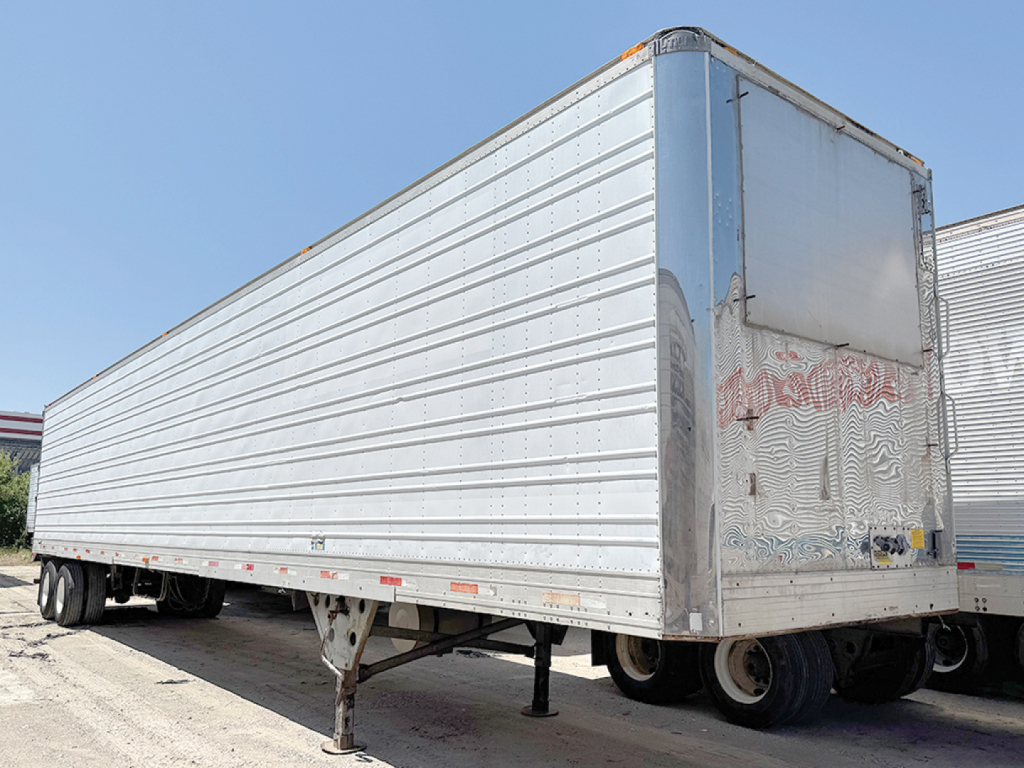

Have used 1998 trailer to sell? List it here to reach thousands of buyers.
About Used 1998 Trailers in Texas
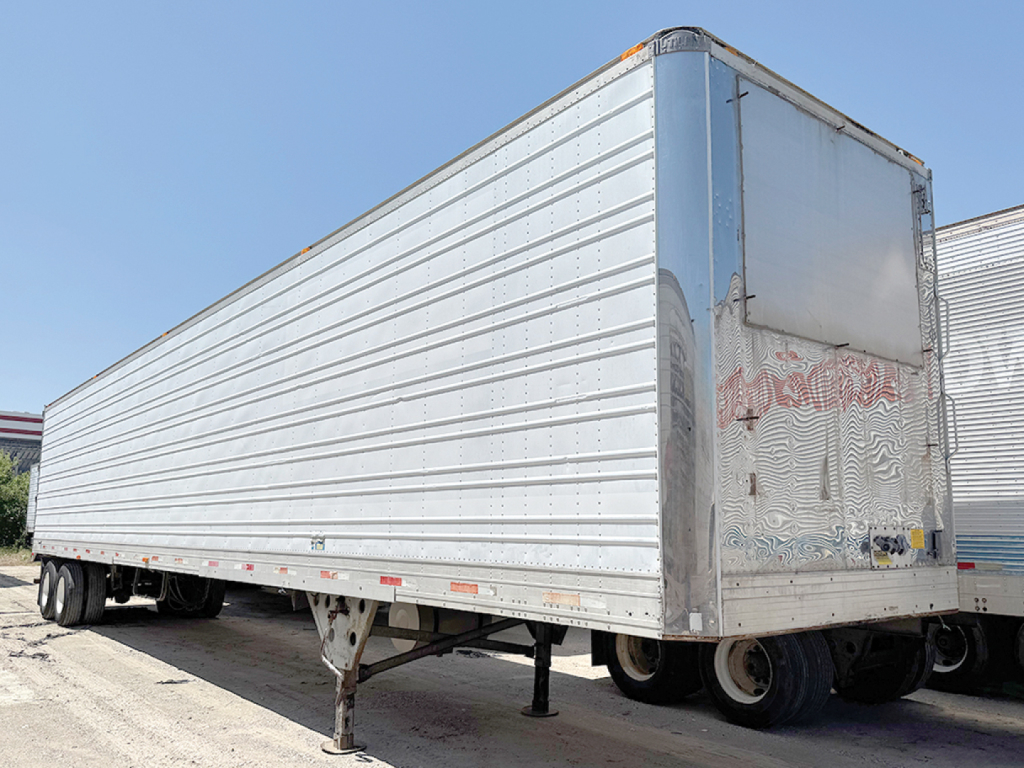
For van and reefer trailers, key checkpoints include scuff liners or scuff plate condition, threshold plate wear, logistics posts or E-track layout, floor type, and rear door setup. Many 1998 trailers were built with swing doors or roll-up doors, spring suspension was still common, and sliding tandems remain important for bridge law compliance and dock positioning. If the trailer is a reefer, confirm whether it is being sold with a refrigeration unit, without a unit, or with a non-working unit. A 1998 reefer trailer that is "less unit" may still have value for cold storage, local haul conversions, or dry freight use if the insulated body and door seals are in decent condition.
Texas buyers should also evaluate how and where the trailer will run. Long highway miles between Dallas-Fort Worth, Houston, San Antonio, and the border put a premium on dependable brakes, tires, wheel ends, lights, and air systems. Trailer height is commonly 13 feet 6 inches and width is typically 102 inches, but buyers should still verify dimensions, especially on older equipment that may have been modified. Check kingpin wear, tandem slider rails, crossmembers, landing gear operation, and VIN or title status before committing. On older trailers, it is smart to inspect for patched roofs, rail damage from forklifts, floor soft spots, and stress cracking around suspension hangers.
Used 1998 trailers are usually best suited for cost-conscious fleets, farm and ranch operations, warehouse shuttle work, storage applications, export, and lanes where absolute late-model appearance is not the priority. The right unit can still deliver strong value if the structure is straight and the running gear is serviceable. Buyers comparing older trailers should think in terms of total put-in-service cost, including tires, brakes, lights, door repairs, flooring, and any reefer or ABS work needed to meet their operating standard.
Frequently Asked Questions
What should I inspect first on a used 1998 trailer?
Start with the structural items that are expensive to correct. Inspect the main rails, crossmembers, suspension hangers, roof, floor, rear frame, and kingpin area for cracks, corrosion, bad repairs, or collision damage. After that, check the sliding tandem function, landing gear, brakes, tires, wheel seals, lights, air leaks, and door hardware. On a trailer from 1998, structural condition usually matters more than appearance.
Is a 1998 reefer trailer still worth buying?
It can be, but the answer depends on whether the trailer includes a working refrigeration unit and what the intended use is. A 1998 reefer with a functional unit may fit short-haul or backup service if the box is insulated properly and the doors seal well. A reefer sold without a unit can still be useful for storage, non-temp-sensitive freight, or conversion work. Buyers should inspect the front wall, evaporator area, floor, drains, and insulation-related damage before making a decision.
Are spring suspension trailers from 1998 still practical in Texas service?
Yes, for the right job. Spring ride trailers are common on older equipment and can still work well in local, regional, agricultural, or lower-mileage applications. They are generally simpler and can be less expensive to maintain than air ride, but ride quality and cargo protection may not match newer air ride trailers. If the freight is sensitive or the trailer will run harder over long distances, suspension condition and operating profile become more important.
What dimensions are common on used 1998 trailers?
Many used 1998 highway trailers are 53 feet long, 102 inches wide, and 13 feet 6 inches high, especially in van and reefer categories. That said, older trailers can vary by body style, axle placement, and prior modifications. Buyers should verify overall length, inside dimensions, door opening height, tandem spread, and kingpin setting to make sure the trailer fits their freight, docks, and state compliance requirements.
Why do buyers still shop for 1998 trailers instead of newer models?
The main reason is acquisition cost. A 1998 trailer can make sense when the buyer needs a lower-cost platform for storage, seasonal freight, yard use, agricultural hauling, or limited-road service. Older trailers also appeal to operators who can handle repairs in-house and want to control capital expense. The best purchases in this age range are usually the trailers with straight structure, usable floors, legal running gear, and no major title or VIN issues.