
Used 1986 Trailers For Sale
Browse used 1986 trailers for sale, including van, flatbed, reefer, tanker, and drop deck models with specs that matter to fleet buyers.
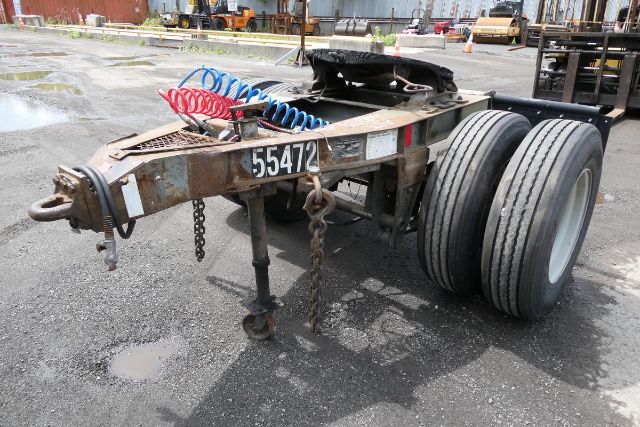
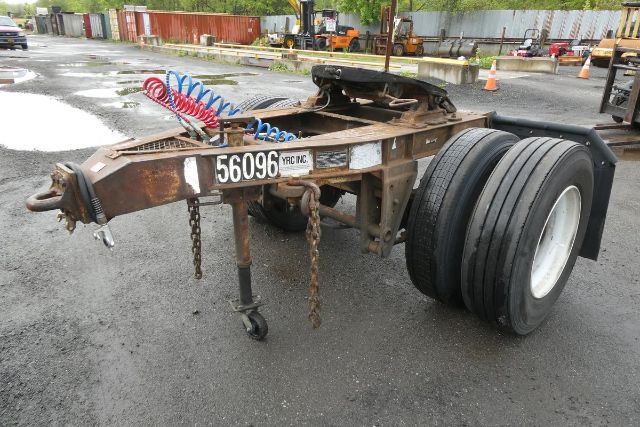
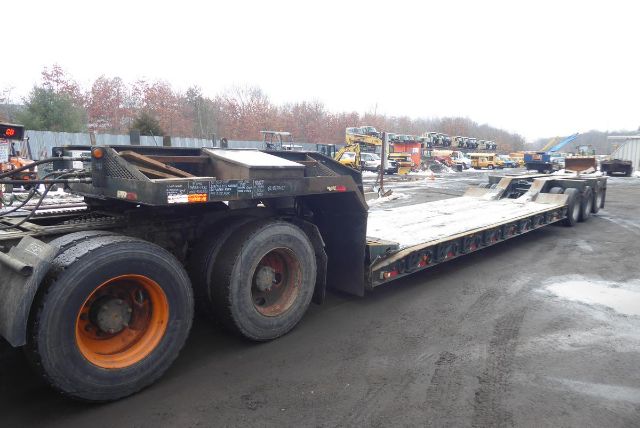
Have used 1986 trailer to sell? List it here to reach thousands of buyers.
Used 1986 Trailers
For van and reefer trailers, pay close attention to crossmembers, floor condition, rear frame area, door seals, roof bows, and signs of prior patching. Older vans may have steel or aluminum-steel composite construction, spring ride or air ride suspensions, and tandem slide setups depending on how they were spec'd. On reefers from this era, the trailer body may outlast the refrigeration unit, so buyers often evaluate insulation integrity, duct floor condition, scuff liners, and whether the reefer mount structure has been reinforced or repaired. If the unit is being used for storage or short regional work, an older box trailer may still pencil out well even if it is not ideal for high-cycle dock operations.
For flatbeds, drop decks, and other open-deck trailers, the key buying points are deck length, kingpin setting, axle spread, suspension type, and the condition of the main beams, crossmembers, and apitong or wood floor. Many older open-deck trailers remain useful in agriculture, construction, steel, machinery, and short-haul commodity work because they are straightforward to maintain. Look for wear around tie-down points, winch tracks, coil package areas, landing gear mounts, and rear impact protection. On tank trailers, especially crude oil or chemical-style configurations, inspection history, barrel condition, compartment layout, valves, and current compliance status matter more than the model year alone.
A used 1986 trailer is best purchased with a clear plan for its job, repair budget, and registration requirements. Some buyers want an inexpensive yard trailer or seasonal backup unit. Others are comfortable updating lights, brakes, tires, bushings, and air system components to put an older trailer back into revenue service. The best value usually comes from matching the trailer's structure and spec to the freight, then confirming that the axles, suspension, brakes, coupler area, and floor system are still serviceable. Age by itself does not define usefulness, but on a 1986 trailer, inspection discipline matters more than ever.
Frequently Asked Questions about Used 1986 Trailers
What should I inspect first on a used 1986 trailer?
Start with the frame, crossmembers, suspension, axle alignment, brake system, tires, wheels, and coupler or kingpin area. On a trailer from 1986, structural condition matters more than appearance. Look closely for cracked welds, heavy corrosion, patched sections, sagging floors, and signs of repeated overload. A good inspection will also include lights, air lines, slack adjusters, bushings, landing gear, and any evidence that the trailer has been sitting for a long period.
Can a 1986 trailer still be put back into regular service?
Yes, but the answer depends on trailer type, condition, and intended use. Some older trailers are still well suited for storage, farm use, yard spotting, and short regional hauls. Others can return to regular service after repairs to brakes, suspension, wiring, tires, floors, or doors. The key is to compare the cost of reconditioning against the trailer's purchase price and the freight it will handle. Older units can be economical if the structure is sound and parts remain available.
Are parts still available for 1986 trailers?
Many common service parts are still available because brake components, wheel-end parts, suspension pieces, lights, air valves, and landing gear are often standard industry items rather than year-specific parts. The challenge is usually with proprietary body panels, older reefer components, obsolete door hardware, or specialty tanker equipment. Buyers should identify axle, suspension, brake, and body component brands before purchase so they can confirm parts support and replacement cost.
Is a used 1986 trailer better suited for highway use or yard use?
That depends on the trailer's condition and compliance status. A structurally sound 1986 trailer with serviceable brakes, tires, suspension, lights, and legal dimensions may still work on the road in the right application. Units with age-related wear, outdated components, or body damage are often better suited for yard storage, plant service, or seasonal backup duty. The intended role should drive the buying decision, because an inexpensive trailer can become costly if it needs extensive work to meet operational demands.