
Trailers For Sale Near Tunica, Mississippi
Have trailer to sell? List it here to reach thousands of buyers.
Trailers Near Tunica, Mississippi
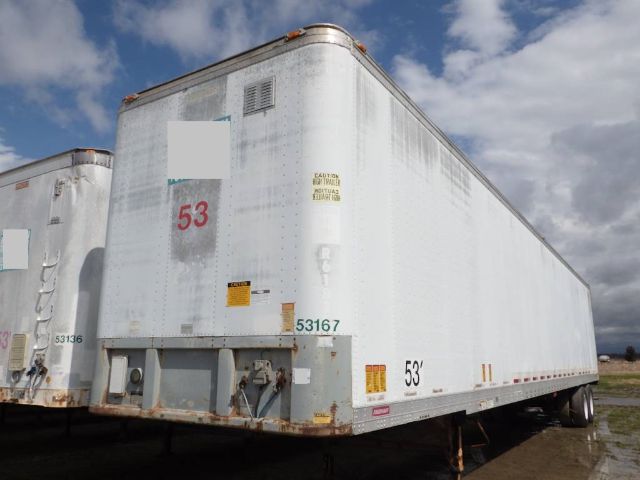
For dry van buyers, the main decisions usually come down to wall construction, interior lining, floor condition, suspension type, and logistics setup. Aluminum and composite-panel designs such as DuraPlate-style construction are common because they balance tare weight and durability. A wood floor remains standard in many van trailers, but full plywood lining, scuff liners, and logistics posts or E-track can make a major difference if the trailer will handle mixed freight or frequent dock loading. Swing doors are still preferred in many fleets for full-width access, while side skirts can improve fuel economy on highway routes. Sliding tandems matter for bridge law compliance and for adjusting axle weights across different states and customer docks.
Reefer buyers need to look beyond the box and pay close attention to the refrigeration system, floor style, and air management features. Common units from Carrier and Thermo King dominate the market, and service history matters as much as brand. Heavy duty duct floors, aluminum floors, cold chutes, stainless rear frames, and insulated doors all affect temperature recovery and cargo protection. Inside height is important if you haul high-cube palletized freight, and scuff plates help protect interior walls from repeated forklift contact. Tire inflation systems, air ride suspension, and low-profile or super single tire setups may also be present depending on the trailer’s prior fleet spec.
In the Tunica market, buyers should pay attention to regional operating conditions such as heat, humidity, and long interstate runs across the Mid-South. Corrosion resistance, door seal condition, roof integrity, and suspension wear are all worth checking closely on used trailers. On any van or reefer, inspect the crossmembers, floor fasteners, rear frame, tandem slide rails, kingpin area, and DOT-light wiring before purchase. A good trailer spec is not just about age or brand. It is about matching interior configuration, running gear, and structural condition to the freight, lanes, and maintenance program you plan to run.
Frequently Asked Questions about Trailers Near Tunica, Mississippi
What is the difference between a dry van trailer and a reefer trailer?
A dry van trailer is an enclosed trailer built for general freight that does not require temperature control. A reefer trailer is insulated and equipped with a refrigeration unit to maintain a set cargo temperature. Reefers cost more to buy and maintain, but they open the door to food-grade, frozen, and temperature-sensitive freight. The right choice depends on the commodities you haul, your customer base, and whether you can support reefer unit service and fuel requirements.
What trailer size is most common for over-the-road freight?
The most common over-the-road trailer size is 53 feet long, 102 inches wide, and 13 feet 6 inches high. That configuration is standard for many dry van and reefer operations because it maximizes cube while remaining legal on most major highway routes. Buyers should still verify interior height, tandem settings, and axle placement because those details affect loading patterns, dock compatibility, and bridge law compliance.
What should I inspect first on a used trailer?
Start with the structural areas that are expensive to repair and critical for safe operation. That includes the frame rails, crossmembers, kingpin plate, tandem slide assembly, suspension, rear frame, doors, roof, and floor. On a reefer, also inspect the refrigeration unit hours, service records, evaporator condition, chute, and floor airflow channels. Cosmetic wear is common on used trailers, but structural fatigue, water intrusion, and poor reefer performance are much more serious concerns.
Are air ride and spring suspension both common on trailers?
Yes. Both air ride and spring suspension are common, and each has a place depending on the application. Air ride is generally preferred for ride quality, cargo protection, and premium freight, especially in reefer and high-value dry van service. Spring suspension is simpler and can be less expensive to maintain, but it typically delivers a harsher ride. Buyers should also consider bushing wear, axle alignment, and brake condition along with the suspension type itself.
Why do sliding tandems matter on a van or reefer trailer?
Sliding tandems allow the axle group to move forward or rearward to help meet bridge laws, improve weight distribution, and fit different dock and yard requirements. That flexibility is important for fleets running across multiple states or hauling a variety of freight weights. A trailer with a worn or damaged tandem slider can create daily operating problems, so buyers should inspect the rail, pins, locking mechanism, and signs of excessive wear before committing.