
Trailers For Sale Near Tulsa, Oklahoma
Have trailer to sell? List it here to reach thousands of buyers.
Trailers Near Tulsa, Oklahoma
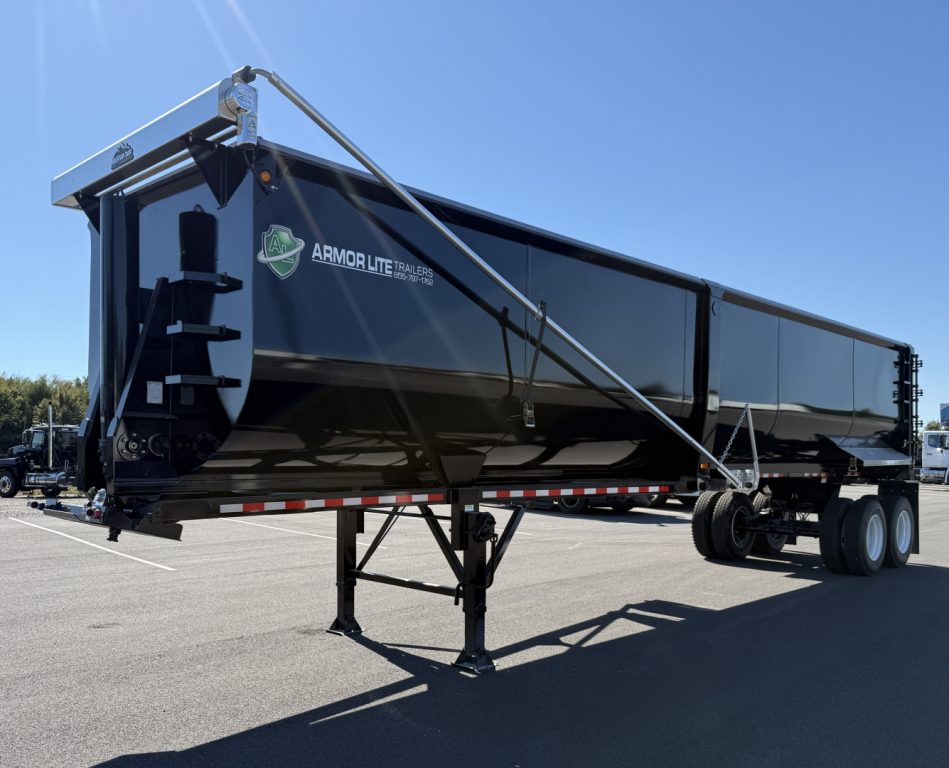
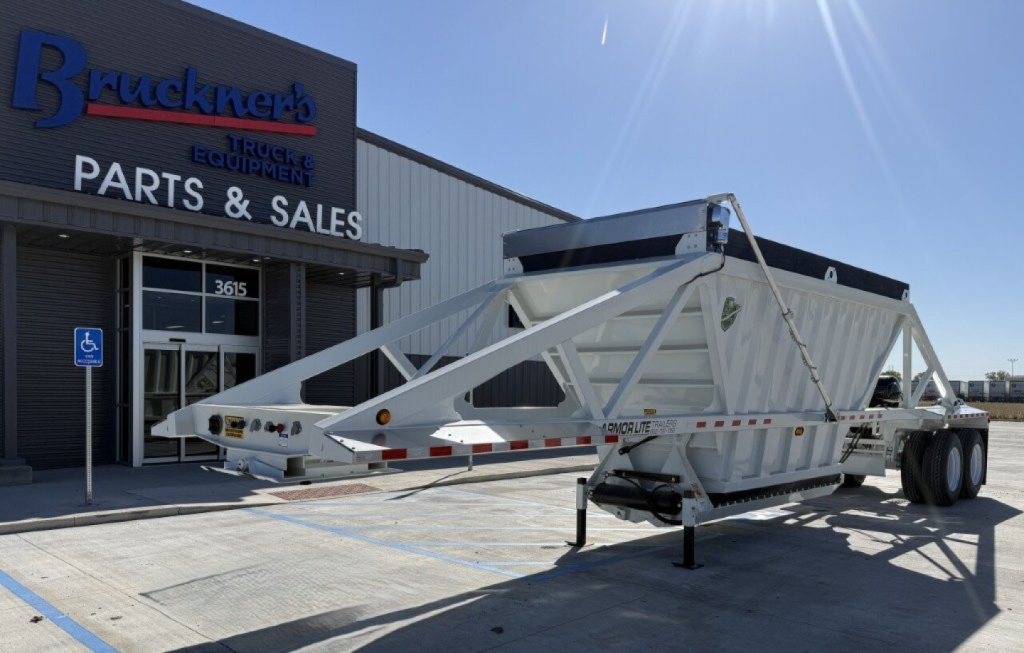
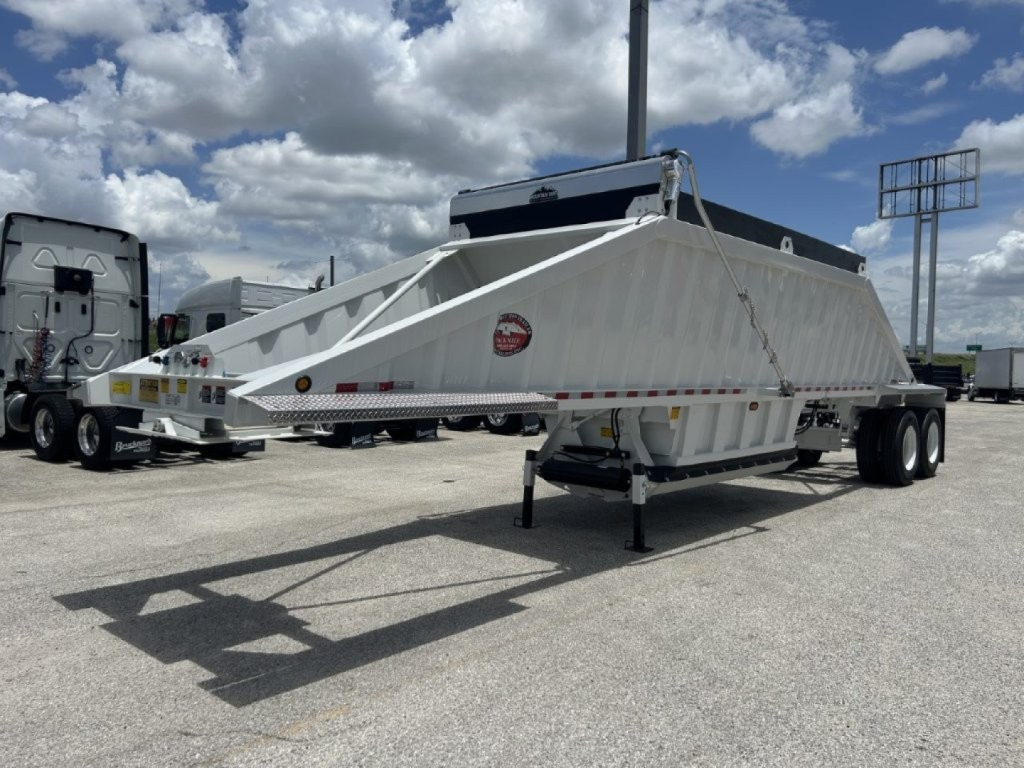
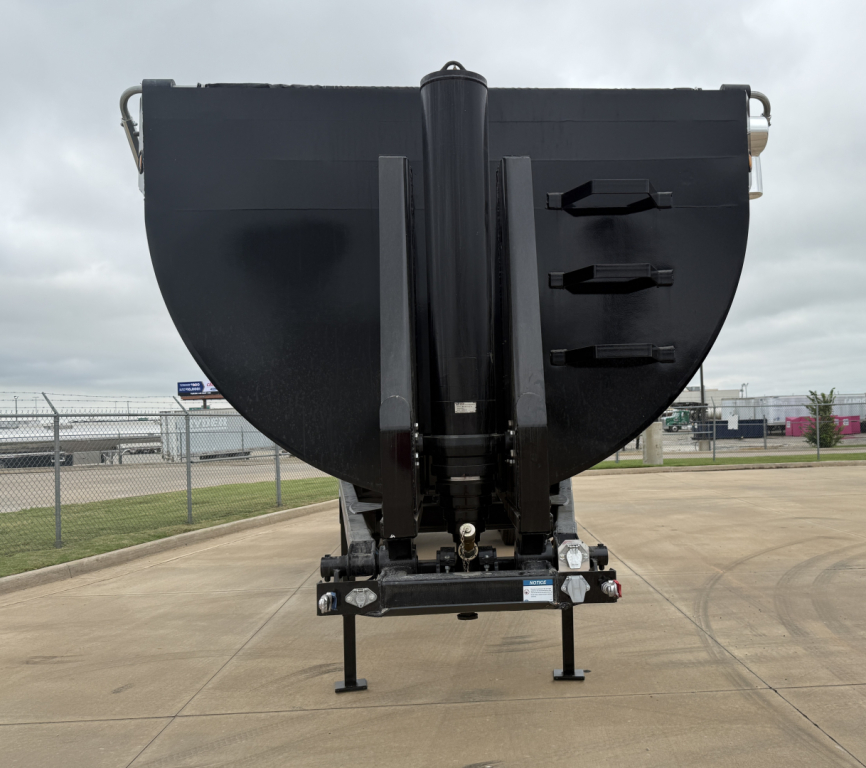
Dump trailers are typically evaluated by body material, tub design, suspension, cubic yard capacity, and hoist-related features. Steel dumps remain common for severe service because they handle abrasive loads well, especially when built with Hardox or similar wear-resistant liners, high-lift gates, self-shedding top rails, and chip-resistant tire packages. Tandem axle configurations are standard in many applications, with spring ride or single-point suspension chosen based on maintenance preference and operating environment. Buyers should look closely at tub length, side height, slope sheets, tarp systems, gate controls, air tank capacity, and push block setup, since those details affect cycle time and unloading efficiency every day.
Flatbed trailers, also known as open deck trailers, are often judged on deck construction, crossmember spacing, securement setup, and axle positioning. A 48-foot by 102-inch combo flatbed is a common spec because it keeps empty weight down while still offering good strength for general freight. Features like sliding tandems, air ride suspension, coil packages, bulkheads, sliding winches, forklift kits, and integrated toolboxes matter more than many first-time buyers expect. If the trailer will carry steel coils, pipe, building products, or a piggyback forklift, confirm the crossmember spacing, concentrated load rating, forklift counterweight provisions, and overall deck condition or design before comparing prices.
Across trailer types, the best buying decision usually comes from matching trailer specs to the freight, not chasing the lightest tare weight or the lowest upfront cost. Check axle count, brake type, suspension, wheel and tire size, kingpin setting, frame construction, and compatibility with your normal routes and loading equipment. For Tulsa-area operations, that often means choosing a trailer that can handle a mix of interstate miles, rough access roads, and frequent loading cycles without creating unnecessary maintenance downtime.
Frequently Asked Questions about Trailers Near Tulsa, Oklahoma
What type of trailer is best for construction and aggregate hauling?
A dump trailer is usually the better fit for construction material, rock, sand, millings, demolition debris, and similar bulk loads. Buyers should focus on body composition, cubic yard capacity, gate design, suspension, and liner or tub thickness. Steel dump trailers are preferred for abrasive or impact-heavy work because they generally hold up better than lighter bodies in severe service applications.
What should I look for when buying a flatbed trailer?
The main considerations are deck length and width, axle configuration, suspension type, crossmember spacing, and cargo securement equipment. Sliding winches, stake pockets, rub rails, coil packages, and bulkheads all affect how versatile the trailer will be. If the trailer will haul dense freight or support a piggyback forklift, concentrated load ratings and deck structure should be reviewed carefully.
Is air ride or spring ride better on a trailer?
Air ride is commonly chosen for freight that benefits from better ride quality, easier dock height control, and reduced shock transfer to the load. Spring ride is simpler and often favored in hard-use applications where durability and lower system complexity matter more than ride refinement. On dump trailers, single-point suspension is also common because it offers a durable setup for rough service and repeated loading cycles.
Why does axle setup matter on a trailer?
Axle setup affects payload distribution, bridge compliance, turning characteristics, tire wear, and how the trailer fits your hauling pattern. Tandem axles are common because they provide a practical balance of capacity and maneuverability. Sliding tandems are especially useful on flatbeds because they help adjust weight distribution for different cargo lengths and shipping requirements.
What trailer specs matter most for Oklahoma hauling conditions?
For Oklahoma operations, buyers usually prioritize durable suspension components, brake reliability, tire spec, and frame or body construction that can handle both highway use and rough jobsite access. Tarp systems, fenders, corrosion resistance, and easy-to-service components also matter because weather, dust, and uneven surfaces can increase wear. The best trailer for the region is one matched closely to the material being hauled and the loading environment it sees every week.