
Troxell Trailers For Sale
No exact matches found for your search
Showing Trailers instead.
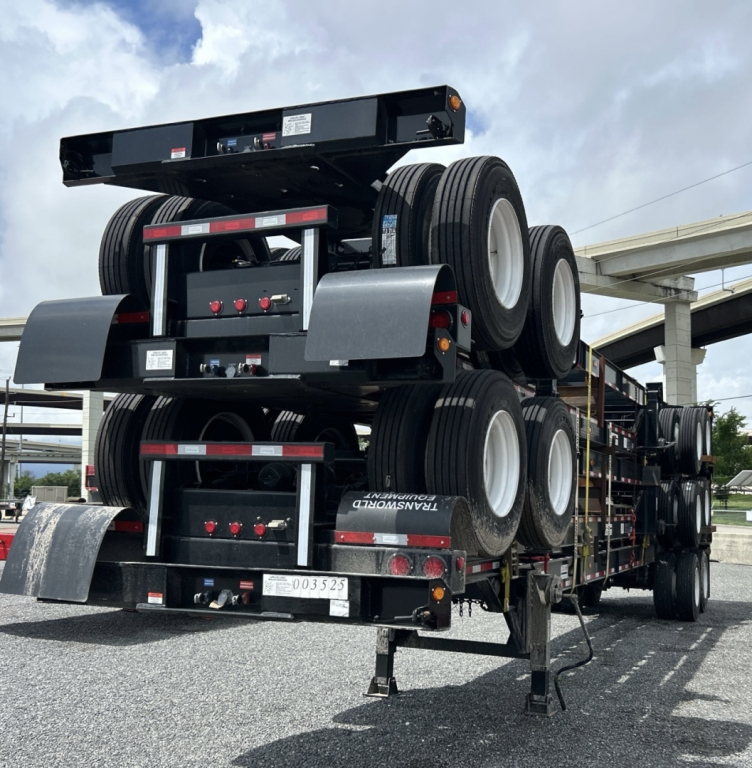
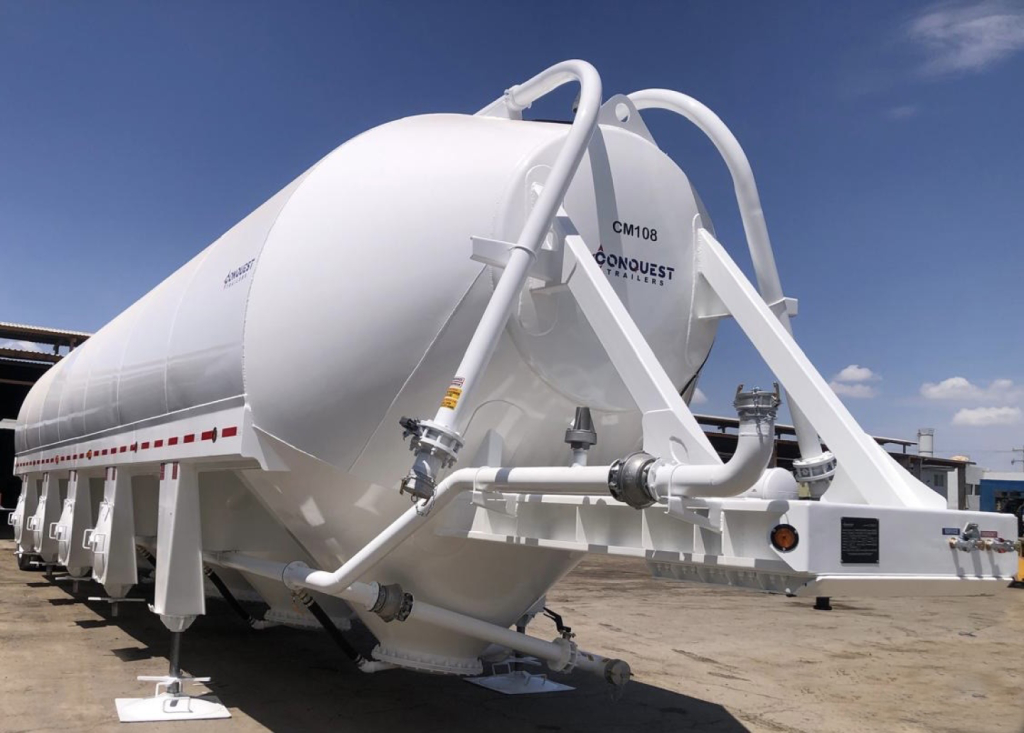
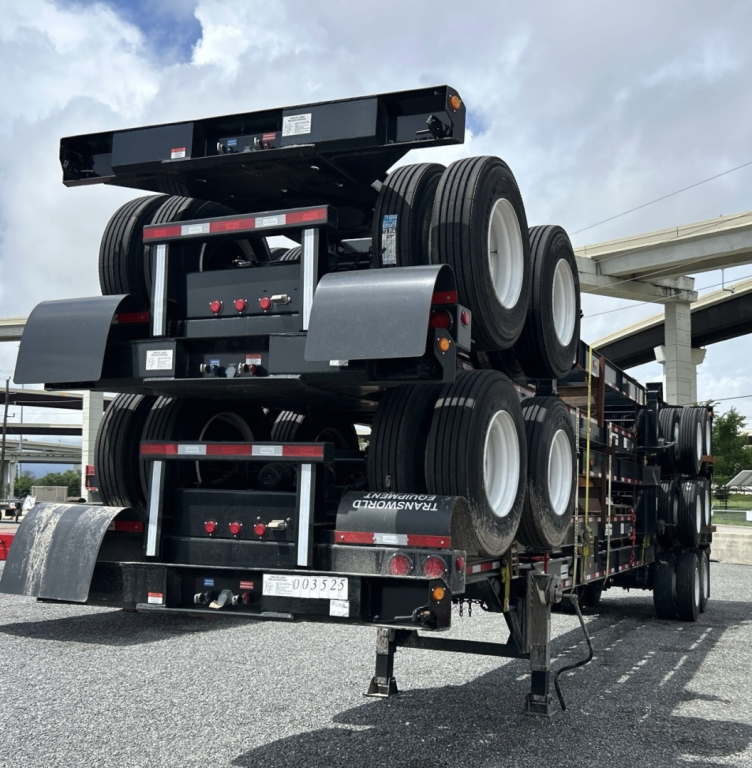
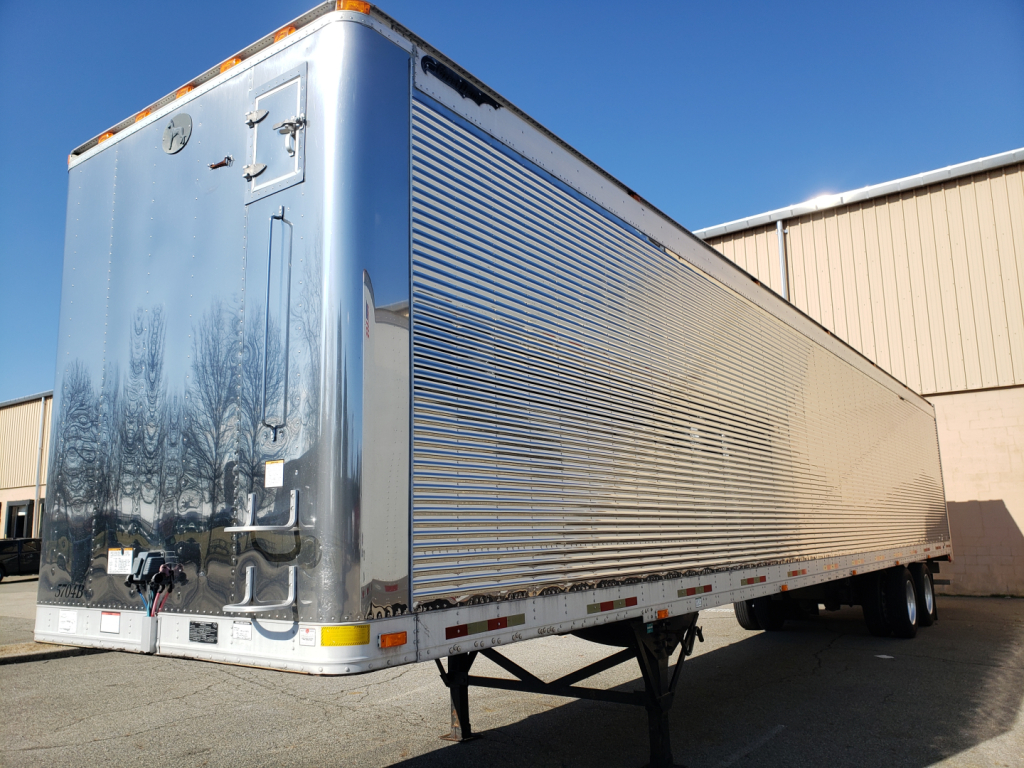
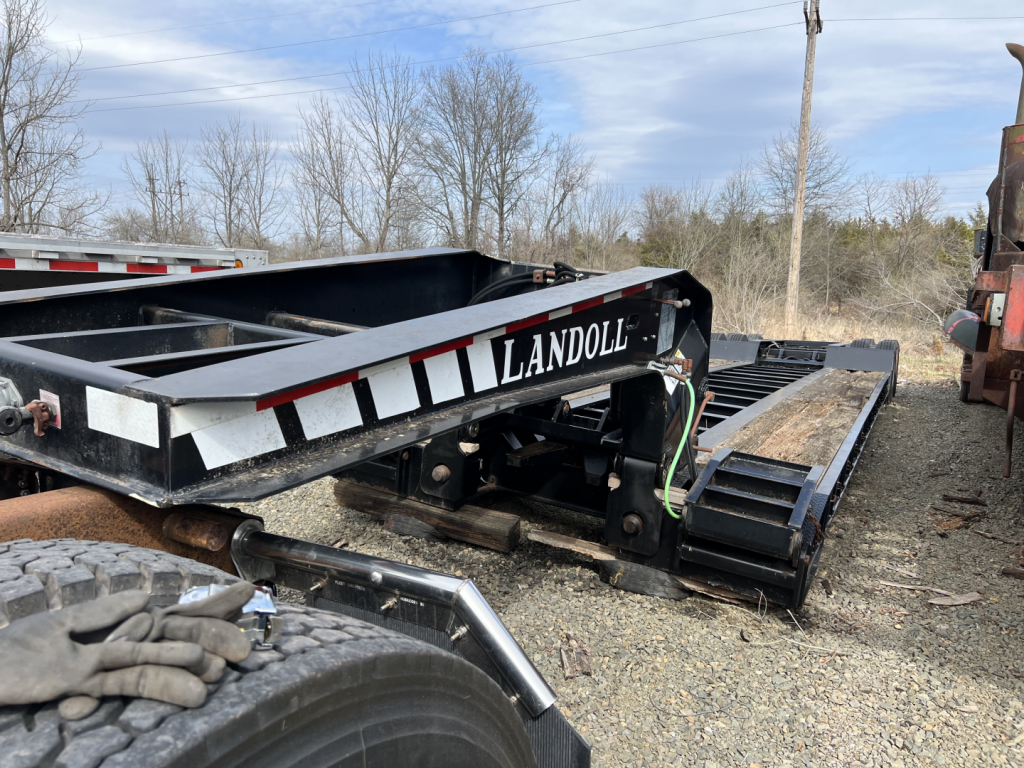
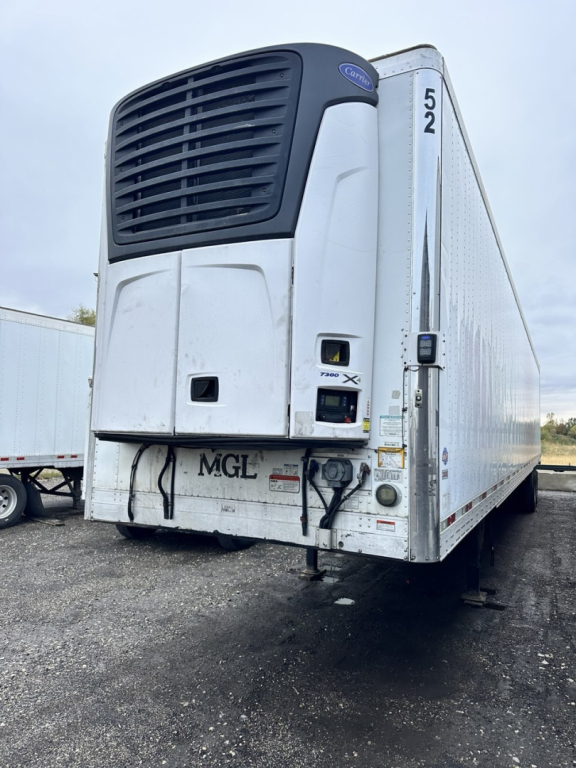
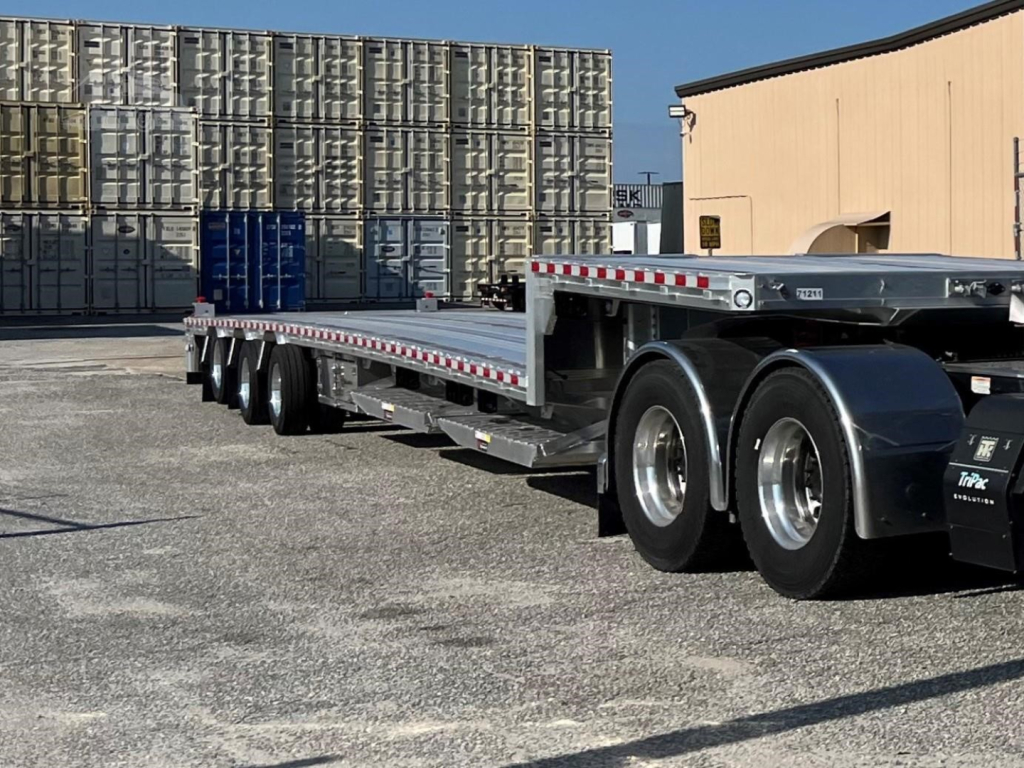
Showing 1 to 12 of 2,249 results
Have troxell trailer to sell? List it here to reach thousands of buyers.
Troxell Trailers
On vacuum trailer applications, capacity is often stated in barrels, with larger units such as 130 BBL models aimed at high-volume water, brine, drilling fluid, and production service work. One of the first specification checks is whether the tank is coded or non-code. That decision matters for regulatory compliance, commodity type, and jobsite use. Buyers should also pay attention to interior lining, exterior finish, and corrosion resistance, especially if the trailer will handle saltwater, drilling byproducts, or other aggressive liquids. Details like hose storage, valve layout, pump compatibility, rear head design, and sight glass placement can make a real difference in day-to-day serviceability.
Suspension and tire package matter more than many buyers expect on this class of trailer. Spring suspension remains common because it is simple, durable, and easy to maintain in rough oilfield conditions, while axle rating, tire size, and wheel material should match the expected payload and route conditions. Full walkways and secure access points are important for operators who need frequent top-side inspection or loading access. On older and used units, inspect tank shell condition, lining integrity, frame rails, crossmembers, suspension wear points, brake components, and any evidence of repairs around high-stress areas.
Troxell trailers appeal to buyers who want a straightforward, work-oriented trailer built for demanding service rather than cosmetic extras. If the trailer will spend its life on lease roads, disposal runs, and field service routes, practical specifications usually matter more than appearance. The right Troxell trailer is the one that matches the liquid being hauled, the legal requirements of the job, the vacuum system setup, and the maintenance expectations of the fleet.
Frequently Asked Questions about Troxell Trailers
What are Troxell trailers commonly used for?
Troxell trailers are commonly used in oilfield and industrial liquid service, especially as vacuum tank trailers for hauling water, brine, drilling fluids, production fluids, and certain waste streams. Their typical application is field work where durability, simple maintenance, and usable tank capacity matter more than specialized over-the-road features.
What does a 130 BBL vacuum trailer mean?
A 130 BBL vacuum trailer refers to a tank trailer with a nominal capacity of 130 barrels. In oilfield service, barrel capacity is a standard way to size liquid hauling equipment. Buyers should confirm actual usable capacity, axle ratings, tare weight, and local bridge-law implications because capacity alone does not determine legal payload.
Why is code versus non-code important on a vacuum tank trailer?
Code versus non-code is important because it affects what commodities the trailer can haul and where it can legally operate. A coded tank is built to an applicable pressure vessel or transport standard, while a non-code tank is generally intended for service that does not require that certification. Buyers should verify the trailer specification against the intended product and operating jurisdiction before purchase.
What should I inspect on a used Troxell vacuum trailer?
Inspect the tank shell, heads, welds, frame, suspension, brakes, hubs, tires, and lining condition first. Also check the sight glass, valves, piping, hose connections, walkway structure, and any vacuum-related plumbing or mounting points. Corrosion, poor repairs, thin metal, and neglected brake or suspension wear can turn an inexpensive trailer into a costly one very quickly.
Is spring suspension a good choice for a vacuum trailer?
Spring suspension is a common and practical choice for vacuum trailers working in oilfield service. It is relatively simple, durable, and easier to repair than more complex suspension systems, which can be an advantage on rough roads and in hard daily use. The tradeoff is ride quality, but many buyers prioritize reliability and straightforward maintenance over added complexity.