
Traveling Axle Trailers For Sale in New Mexico
Compare traveling axle trailers for heavy equipment hauling in New Mexico. Learn deck layout, axle travel, tail options, payload, and setup basics.
Learn moreNo exact matches found for your search
Showing Traveling Axle Trailers instead.
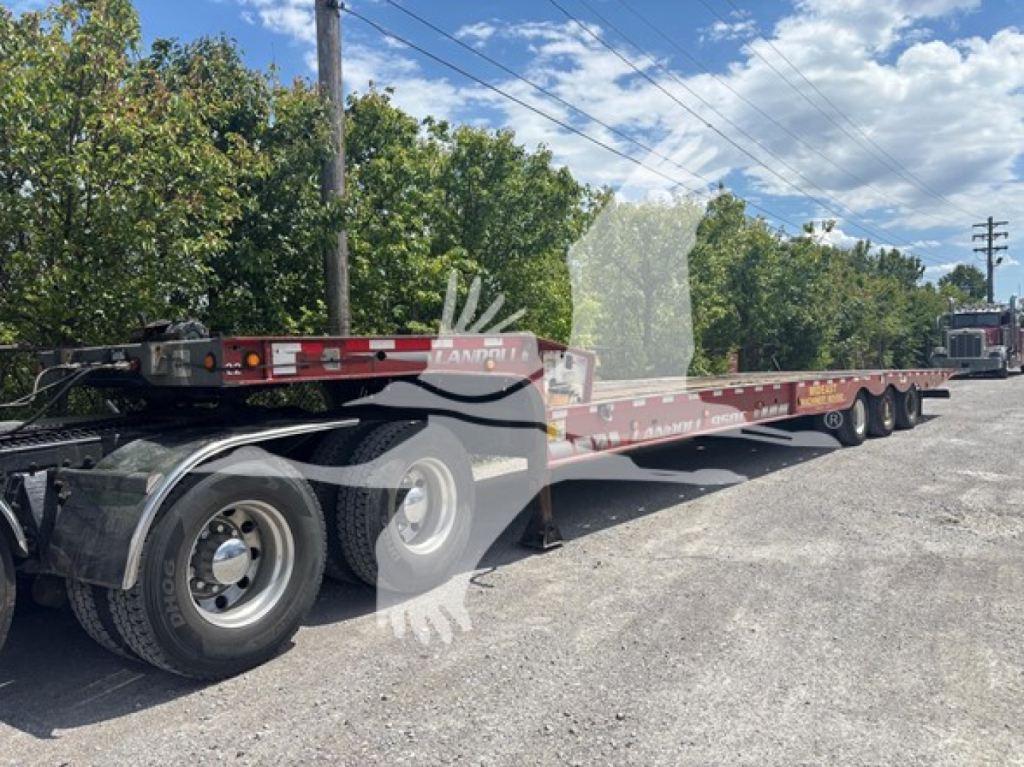
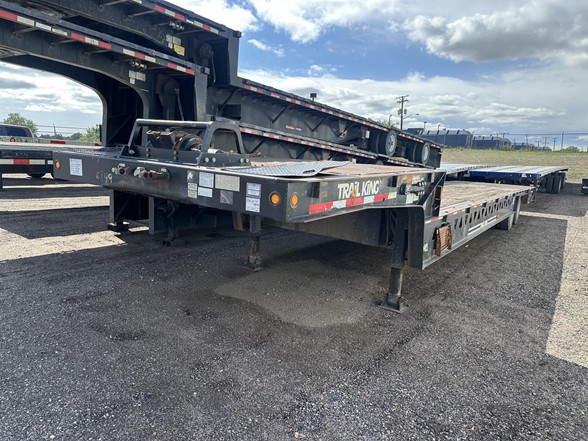
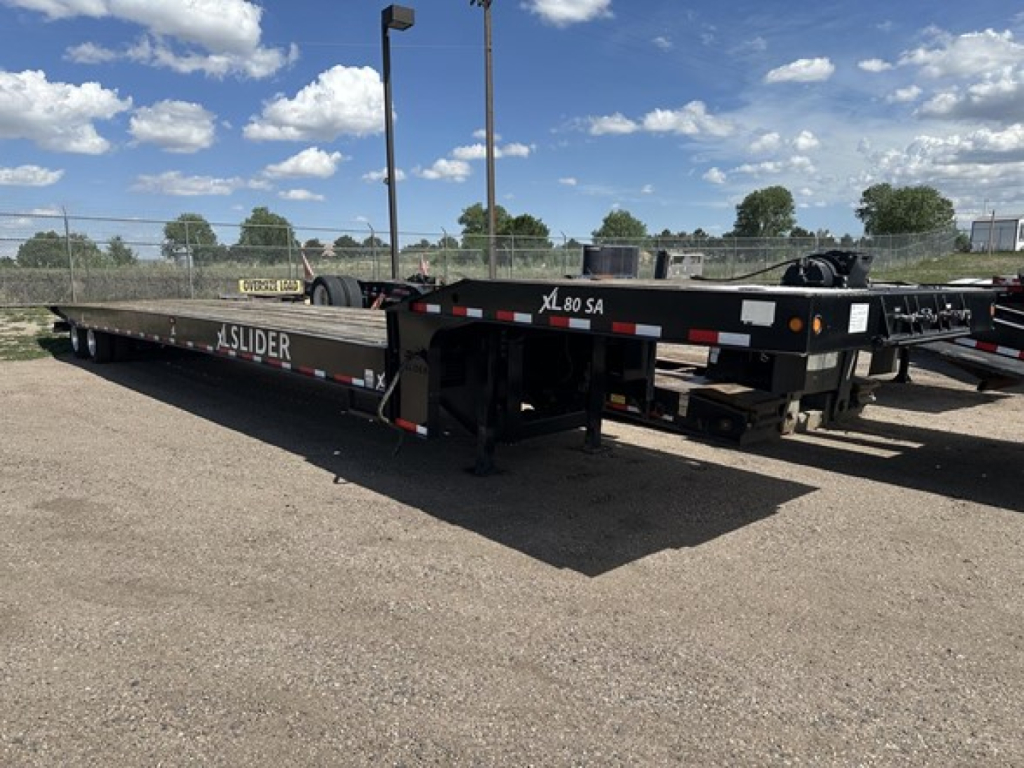
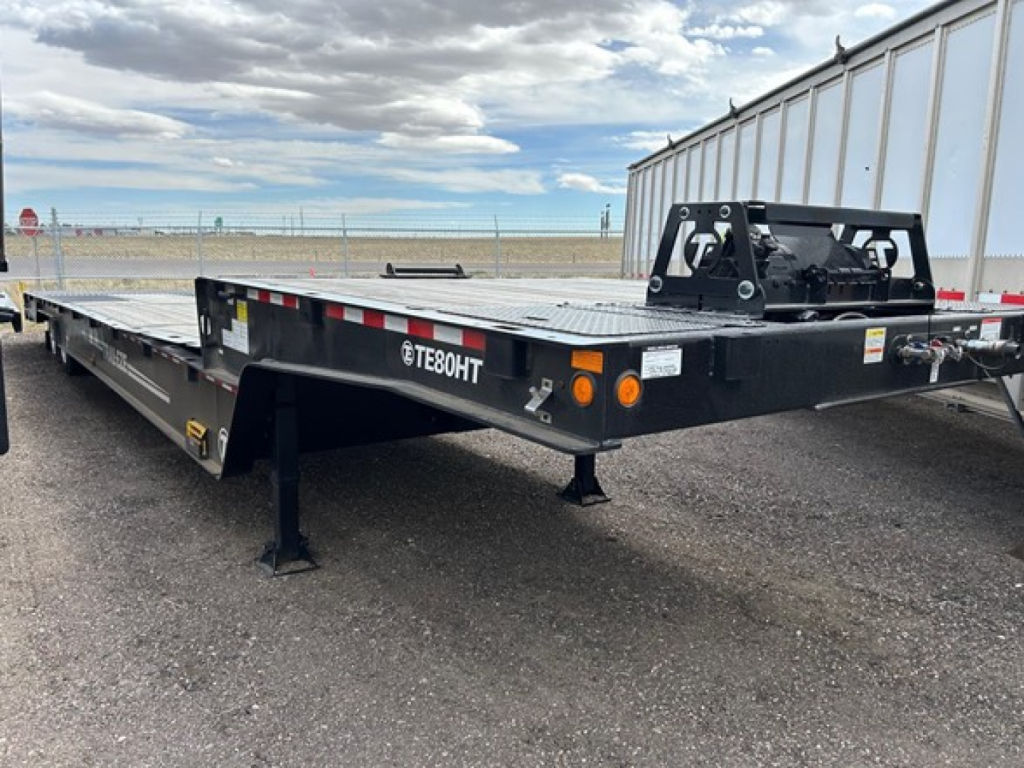
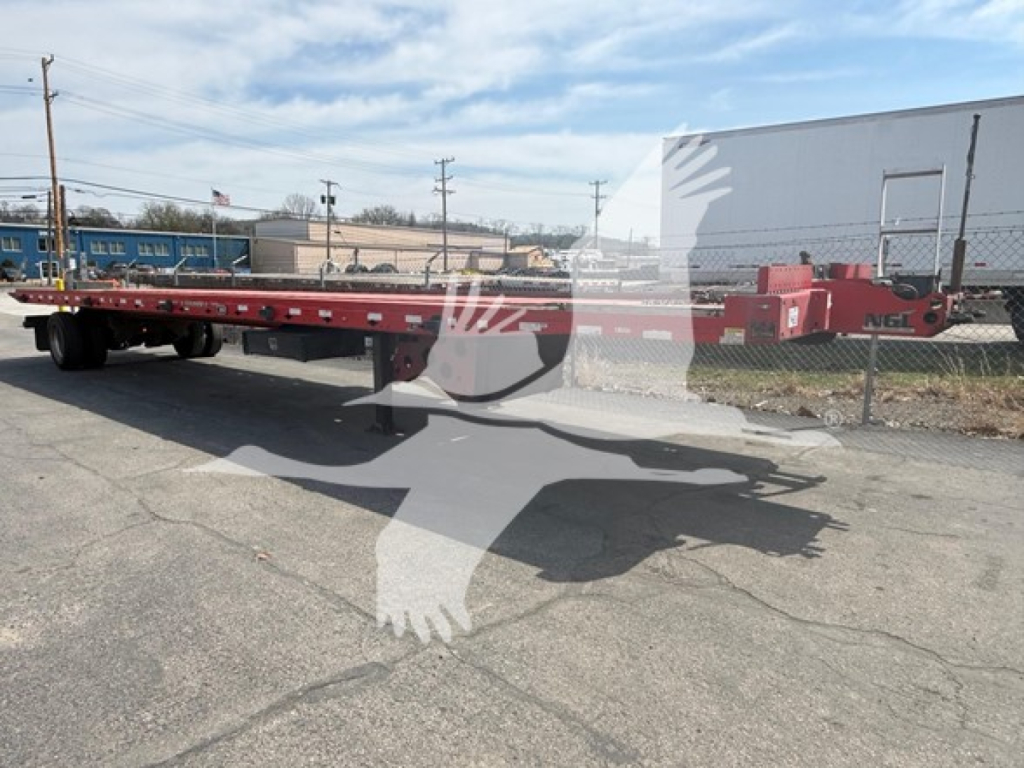
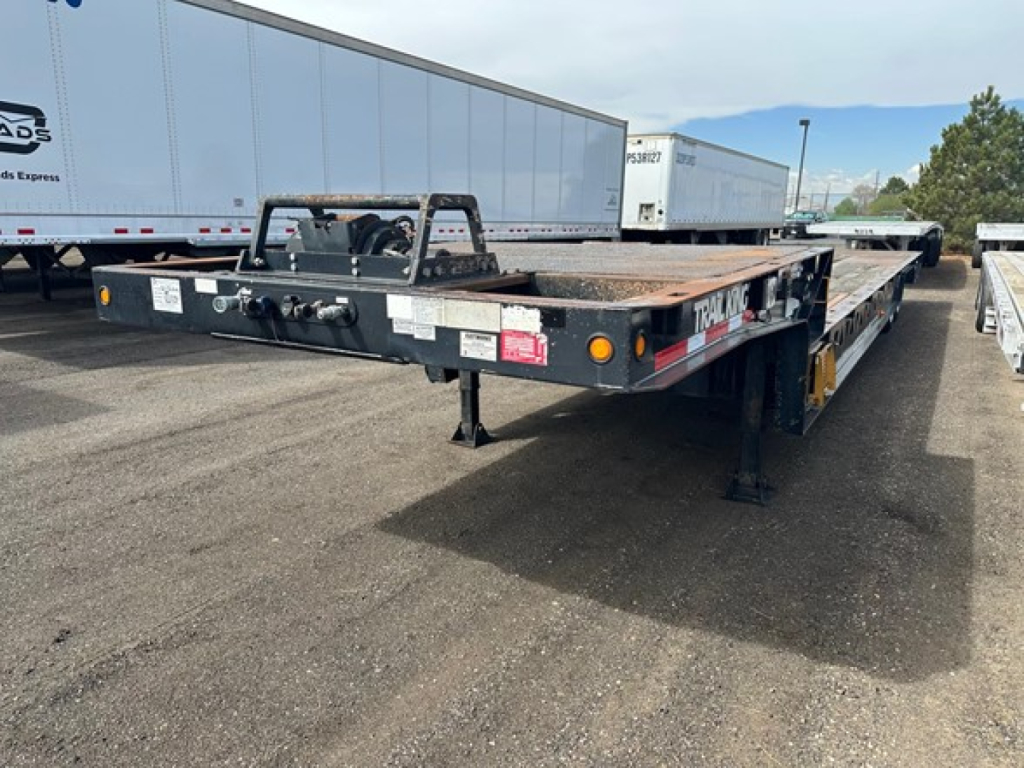
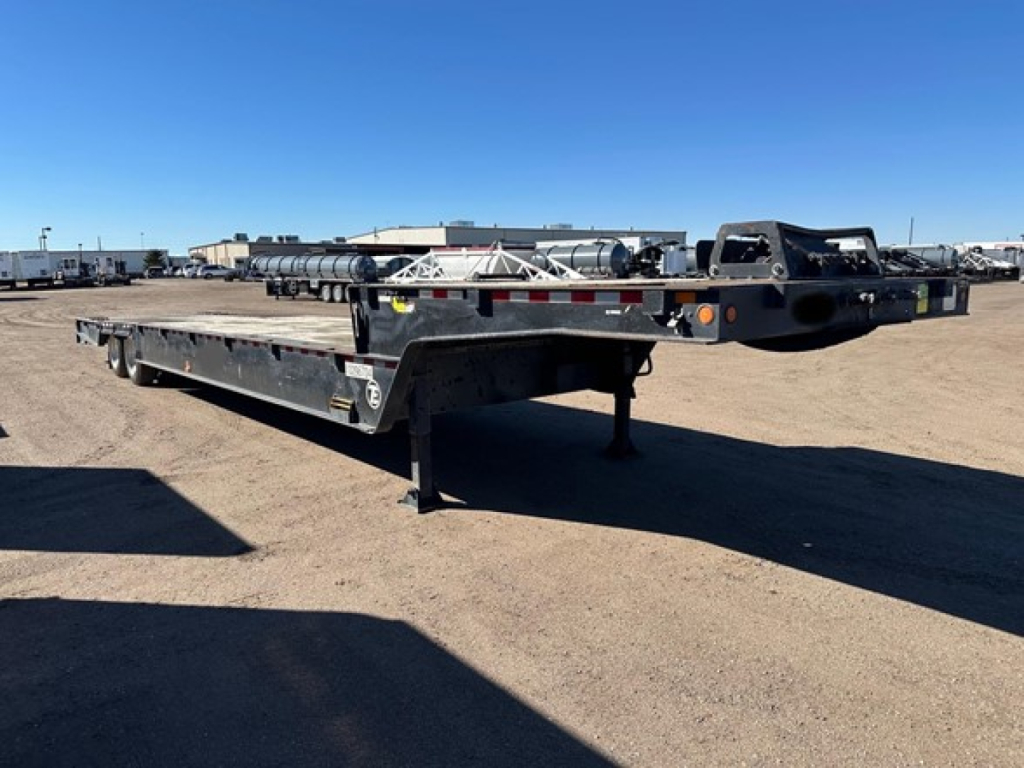
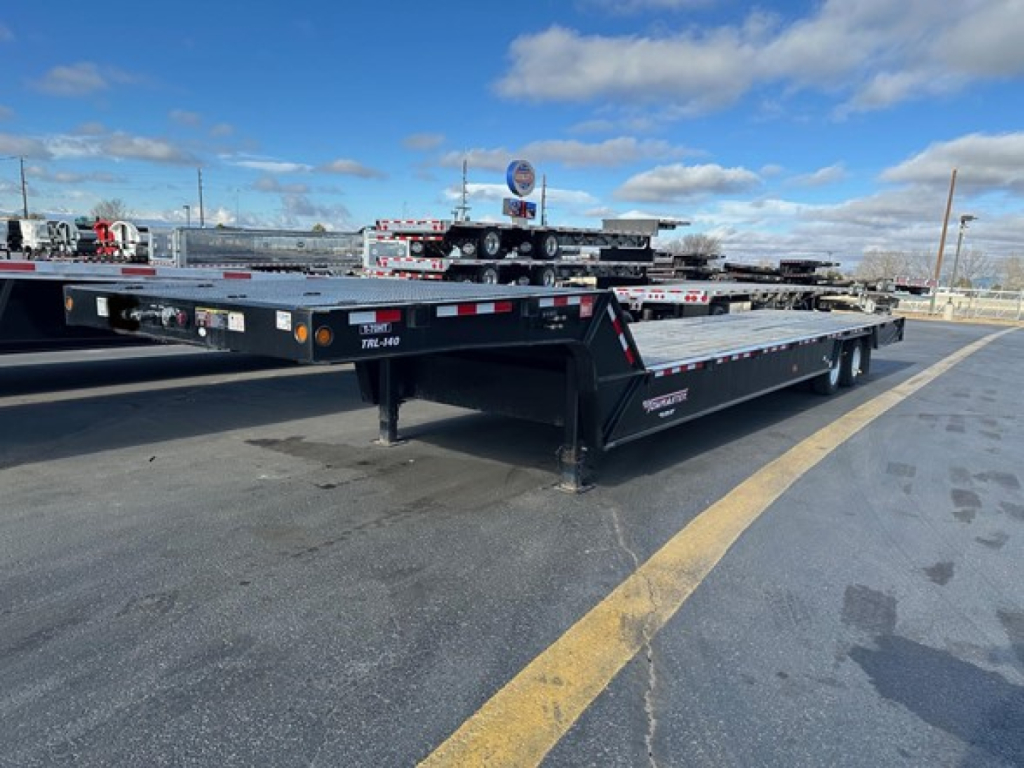
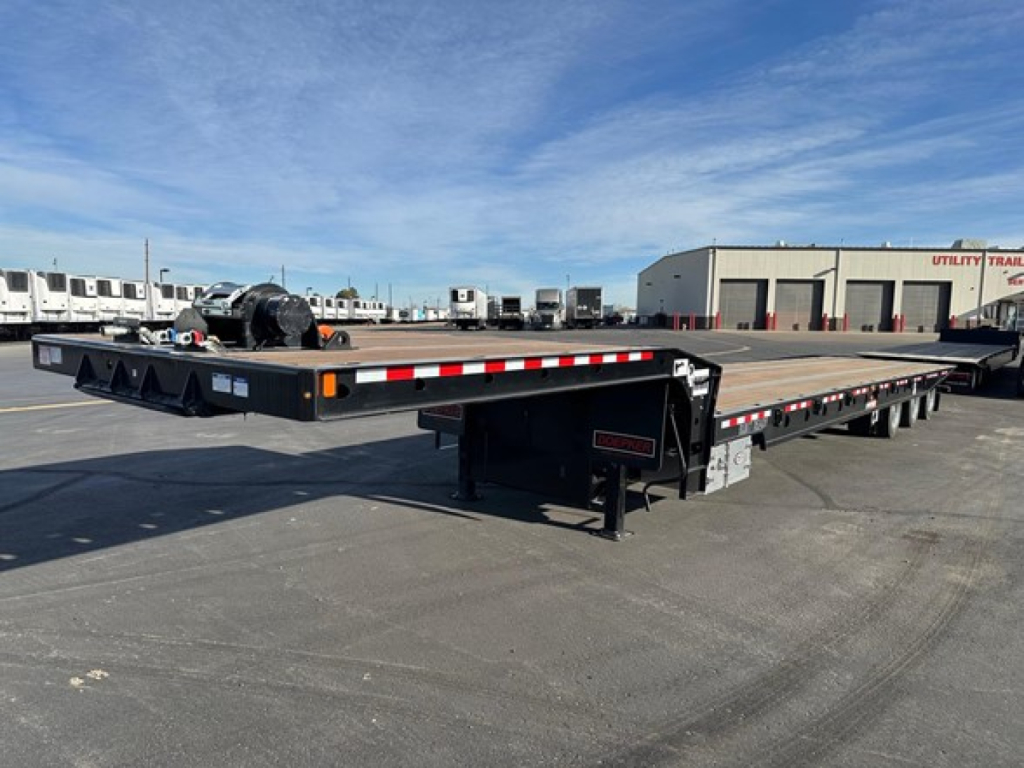
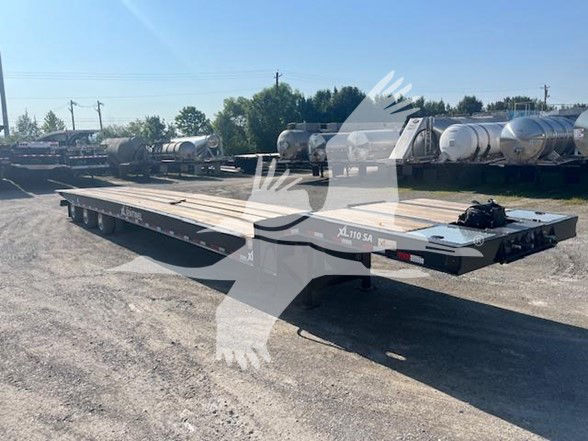
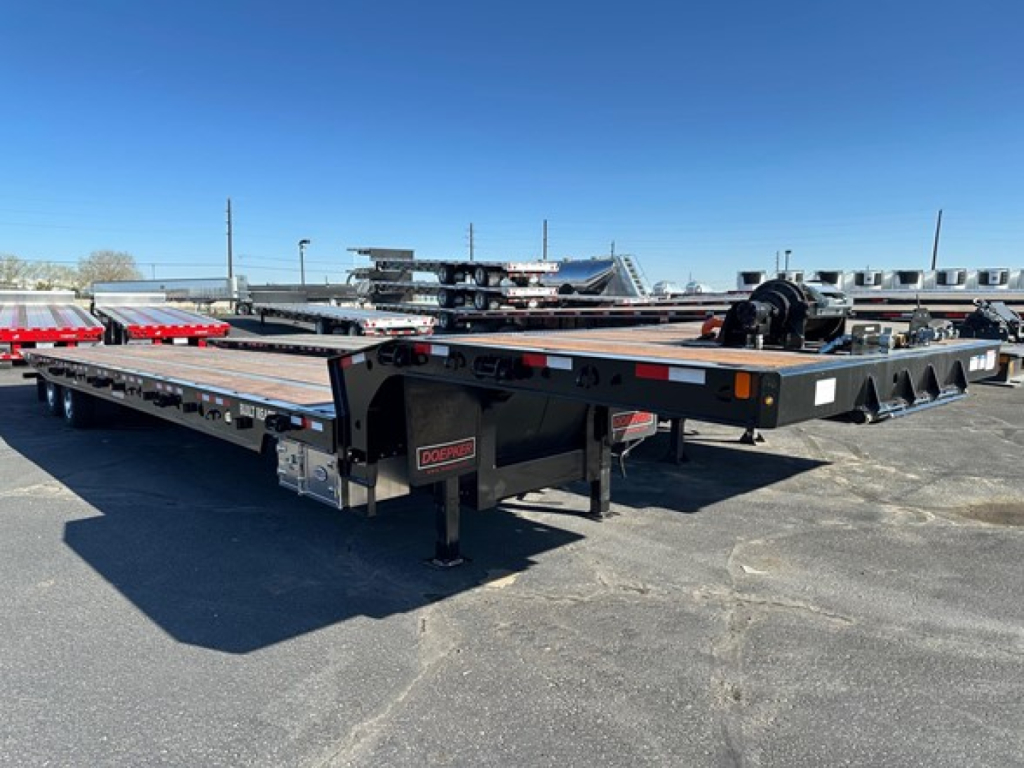
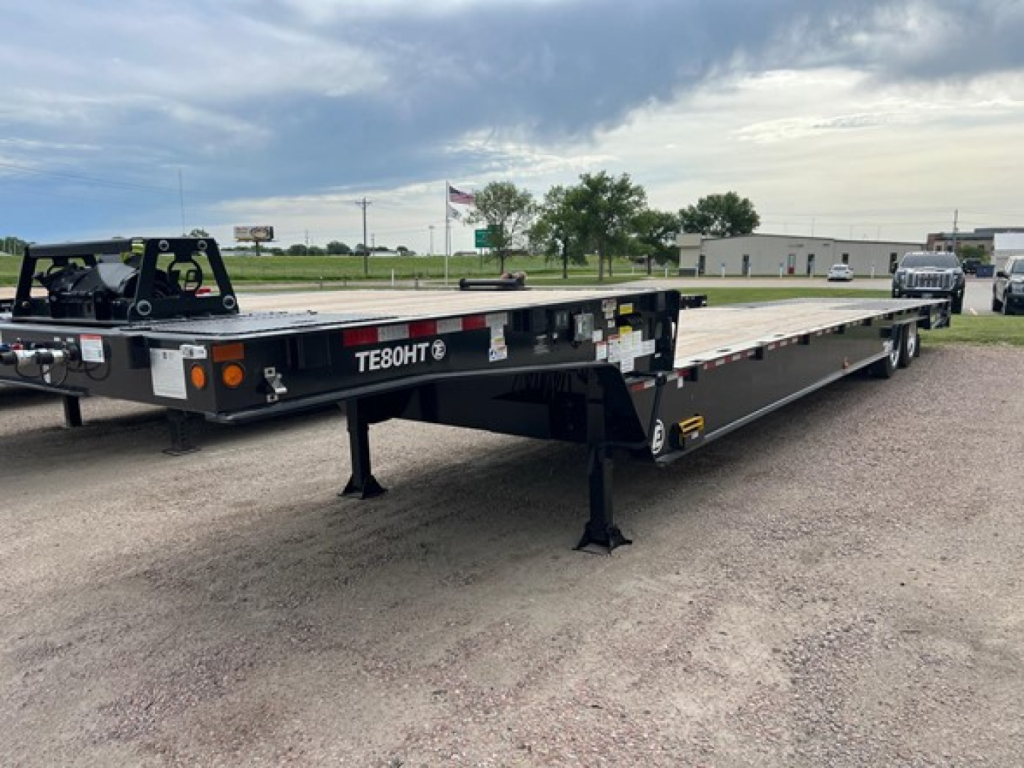
Showing 1 to 12 of 17 results
Have traveling axle trailer to sell? List it here to reach thousands of buyers.
About Traveling Axle Trailers in New Mexico
Frequently Asked Questions
What is a traveling axle trailer used for?
A traveling axle trailer is used to haul equipment that can be driven or winched onto the deck, including skid steers, mini excavators, compact track loaders, rollers, tractors, and some larger construction machines. The axle group slides rearward to lower the load angle during loading, then moves back into transport position for road travel. That design improves loading efficiency and reduces the risk of low-clearance equipment hanging up at the breakover point.
How is a traveling axle trailer different from a detach or hydraulic tail trailer?
A traveling axle trailer lowers the deck by moving the axle assembly, while a detachable gooseneck trailer separates at the front and a hydraulic tail trailer uses a powered rear section to create a loading ramp. Traveling axle trailers are often simpler and faster for routine loading of wheeled or tracked equipment that does not require the extremely low deck height of a lowboy. Buyers comparing these trailer types should look at load angle, deck height, machine ground clearance, and the typical weight of the equipment being moved.
What specs matter most when buying a traveling axle trailer?
The most important specs are payload rating, deck length, loaded deck height, axle configuration, suspension type, tail design, and overall trailer construction. Buyers should also look closely at deck width, crossmember spacing, tire size, brake setup, winch provisions, tie-down placement, and frame design. In New Mexico, where hauls can include rough access roads, open distances, and mixed pavement conditions, durability of the suspension, deck surface, and electrical system matters as much as rated capacity.
Is air ride a good choice on a traveling axle trailer?
Air ride suspension can be a strong choice when cargo protection, ride quality, and reduced shock transfer are priorities. It can help limit bounce when hauling valuable equipment and may improve stability on longer highway runs. Mechanical suspension can still appeal to buyers who want simplicity and lower maintenance, so the right choice depends on how often the trailer runs loaded, the types of machines carried, and the condition of the roads on the route.
How do I match a traveling axle trailer to my equipment?
Start with the operating weight, track or tire width, wheelbase, and ground clearance of the heaviest machine you plan to haul. Then compare those numbers to the trailer’s legal payload, deck length, deck width, load angle, and concentrated load capability. It is also important to account for attachments, fuel, buckets, and securement needs, because a trailer that works on paper can still be a poor fit if the machine approaches axle limits or cannot be positioned correctly for balanced load distribution.