
Used Trailmobile Trailers For Sale in New York
Browse used Trailmobile trailers for sale in New York, including dry van models with common specs, applications, and buying points that matter.
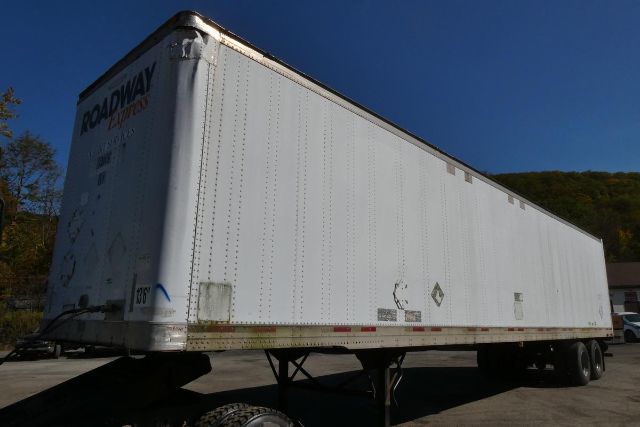
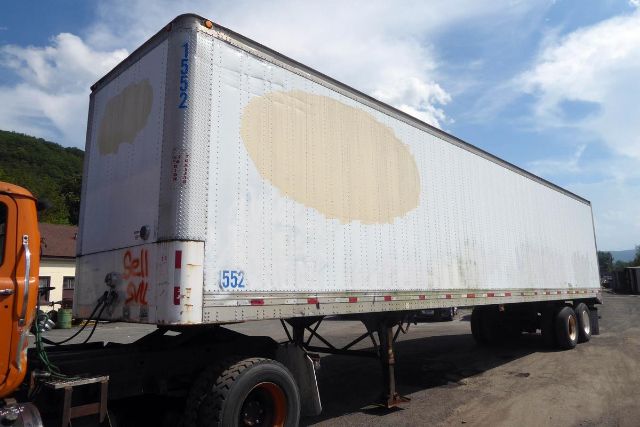

Selling a used trailmobile trailer? List your used trailmobile trailer for sale and reach thousands of commercial buyers.
Used Trailmobile Trailers in New York
The first decision is usually length, axle position, and overall height. Common used Trailmobile van trailers include 45-foot and 48-foot lengths, often with 102-inch width and heights ranging from roughly 12-foot-6 to 13-foot-6. Slideable tandems are important for scaling flexibility and kingpin-to-rear axle compliance, particularly if the trailer will run mixed freight or move through tighter Northeast lanes. Buyers should also pay attention to suspension type, with 4-spring setups being common on older units, along with 22.5-inch wheel packages and all-steel hub-piloted rims. GVWR on these trailers often falls in the 65,000 to 68,000 pound range, while empty weight varies enough to matter if payload is a priority.
Condition matters more on a used van trailer than brand reputation alone. On Trailmobile units, inspect floor wear around the threshold and forklift travel path, check roof condition for prior patches or leaks, and look closely at the roll-up door frame, hinges, and steel surround for dock impact damage. Sidewall integrity, crossmember condition, scuff liner wear, brake system condition, and tire age are all more important than paint. If the trailer has translucent or aluminum roof panels, confirm there is no water intrusion staining inside. In New York service, corrosion at the rear frame, slider rails, suspension hangers, brake plumbing, and lighting connections deserves extra attention because road salt accelerates wear.
For many buyers, a used Trailmobile dry van is attractive because it fits standard freight needs without complicated body systems or specialized maintenance. It can serve as a road trailer, local shuttle, seasonal storage unit, or backup capacity for a mixed fleet. Parts access for running gear, brakes, tires, doors, and lights is generally manageable because many trailers in this class use widely supported components. The best buy is usually the trailer with the cleanest structural condition, consistent axle alignment, solid floor, and compliant brake and tire setup, not simply the newest model year.
Frequently Asked Questions about Used Trailmobile Trailers in New York
What are the most common used Trailmobile trailer types found in this market?
The most common used Trailmobile trailers in this market are dry van trailers, often in 45-foot and 48-foot lengths. Many are spec'd with roll-up rear doors, slideable closed tandem axles, wood or wood-over-steel floors, and aluminum or aluminum-steel construction. These trailers are typically used for general freight, retail loads, warehouse shuttles, and regional distribution.
What should I inspect first on a used Trailmobile dry van trailer?
Start with the structure and running gear. Check the floor for soft spots, rot, or heavy forklift damage, then inspect crossmembers, slider rails, suspension mounts, rear frame, and the inside of the roof for leaks or repairs. After that, evaluate brake condition, tire wear, wheel-end condition, axle alignment, door operation, and signs of corrosion. On Northeast trailers, salt-related rust around the undercarriage and air system is a major factor.
Why do slideable tandem axles matter on a used van trailer?
Slideable tandems give the trailer more flexibility for weight distribution and bridge law compliance. They help operators adjust axle spacing to meet state requirements, improve load balance, and work around shipper or receiver loading patterns. In New York and throughout the Northeast, that adjustability can make a real difference when hauling mixed freight or operating in tighter legal weight conditions.
Are older Trailmobile trailers still a good buy for fleet use?
They can be, if the trailer is structurally sound and has been maintained. Older Trailmobile vans are often simple, durable trailers with standard components that are relatively easy to service. Age by itself is less important than frame condition, floor integrity, brake compliance, suspension wear, and evidence of water intrusion. A well-kept older van can still be a cost-effective choice for regional freight or storage use.
What specs matter most when comparing used Trailmobile trailers?
The key specs are trailer length, overall height, empty weight, GVWR, axle configuration, suspension type, floor construction, and rear door style. Buyers should also verify tire size, wheel type, brake setup, and whether the trailer has features like translucent roof panels, scuff liners, or logistics posts. Those details affect payload, loading compatibility, maintenance cost, and how well the trailer fits the intended freight.