
Trailers For Sale Near Torrance, California

Have trailer to sell? List it here to reach thousands of buyers.
Trailers Near Torrance, California
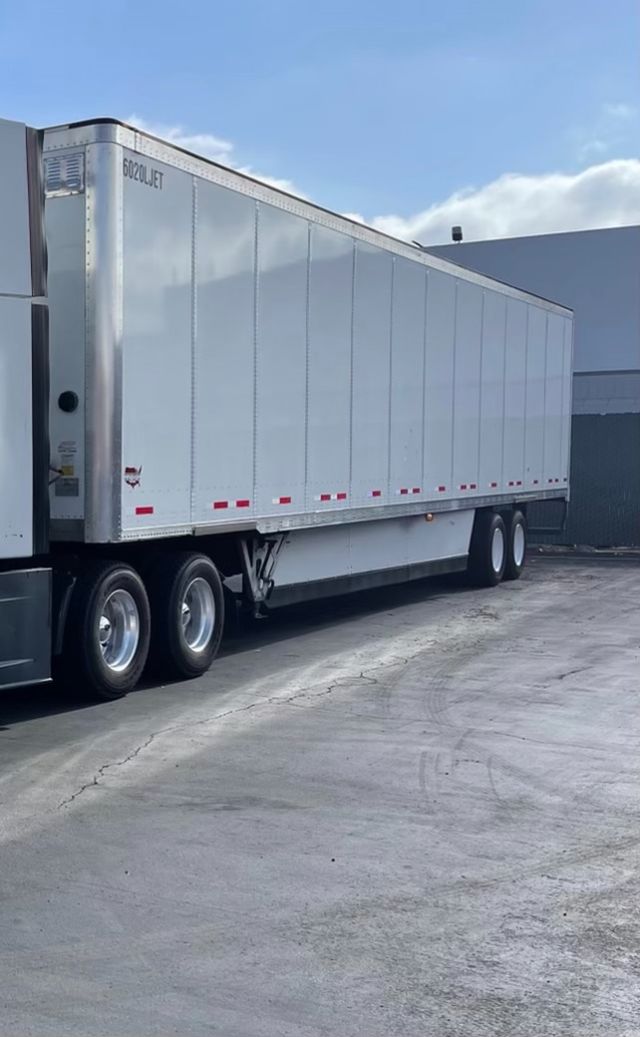
Dry van trailers remain the most common choice for palletized freight, retail loads, packaged food, and other cargo that needs weather protection and basic security. Buyers should look closely at floor condition, wall integrity, roof repairs, rear frame strength, and door type. Swing doors are common, while roll-up doors can be useful in local delivery applications where repeated stop-and-go unloading matters. Interior equipment like E-track, logistics posts, scuff liners, and liftgates can make a major difference depending on the freight profile. A 53-foot dry van is the standard for long-haul and warehouse freight, while 48-foot vans still fit many regional operations and tighter delivery lanes.
Tank trailers are a different purchase decision entirely because specification and legal compliance drive value more than simple age or appearance. Capacity is usually measured in gallons, and compartment count matters if the trailer will haul multiple products on one run. Buyers need to verify the barrel material, DOT specification, baffles or smooth bore design, pump and hose setup, suspension, axle ratings, and the current status of inspections and certifications. In California, where operating conditions, emissions rules on power units, and safety scrutiny can all affect total cost of ownership, it is smart to confirm exactly what commodity the tank was built to haul and what cleaning or recertification work may be required before it goes to work.
Across trailer types, smart buyers compare tare weight, GVWR, tire size, brake condition, wheel-end service history, kingpin wear, lighting, ABS status, and evidence of frame or substructure repairs. Landing gear operation, crossmember condition, and tandem slider function also deserve attention on used trailers. For fleets working ports, distribution centers, construction supply, or regional LTL support around Torrance, the best trailer is usually the one that matches the lane, loading method, and commodity without adding unnecessary empty weight or maintenance complexity.
Frequently Asked Questions about Trailers Near Torrance, California
What should I check first when buying a used trailer?
Start with structural condition and legal roadworthiness. Inspect the frame, crossmembers, floor, roof, doors, landing gear, brakes, tires, wheels, lights, ABS, and kingpin area. On a van trailer, pay close attention to floor rot, sidewall damage, and rear frame wear. On a tank trailer, confirm current inspections, compartment configuration, and commodity compatibility before looking at cosmetic condition.
What is the difference between a 48-foot trailer and a 53-foot trailer?
A 53-foot trailer gives more cubic capacity and is the standard for most long-haul dry freight, especially dock-to-dock warehouse freight. A 48-foot trailer can still be a strong fit for regional hauling, local delivery, and operations where maneuverability matters more than maximum volume. The right choice depends on freight density, route restrictions, customer dock space, and how often the trailer runs full versus cubed out.
Why does sliding tandem matter on a trailer?
A sliding tandem lets the axle group move forward or backward to help with bridge law compliance, weight distribution, and turning characteristics. It is especially useful when freight weight varies by load or when the trailer needs to meet different state or shipper requirements. Buyers should check that the slider rails, pins, and locking mechanism operate correctly and do not show excessive wear or damage.
What matters most when buying a tank trailer?
The most important factors are the tank’s DOT specification, capacity, number of compartments, material construction, and whether it is suitable for the commodity you intend to haul. Inspection and certification status is critical, as are barrel condition, suspension, running gear, valves, and any pumping equipment. A lower-priced tank trailer can become expensive quickly if it needs testing, lining work, valve replacement, or cleaning to meet your intended service.
Are liftgates and E-track worth paying extra for on a van trailer?
They can be, if the trailer matches the freight and delivery pattern. E-track improves cargo securement flexibility for mixed freight, final-mile freight, and dedicated customer lanes. A liftgate adds value for deliveries without dock access, but it also adds weight and maintenance. Buyers should balance the added functionality against payload loss, repair exposure, and how often those features will actually be used.