
Used Walker Tank Trailers For Sale
Browse used Walker tank trailers, including stainless steel single-compartment tankers with rear discharge, common in liquid and sanitary hauling.
No exact matches found for your search
Showing Used Tank Trailers instead.
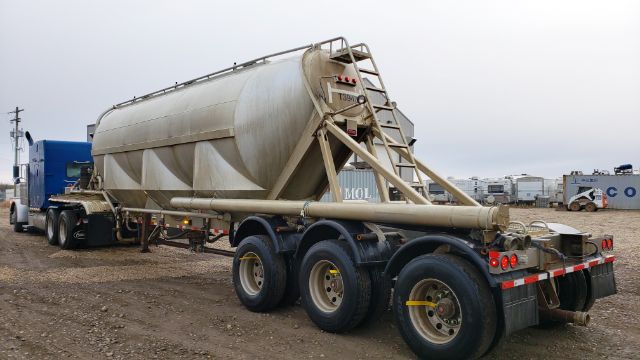
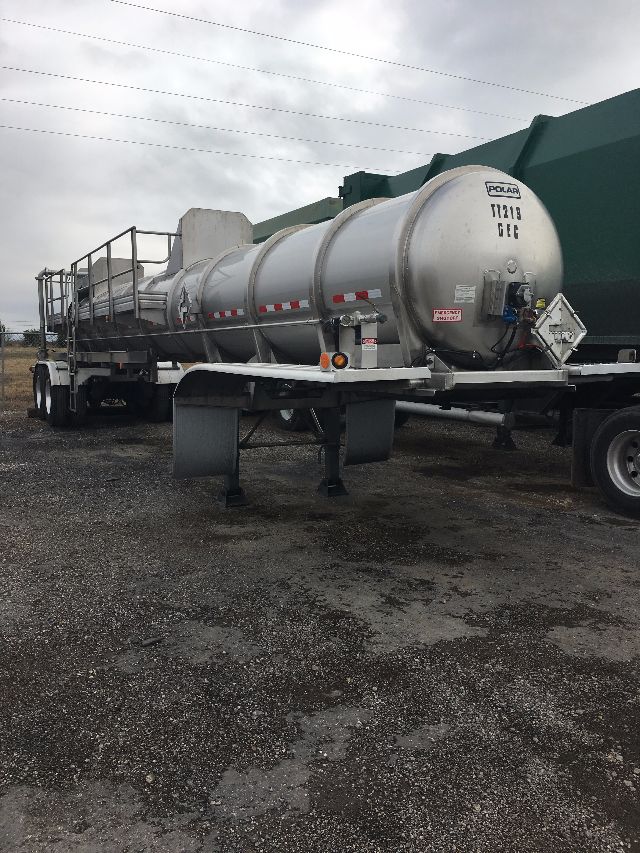

Selling a used walker tank trailer? List your used walker tank trailer for sale and reach thousands of commercial buyers.
Used Walker Tank Trailers
For a buyer, the first decision is usually barrel material and prior service. Stainless steel barrels are common on Walker trailers and remain desirable because they resist corrosion and support a wide range of hauled products, but condition matters more than badge alone on an older tank. Check the interior for pitting, contamination history, and signs of previous repairs. Confirm the number of compartments, manhole count, and discharge location. Rear discharge with 3-inch stainless piping is a common layout and can simplify unloading for certain operations, but pump, hose, and valve compatibility should match your current fleet standards.
Suspension, running gear, and barrel support condition deserve close attention on used tank trailers. Older Walker units may be equipped with spring suspension or air ride, and that choice affects ride quality, product surge control, and maintenance planning. Tire size, wheel type, fenders, cabinets, and hose troughs all influence day-to-day usability. Buyers should also inspect subframe areas, crossmembers, suspension hangers, kingpin structure, landing gear, brake components, and any evidence of barrel stress around saddles or mounts. With tank trailers, structural integrity and current test status are more important than cosmetic appearance.
If the trailer will be used in regulated service, verify the data plate, VIN, gallon capacity, and any applicable testing or certification requirements before purchase. Product type determines what matters next, including baffling or non-code configuration, sanitary fittings, pressure or vacuum capability, and clean-out access. A used Walker tanker can still be a strong value when the spec matches the intended commodity and the trailer has a clear maintenance history. The best purchase is the one with the right barrel material, discharge arrangement, suspension spec, and compliance record for the work you need it to do.
Frequently Asked Questions about Used Walker Tank Trailers
What are the most common specs found on used Walker tank trailers?
Many used Walker tank trailers on the market are stainless steel trailers with straight-round barrels, single-compartment configurations, and capacities around 6,000 to 6,200 gallons. Common features include rear discharge, 3-inch stainless piping, one or more manholes, and either spring suspension or air ride. Exact specifications vary by prior application, so buyers should confirm compartment count, discharge plumbing, barrel material, and suspension before comparing trailers.
Why is stainless steel important on a used tank trailer?
Stainless steel is valued because it offers strong corrosion resistance and broad product compatibility in many liquid-hauling applications. On a used trailer, stainless construction can improve long-term serviceability, but it does not replace a proper inspection. Buyers should still check for interior pitting, weld repairs, contamination risk from prior cargo, and the overall condition of the barrel and plumbing.
What should I inspect first on a used Walker tanker?
Start with the barrel, the discharge system, and the running gear. Inspect the tank interior and exterior for corrosion, dents, cracks, patchwork, or weld repairs. Then review valves, piping, manholes, hose storage, suspension components, brakes, tires, wheels, landing gear, and the kingpin area. If the trailer will be used in regulated service, confirm the VIN tag, capacity plate, and any required inspection or test documentation.
Is a single-compartment Walker tank trailer a good choice?
A single-compartment tank trailer is often a good fit when the operation handles one product at a time and wants simpler washout and unloading procedures. Single-pot trailers are common in dedicated liquid service because they reduce internal complexity and can be easier to maintain than multi-compartment designs. The right choice depends on product segregation needs, route structure, and how often the trailer changes commodities.
How do I know if a used Walker tank trailer matches my application?
Match the trailer to the commodity first, then to the route and unloading method. Barrel material, compartment layout, discharge size and location, suspension type, and any sanitary or code-related requirements all need to line up with the intended service. A trailer that looks similar on paper may still be wrong for the job if the fittings, prior product history, or compliance status do not meet your operation's standards.