
Tank Trailers For Sale in Illinois
Browse tank trailers for sale in Illinois, including stainless, aluminum, insulated, and pneumatic tanks for liquid and dry bulk hauling.
Learn moreNo exact matches found for your search
Showing Tank Trailers instead.

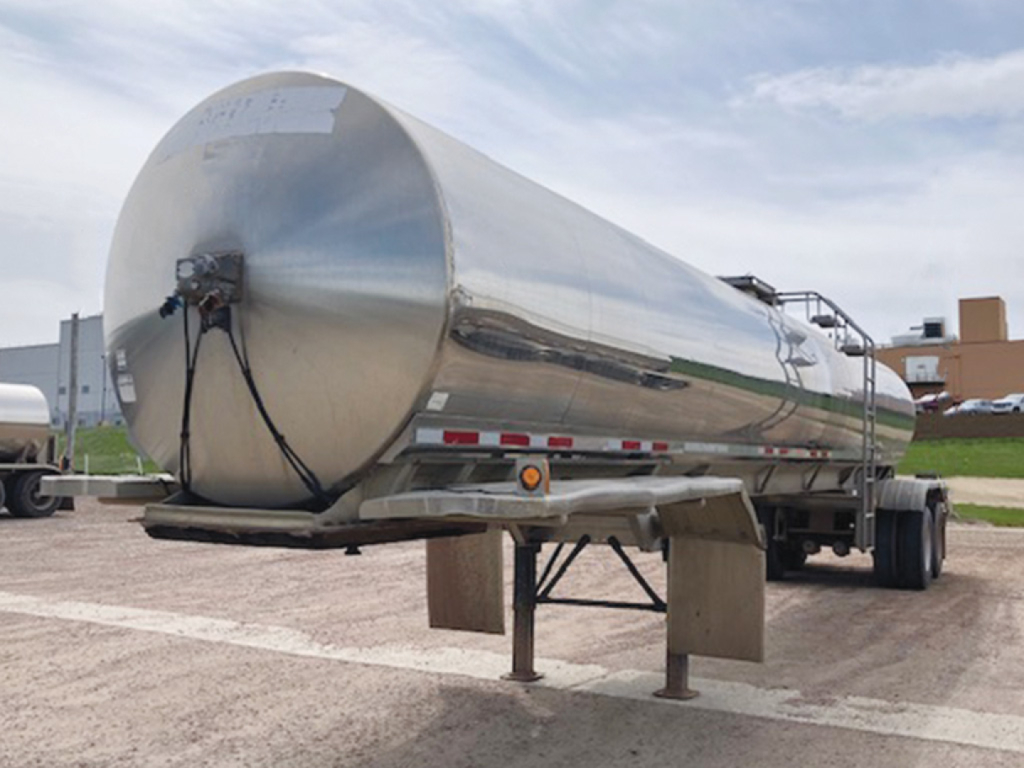
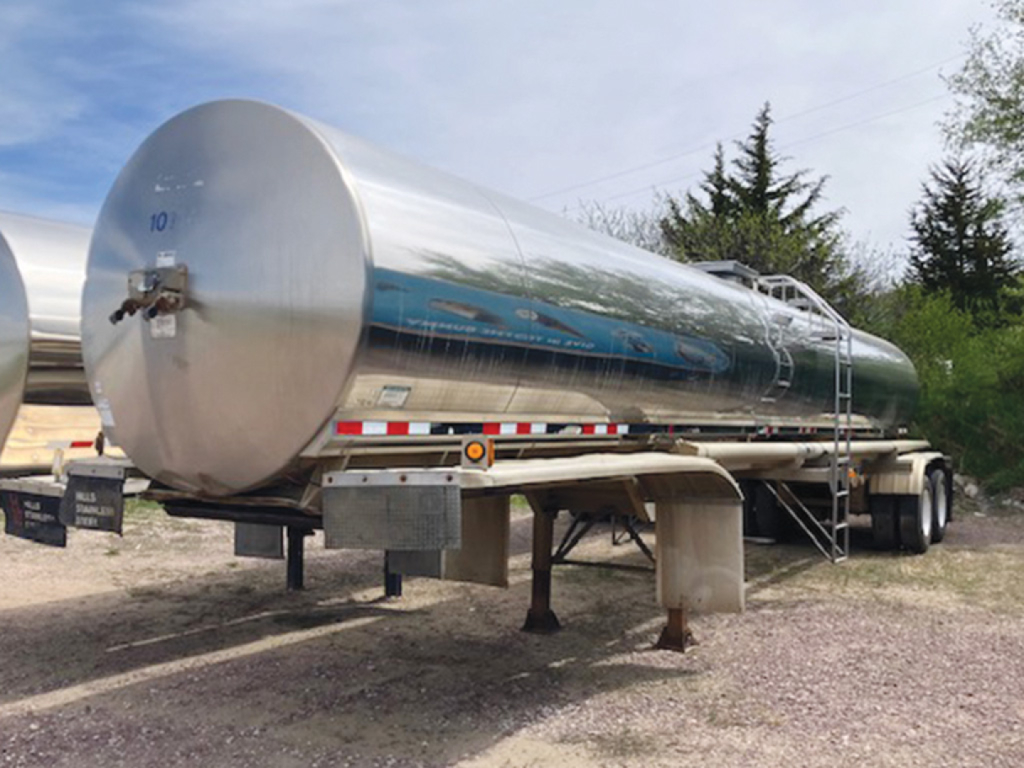
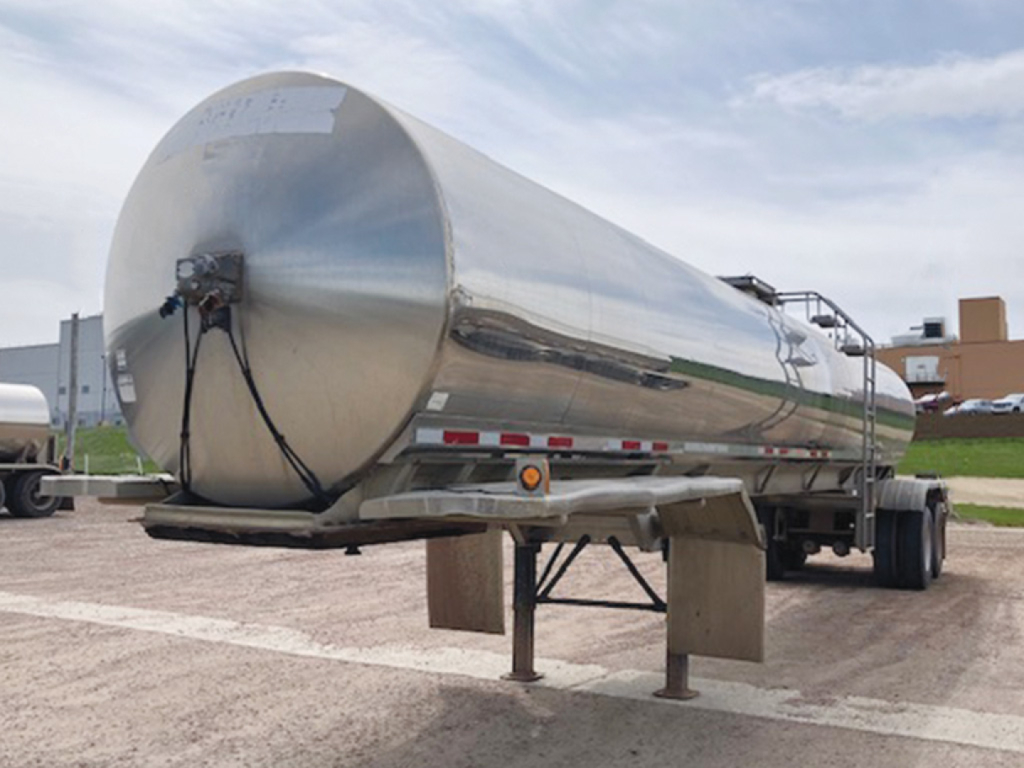
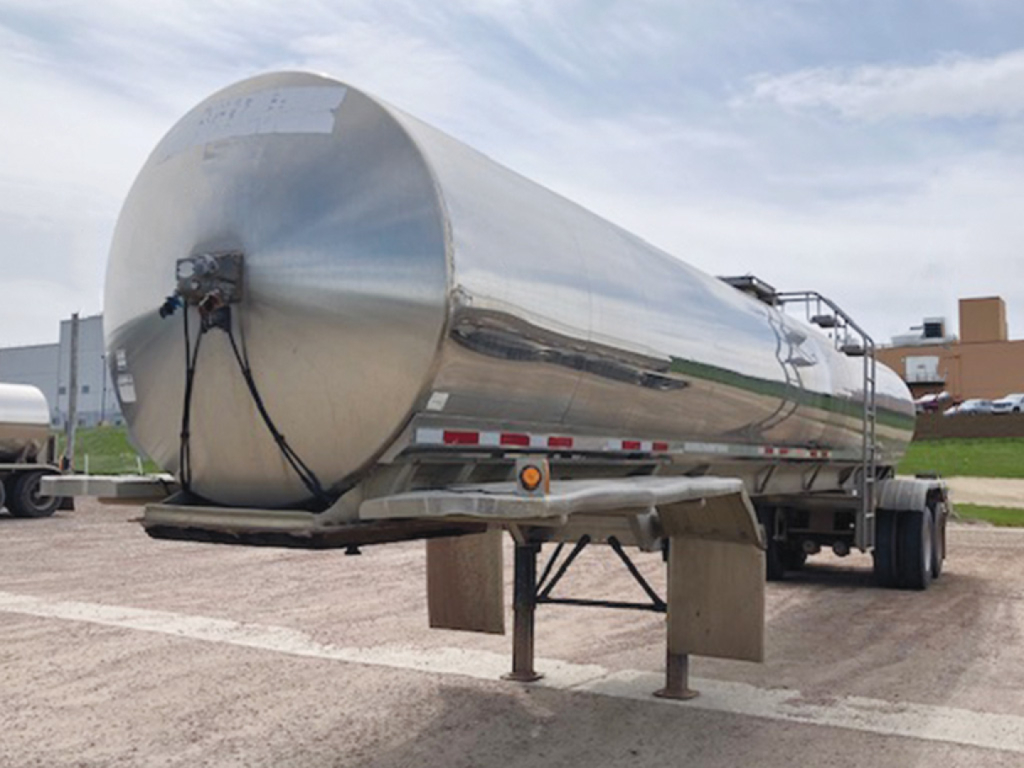
Showing 1 to 12 of 13 results
Have tank trailer to sell? List it here to reach thousands of buyers.
About Tank Trailers in Illinois
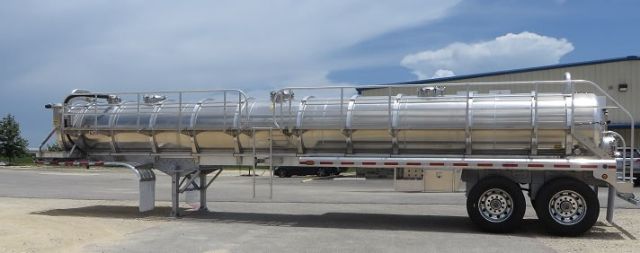
For liquid service, stainless steel tanks remain a common choice when corrosion resistance, washout quality, and product purity matter. Insulated barrels and double conical designs are often seen on trailers handling temperature-sensitive product or loads that need complete drainage. Pay close attention to gallon capacity, single versus multi-compartment configuration, manhole access, and whether the trailer uses center or rear discharge. Piping size, valve condition, hose storage, cabinet space, and frame material also affect turnaround time and maintenance cost. Older liquid tanks can still be useful, but buyers should inspect shell condition, baffles if equipped, signs of weld repair, suspension wear, and any documentation tied to prior service and testing.
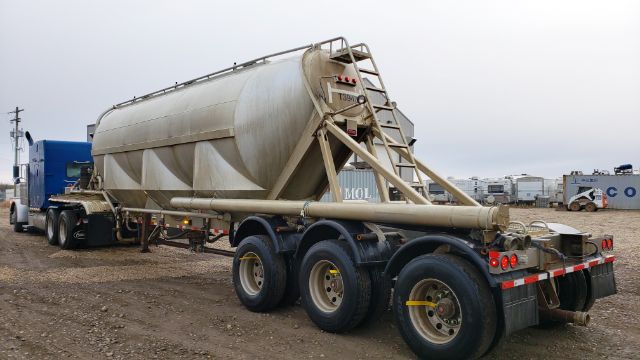
For dry bulk work, pneumatic tank trailers are typically aluminum to reduce tare weight and improve payload. Capacity is usually measured in cubic feet rather than gallons, and hopper count matters because it affects unloading efficiency and residual cleanout. Pressure manholes, blower plumbing, discharge piping, and aeration components need a careful inspection because these systems directly control unload time and product flow. Air ride suspension is common on later pneumatic tanks, while older units may show a wider mix of suspension types. Wheel material, tire size, and brake condition matter on any trailer, but on a pneumatic unit the real value is in the pressure system and the condition of the tank interior.
Illinois buyers should also think about route profile, seasonality, and terminal requirements. A tank trailer running short regional lanes into plants and processors may prioritize easy wash access, simple plumbing, and dependable suspension over maximum capacity. A long-haul bulk operation may focus more on tare weight, aluminum components, and unload performance. Before purchasing, confirm the trailer’s intended product compatibility, DOT inspection status, lining or insulation condition if applicable, and the availability of replacement parts for valves, hoses, suspension, and running gear. The right tank trailer is less about age alone and more about matching construction, capacity, and discharge setup to the commodity being hauled.
Frequently Asked Questions
What is the difference between a liquid tank trailer and a pneumatic dry bulk tank trailer?
A liquid tank trailer is built to haul products measured in gallons, such as food-grade liquids, chemicals, or other pumpable commodities. A pneumatic dry bulk tank trailer is designed for dry commodities measured in cubic feet, such as cement, lime, flour, or plastic pellets, and it uses air pressure to unload through hoppers and piping. The barrel shape, discharge system, internal design, and inspection points are different, so the trailer needs to match the product and unloading method exactly.
Why does tank trailer material matter so much?
Tank material affects corrosion resistance, tare weight, cleanout quality, and product compatibility. Stainless steel is common for liquid service where sanitation, durability, and resistance to corrosion are important. Aluminum is widely used in pneumatic dry bulk applications because it reduces empty weight and can improve payload. Frame material also matters because steel and aluminum frames carry different maintenance and weight tradeoffs over time.
What should I inspect first on a used tank trailer?
Start with the barrel, frame, suspension, brakes, tires, and discharge system. Look for shell damage, corrosion, weld repairs, valve wear, leaking piping, damaged manholes, and signs of poor maintenance around the hopper or outlet areas. On insulated tanks, inspect jacket condition and evidence of moisture intrusion. On pneumatic tanks, pay close attention to pressure-related components, hopper integrity, and the condition of the plumbing used during unloading.
How do I choose the right tank trailer capacity?
Capacity should be matched to the commodity, legal weight limits, and your lane profile. Liquid tanks are usually selected by gallon capacity, while dry bulk pneumatic tanks are selected by cubic foot volume. A larger tank is not always better because product density can make a trailer gross out before it cubes out. The right setup balances payload, axle loading, unload efficiency, and plant or customer requirements.
Are older tank trailers still a practical buy?
Yes, if the trailer has been maintained properly and its specifications still fit the intended work. Many older tank trailers remain viable in regional or dedicated service, especially when the barrel, frame, and discharge system are structurally sound. The key is to verify condition, maintenance history, prior product use, and any required inspections or tests. Buyers should also consider parts support and the cost of bringing valves, suspension, brakes, or plumbing up to current operating standards.