
Used Stoughton Trailers For Sale in New York
Browse used Stoughton trailers for sale in New York, including dry van and pup trailer options with specs on size, doors, suspension, and GVWR.
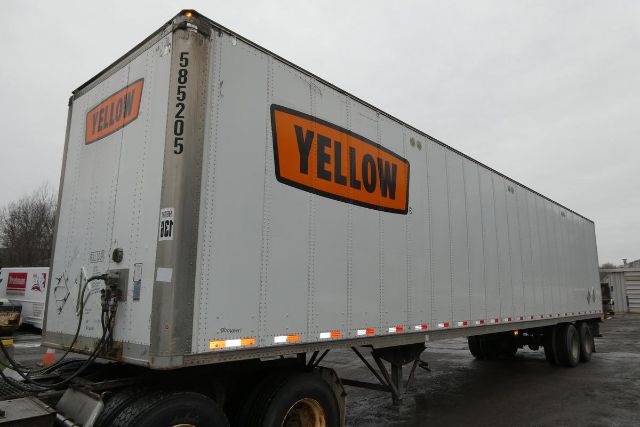
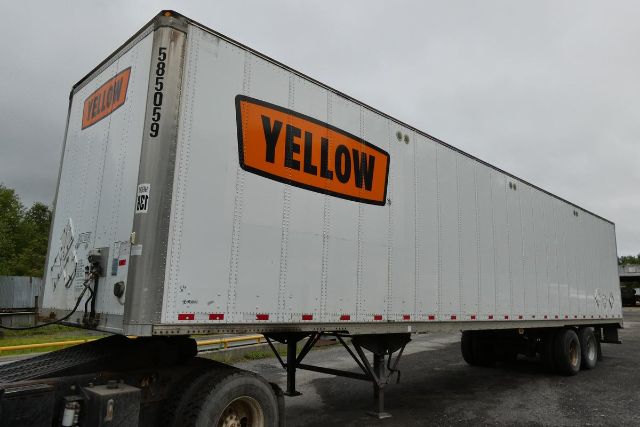
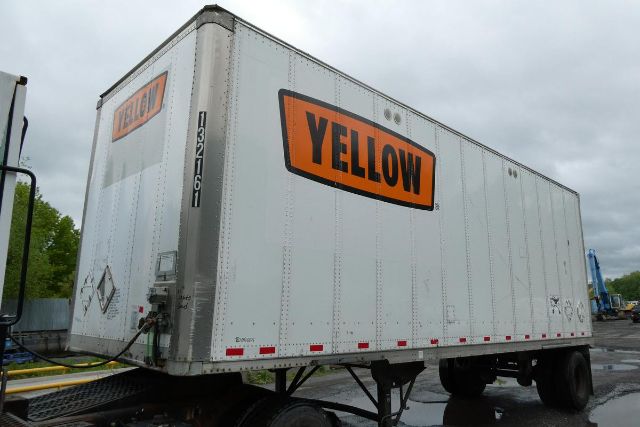
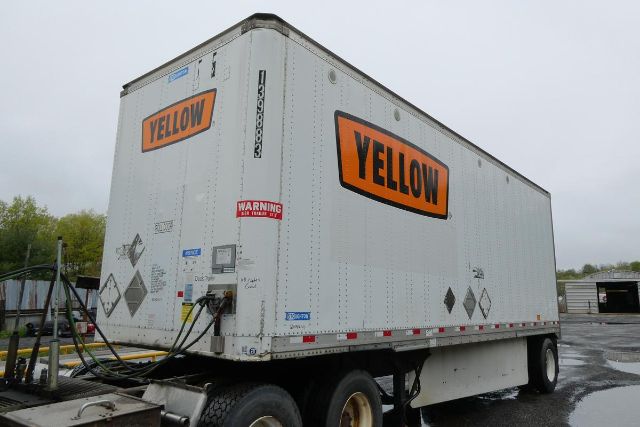

Showing 1 to 28 of 32 results
Selling a used stoughton trailer? List your used stoughton trailer for sale and reach thousands of commercial buyers.
Used Stoughton Trailers in New York
A buyer comparing used Stoughton trailers should start with structure and service history. Look closely at the floor composition, crossmember condition, sidewall integrity, roof bows, rear frame, and door surround. Many Stoughton vans use a steel and aluminum construction mix that balances weight and durability, but corrosion at the rear sill, landing gear mounts, upper coupler area, and suspension attachment points still needs careful inspection, especially in Northeast service. On pup trailers and city vans, roll-up doors deserve extra attention because frequent stop-and-go delivery work accelerates wear on rollers, tracks, cables, and panel alignment. If the trailer has side skirts, check for bracket damage and clearance issues from curbs, snow, and yard contact.
Specs vary by application, but used Stoughton van trailers commonly show up with 102-inch width, 13-foot-6 overall height, air brakes, and spring or air ride suspension depending on the original fleet order. Single axle pups with fixed axles are common in doubles service and may be rated around 40,000-pound GVWR, with tare weight and floor rating becoming key factors for heavier palletized freight. Tire size, hub-piloted wheels, brake type, and kingpin setting all affect interchangeability with the tractors already in your fleet. Buyers should also verify door opening dimensions, interior height, logistics track or scuff liner presence, and whether the trailer was built for dock loading, cartage, or linehaul use. A trailer that looks similar on paper can perform very differently depending on rear door condition, suspension spec, and floor life remaining.
For New York buyers, the best used Stoughton trailer is usually the one that matches route density, loading style, and maintenance capacity. A regional fleet may prioritize lighter weight and fast dock turns, while a city operation may care more about roll-up access, rugged rear framing, and easy parts replacement. Check for current DOT compliance items, brake wear, tire age, lighting, ABS function, and any signs of prior sidewall or nose repair. Stoughton trailers are widely recognized in fleet service, which helps with parts familiarity and resale confidence, but condition still drives value. A careful inspection of doors, floor, suspension, and frame will tell you more than the badge alone.
Frequently Asked Questions about Used Stoughton Trailers in New York
What are used Stoughton trailers best suited for?
Used Stoughton trailers are commonly used for dry freight, regional distribution, LTL, P&D, and linehaul work. Many buyers look at Stoughton vans and pup trailers for applications that require dependable enclosed cargo space, good dock compatibility, and fleet-friendly serviceability. Shorter 28-foot units are especially useful in doubles operations and urban freight environments where maneuverability matters.
What should I inspect first on a used Stoughton dry van or pup trailer?
Start with the floor, rear frame, door assembly, suspension mounts, and upper coupler area. These are the areas that often show the most wear in high-cycle freight service. On trailers used in the Northeast, corrosion around the rear sill, crossmembers, landing gear structure, and brake components is a major factor. Roll-up doors also need close inspection for damaged tracks, worn rollers, and poor sealing.
Are Stoughton 28-foot trailers commonly used in doubles service?
Yes. Many 28-foot Stoughton pup trailers are built for doubles service and are equipped with the dimensions and chassis layout commonly seen in LTL and terminal-to-terminal operations. Buyers should still confirm axle configuration, GVWR, coupler setup, and any markings or hardware related to doubles use before putting the trailer into that application.
What specs matter most when comparing used Stoughton trailers?
The most important specs are trailer length, GVWR, tare weight, axle configuration, suspension type, brake system, tire size, door opening dimensions, and floor construction. Buyers should also look at kingpin setting, interior height, wheel type, and overall body composition. These details determine payload capability, tractor compatibility, loading efficiency, and long-term maintenance cost.
Is a used Stoughton trailer a good fit for New York operations?
In many cases, yes. Stoughton trailers are a practical fit for New York fleets because they are common in regional freight service and available in configurations that work well in tighter operating environments. For city and regional routes, shorter van trailers can offer a better balance of cargo capacity and maneuverability. The key is matching the trailer’s size, condition, and door configuration to the route and dock conditions it will actually see.