
Trailers For Sale Near Spokane, Washington
Have trailer to sell? List it here to reach thousands of buyers.
Trailers Near Spokane, Washington
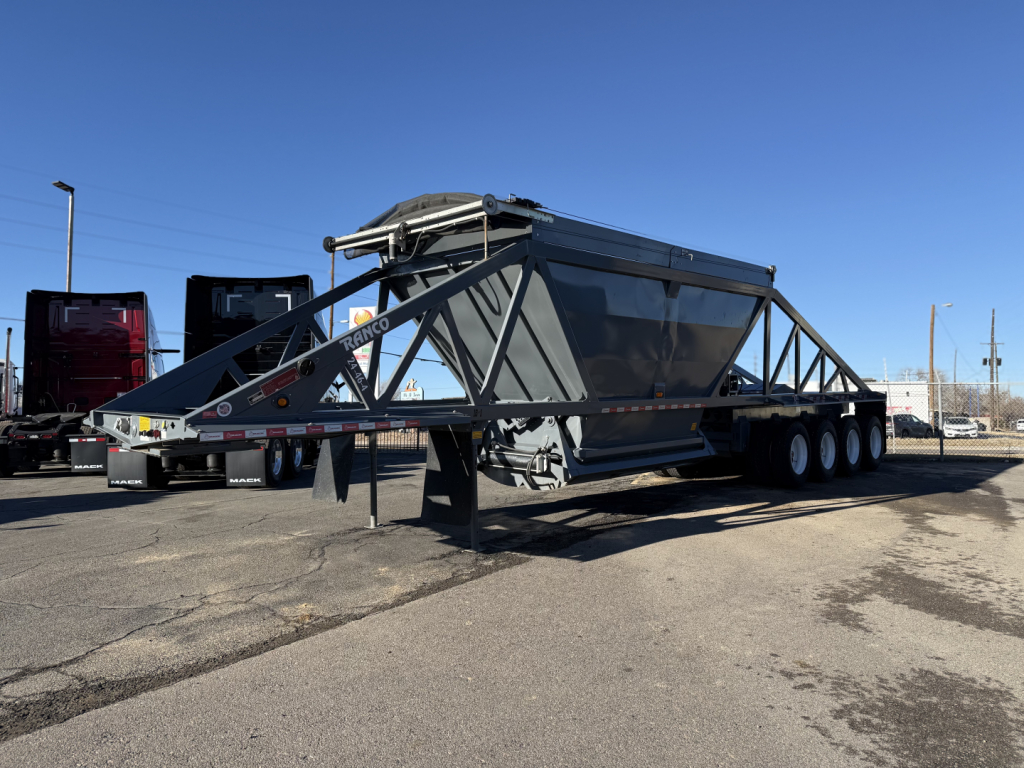
Dump trailers are a strong fit for aggregate, demolition, asphalt, and agricultural bulk material, and the sample units here reflect the kind of specs many buyers compare. Common decision points include steel versus aluminum construction, cubic yard capacity, tub length, kingpin setting, tarp system, and the number of lift axles. A steel dump trailer generally offers better impact resistance for abrasive material, while a lighter-weight build can improve payload. Tri-axle and quad-axle configurations are common where bridge compliance and payload distribution matter. Buyers should also confirm hydraulic requirements, hoist compatibility, gate control style, liner condition, floor thickness, and whether the trailer has bolt-on fenders, push blocks, or air ride suspension.
Across all trailer categories, axle layout and running gear deserve as much attention as the body. Air ride is common for ride quality and cargo protection, while spring ride may still appeal in some severe-service applications. Drum brakes remain widely used, but disc brakes, tire inflation systems, lift axles, and telematics are increasingly part of the conversation on newer equipment. Tire size, wheel material, landing gear, ABS function, lighting, and frame condition all matter, especially on used trailers. Buyers operating in Washington and neighboring states should also think about seasonal terrain, corrosion exposure, and how trailer length, spread, and kingpin placement affect maneuverability and compliance.
The best trailer choice comes down to payload target, freight type, route profile, and how the trailer integrates with the tractor and operation. A lighter trailer can add revenue through payload, but only if it still holds up to the material being hauled. A heavy-duty spec may last longer in severe service, but it can reduce net payload on every trip. Looking at GVWR, empty weight, axle ratings, suspension spec, body dimensions, and service history gives a clearer picture than model year alone. For buyers comparing many listings, the real value is finding a trailer spec that fits the work without adding unnecessary weight, maintenance exposure, or compliance issues.
Frequently Asked Questions about Trailers Near Spokane, Washington
What should I look for first when buying a commercial trailer?
Start with the trailer type, axle configuration, and payload goal. Those three factors determine whether the trailer matches the freight and the tractor that will pull it. After that, look at empty weight, axle ratings, suspension, brake system, body material, and overall dimensions. A trailer can look similar on paper but perform very differently depending on tare weight, kingpin setting, frame design, and running gear.
How do I choose between a steel and aluminum dump trailer?
Steel dump trailers are typically preferred for abrasive, high-impact material such as demolition debris, riprap, or heavy aggregate because the body resists denting and wear. Aluminum or lightweight designs can improve legal payload and fuel economy, but they may not be the best match for the harshest applications unless the spec is built for it. The right answer depends on what you haul every day, not just the purchase price.
Why do kingpin setting and axle spread matter on a trailer?
Kingpin setting and axle spread affect bridge law compliance, turning characteristics, fifth wheel position, and how weight is distributed between the steer axle, drives, and trailer axles. A trailer with the wrong kingpin setting for your tractor or operating area can create weight distribution problems even when the gross weight looks legal. This is especially important for dump, flatbed, and specialized trailers where axle loading changes with cargo position.
Are lift axles worth having on a dump trailer or other heavy-haul trailer?
Lift axles can be valuable when you need flexibility between loaded and empty operation. They help distribute weight when loaded and can reduce tire scrub and rolling resistance when lifted in empty or lighter conditions, depending on local regulations and system setup. They also add complexity, so buyers should inspect air controls, bushings, tires, alignment, and the condition of the lift mechanism before making a decision.
What matters most on a used trailer inspection?
Focus on structural condition before cosmetic appearance. Check the frame rails, crossmembers, suspension mounts, kingpin area, landing gear structure, brake components, wheel ends, air system, electrical system, and tire wear pattern. On dump trailers, pay extra attention to the tub, floor, tailgate hardware, hoist mounts, tarp system, and signs of cracking or repairs around high-stress points. Service records and evidence of consistent maintenance can be as important as age or brand.