
Trailers For Sale Near South Holland, Illinois
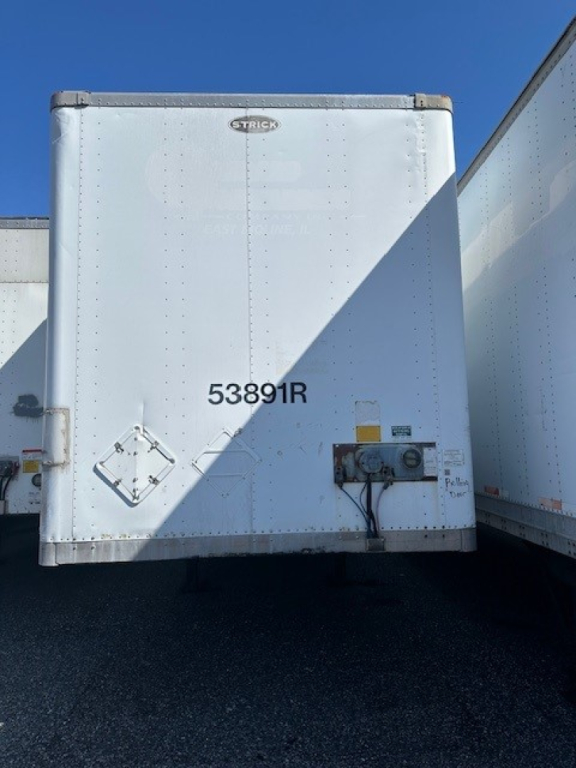
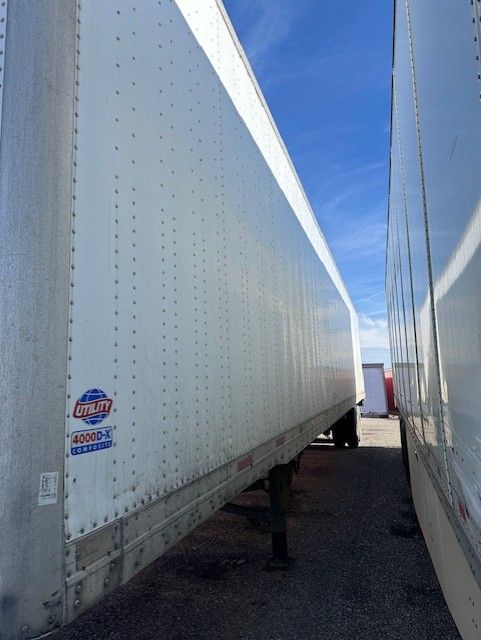

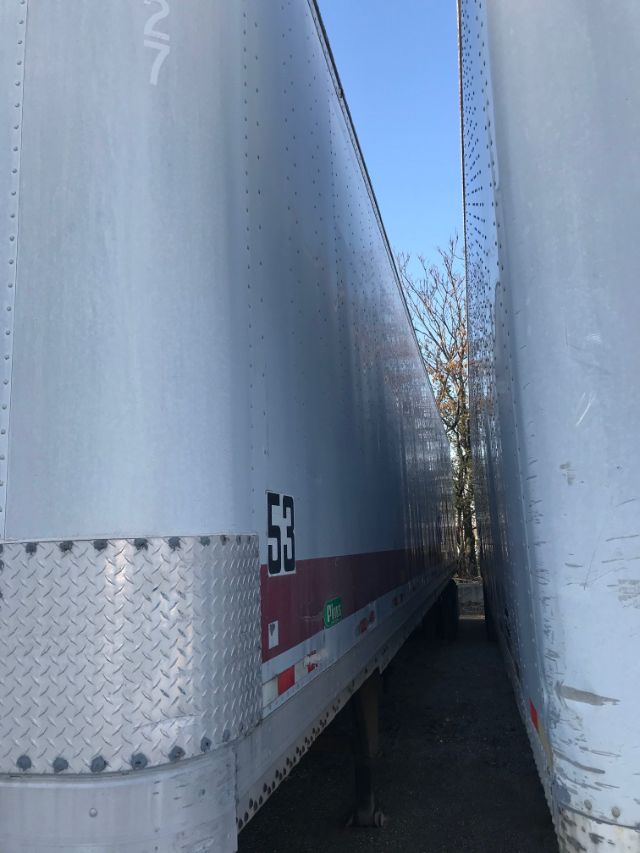
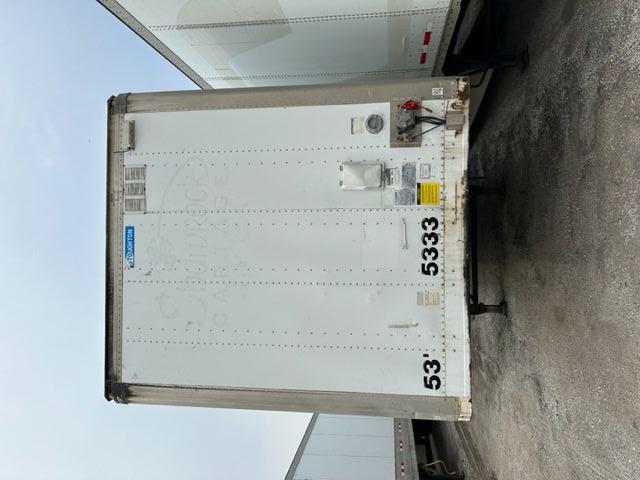
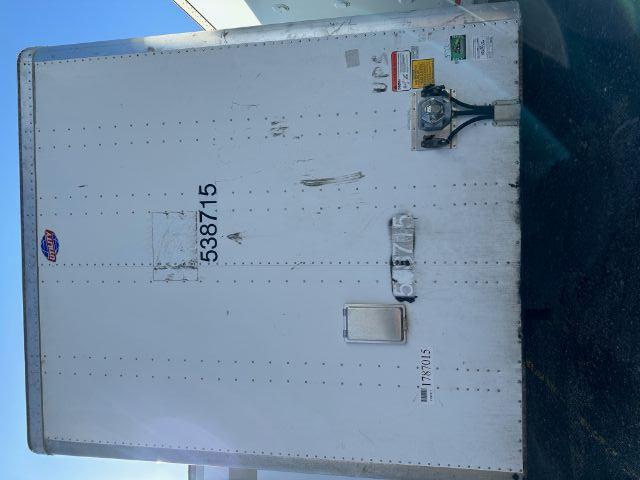
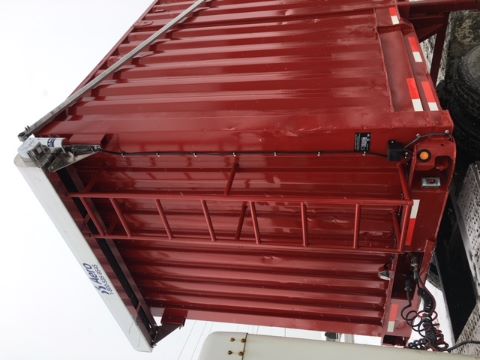
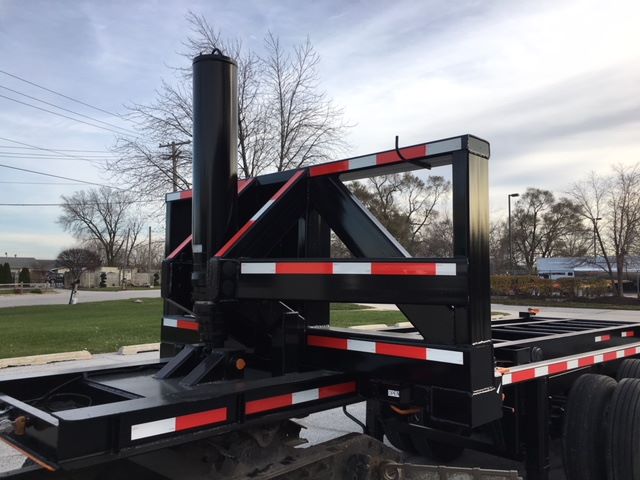

Showing 1 to 24 of 25 results
Have trailer to sell? List it here to reach thousands of buyers.
Trailers Near South Holland, Illinois
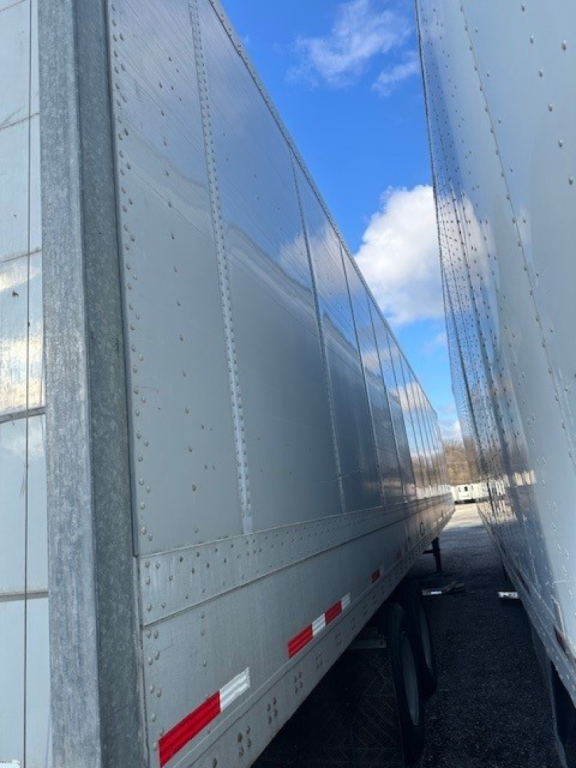
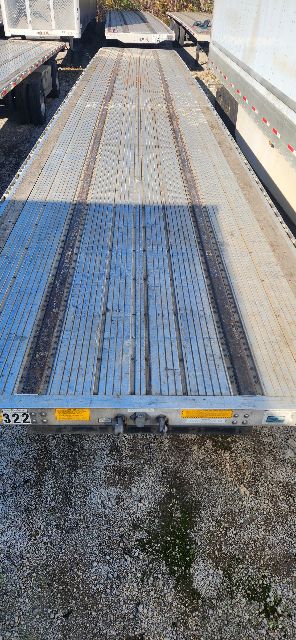
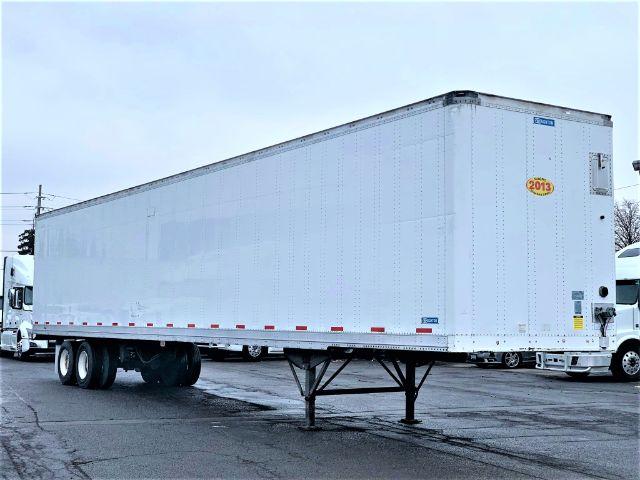
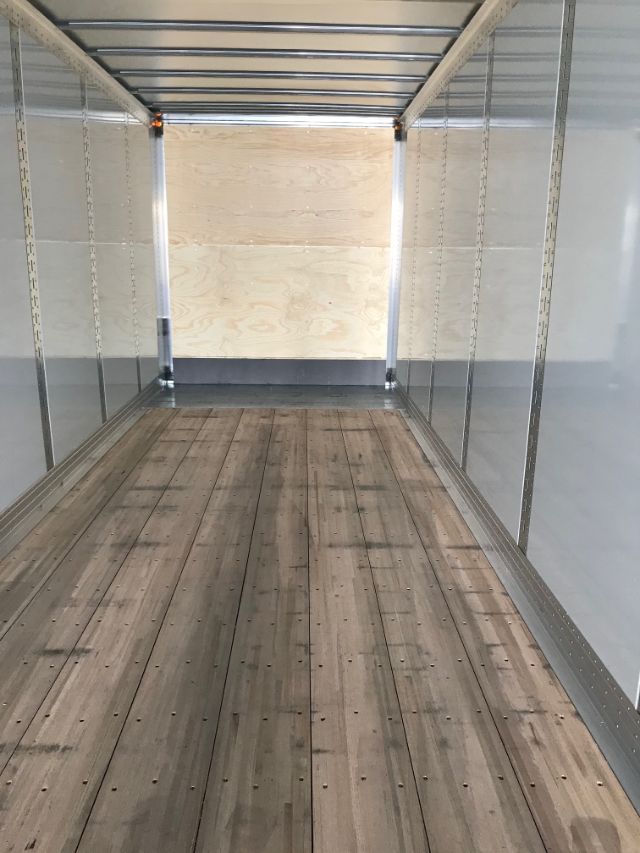
Construction and interior setup matter as much as length. Many buyers look for aluminum van trailers because they help reduce tare weight and resist corrosion, especially in Midwest service where road salt and year-round exposure can shorten trailer life. Common features include plywood liner packages, scuff plates, threshold plates, wood floors, and E-track for load securement flexibility. Rear access is often handled by roll-up doors on city and regional units, while some operations prefer swing doors for dock sealing and full opening clearance. Floor condition, wall liner integrity, roof condition, and signs of side impact damage should all be checked closely on a used trailer.
Suspension, axle layout, and tandem position have a direct effect on operating cost and route fit. Air ride suspension is typically preferred for better ride quality and freight protection, while spring suspension can still make sense in tougher vocational service or on older cost-conscious units. Sliding tandems remain important for bridge law compliance, dock positioning, and weight distribution across state lines. Buyers comparing single axle and tandem axle trailers should focus on payload needs, tire cost, maneuverability, and how the trailer will be dispatched. Tire inflation systems, low profile 22.5 tires, and disc wheels can also reduce downtime and simplify fleet maintenance when spec'd correctly.
For many fleets, the right trailer is the one that matches freight profile, loading method, and lane density without adding unnecessary weight or maintenance complexity. A 53-foot van trailer is typically the standard for long-haul and high-volume freight, while 40-foot to 48-foot units are often a better fit for local work, dedicated shuttles, or facilities with tighter yard space. In a market like South Holland, with access to major Chicago-area freight corridors, buyers should pay close attention to trailer height, kingpin setting, rear frame condition, door hardware, and any signs of previous dock or forklift damage. Those details usually tell you more about long-term value than age alone.
Frequently Asked Questions about Trailers Near South Holland, Illinois
What is the most common trailer type for general freight?
The dry van trailer is the most common trailer type for general freight. It is an enclosed trailer designed to haul palletized freight, boxed goods, consumer products, and other cargo that needs protection from weather and theft. Standard dry van configurations are typically 48 or 53 feet long and 102 inches wide, although shorter van trailers are also used in regional and local operations.
What should I inspect first on a used van trailer?
Start with the floor, roof, sidewalls, rear frame, and door assembly because those areas reveal how the trailer was loaded and maintained. Check the wood floor for rot, soft spots, forklift damage, and patched sections. Look for roof leaks, bowed side panels, damaged scuff liners, cracked crossmembers, and worn suspension components. Tandem slide operation, brake condition, tire wear, and evidence of frame corrosion are also critical before purchase.
Is air ride suspension better than spring suspension on a trailer?
Air ride suspension is usually preferred when freight protection, ride quality, and reduced cargo shock are priorities. It can be especially valuable for higher-value or damage-sensitive loads. Spring suspension is simpler and can be less expensive to maintain in some applications, but it generally delivers a harsher ride. The better choice depends on the freight, route conditions, and maintenance strategy.
Why does a sliding tandem matter on a van trailer?
A sliding tandem allows the axle group to move forward or backward to help balance axle weights, meet bridge law requirements, and improve docking flexibility. This is important for fleets that run across multiple states or handle varying freight weights. A fixed tandem can work in dedicated service, but a slider gives more versatility in day-to-day dispatch.
What trailer length should I choose for local versus long-haul freight?
A 53-foot trailer is the standard choice for long-haul and high-volume freight because it maximizes cubic capacity. Shorter lengths such as 40, 45, or 48 feet can make more sense for local routes, route delivery, urban terminals, and facilities with limited maneuvering space. The right length depends on freight density, dock layout, route restrictions, and how often the trailer will be loaded to full cube.