
Trailers For Sale Near Shreveport, Louisiana
Have trailer to sell? List it here to reach thousands of buyers.
Trailers Near Shreveport, Louisiana
On flatbeds, common specs include 48-foot by 102-inch decks, tandem sliding suspensions, and kingpin settings that help balance bridge law compliance with axle spread needs. Combo steel-aluminum construction is popular because it reduces tare weight without giving up the strength needed for hard daily use. Details like crossmember spacing, aluminum floors with wood nailers, stake pockets on 24-inch centers, recessed chain ties, sliding winches, full-length winch tracks, and coil packages matter because they directly affect securement options and trailer versatility. Suspension and running gear are just as important. Air-ride sliders, 4S/2M ABS, 22.5-inch wheel packages, and common tire sizes such as 295/75R22.5 are standard points of comparison for fleets trying to control maintenance costs and improve ride quality for sensitive freight.
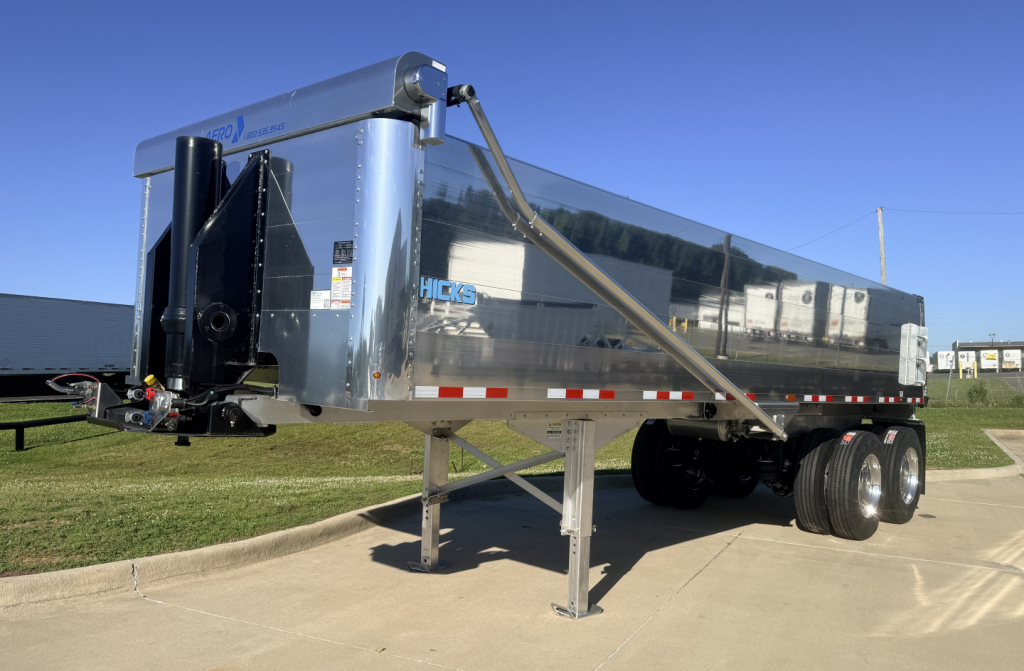
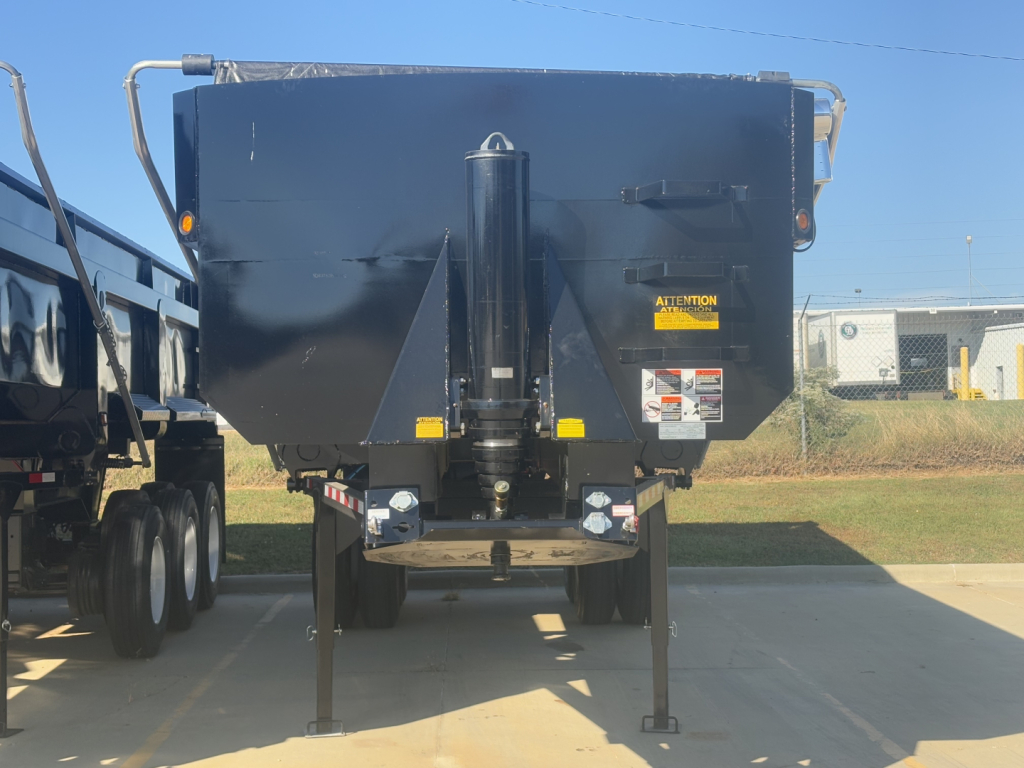
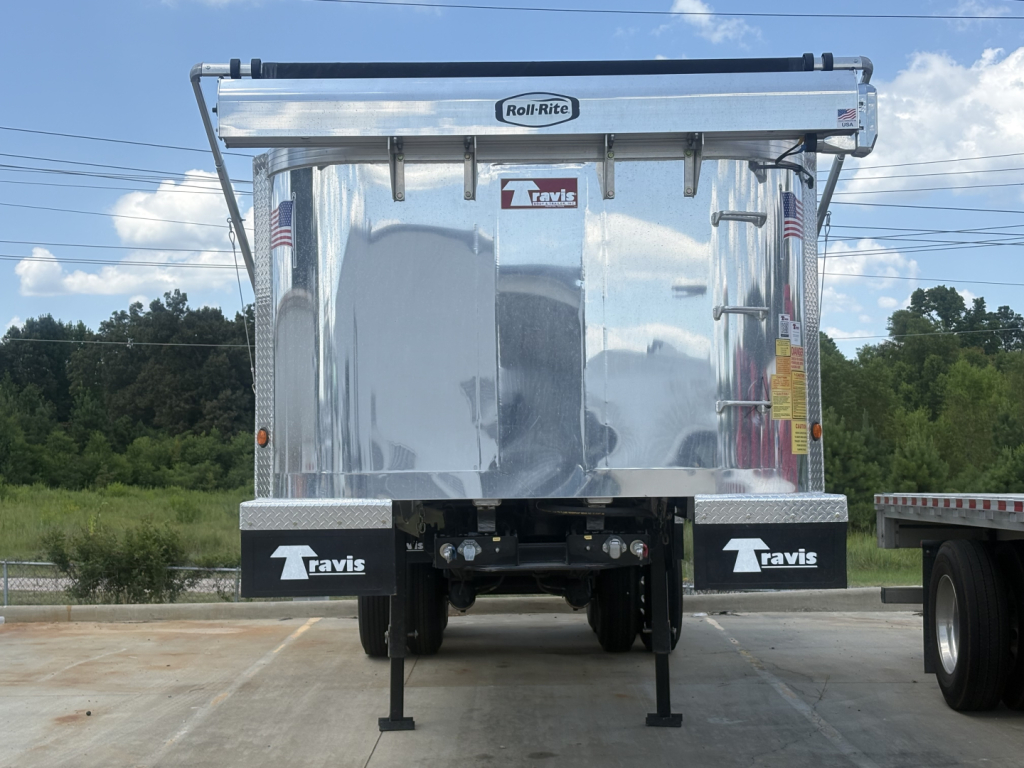
For dump applications, buyers often focus on body material, liner choice, hoist design, tarp system, and suspension layout. Aluminum end dumps are favored when payload is the priority, especially in sand, gravel, and regional bulk hauling. Frameless designs reduce empty weight and can improve cubic capacity, but they need to match the terrain and loading conditions. Features like electric flip tarps, air-ride suspensions, lift axles, and all-aluminum wheel packages can improve productivity and lower operating cost when the trailer runs frequent short cycles. In Louisiana and the surrounding Gulf South, corrosion resistance, brake condition, and tire life deserve extra attention due to heat, moisture, and mixed on-road and jobsite use.
Used versus new is another major category decision. A new trailer gives the buyer the latest spec, cleaner maintenance history, and the ability to prioritize payload or heavy-duty construction from the start. A used trailer can offer strong value, but inspection becomes critical. On flatbeds, check deck condition, rail damage, winch track wear, slider operation, and signs of frame fatigue or prior overload. On dump trailers, inspect the tub, hinge areas, cylinder mounts, tarp system, suspension components, and liner wear. Across all trailer types, serious buyers compare VIN history, axle ratings, brake type, tire age, wheel condition, and structural repairs before making a final decision.
Frequently Asked Questions about Trailers Near Shreveport, Louisiana
What should I compare first when shopping for trailers for sale?
Start with the trailer category, intended payload, and axle setup. A flatbed and a dump trailer may both be tandem axle units, but they are built for very different freight and duty cycles. After that, compare trailer length, width, suspension type, empty weight, body or deck material, and any application-specific equipment such as coil packages on flatbeds or liners and tarps on dumps. These specs determine legal payload, loading method, maintenance exposure, and how many freight types the trailer can realistically handle.
What is the difference between a flatbed trailer and a platform trailer?
In most trucking markets, flatbed trailer and platform trailer are used interchangeably. Both describe an open-deck trailer designed for freight loaded from the side, rear, or top. Buyers should still read the listing details closely because deck construction, crossmember spacing, securement hardware, and suspension design can vary widely even when two trailers are both called flatbeds. The useful comparison is not the label alone but how the trailer is equipped for steel, lumber, machinery, or general building products.
Why do many buyers choose aluminum or combo trailers?
Aluminum and combo trailers are usually chosen to reduce tare weight and improve payload capacity. A full aluminum dump trailer can be a strong fit for bulk material hauling where every pound of legal payload matters. A combo flatbed, which blends steel and aluminum, gives buyers a balance between lower weight and structural durability. The tradeoff is that lighter construction should still match the freight, road conditions, and loading equipment used in the operation. Material choice affects repair methods, long-term corrosion resistance, and resale value as well as payload.
Is air-ride suspension worth it on a trailer?
Air-ride suspension is often worth the added cost because it improves ride quality, helps protect sensitive freight, and can reduce shock loading to the trailer structure. It is common on flatbeds hauling machinery, building products, or other cargo that benefits from a smoother ride. On dump trailers, air-ride can improve road manners and tire wear, especially in regional service. Buyers should still compare axle ratings, slider design, bushing condition, and brake components because suspension performance depends on the full running gear package, not just the air bags.
What should I inspect on a used trailer before buying?
Focus on structure first, then running gear. On any used trailer, inspect the frame or tub for cracks, repairs, corrosion, and signs of overloading. Check the suspension, axle alignment, brake system, wheel ends, tires, and ABS operation. On flatbeds, pay close attention to floor condition, crossmembers, outside rails, stake pockets, winch tracks, and slider travel. On dump trailers, inspect the body, hoist or cylinder mounting points, rear gate hardware, tarp system, liner condition, and hinge areas. A clean appearance matters less than evidence of straight structure, proper maintenance, and components that still have service life left.