
Trailers For Sale Near Schererville, Indiana
Browse trailers for sale in Schererville, Indiana, including reefer and flatbed trailers with common specs, applications, and buying tips.
Have trailer to sell? List it here to reach thousands of buyers.
Trailers Near Schererville, Indiana
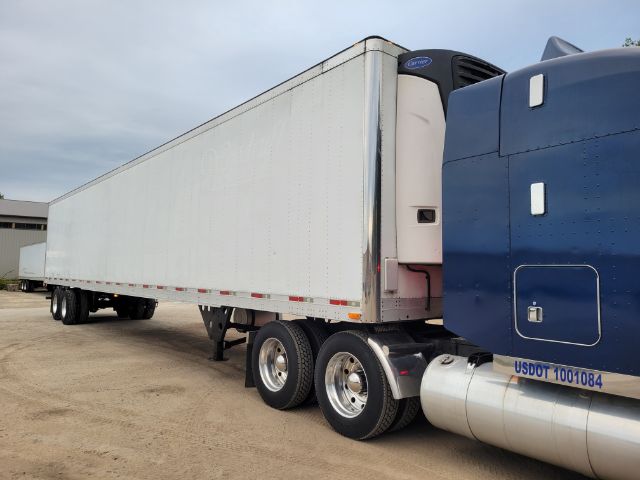
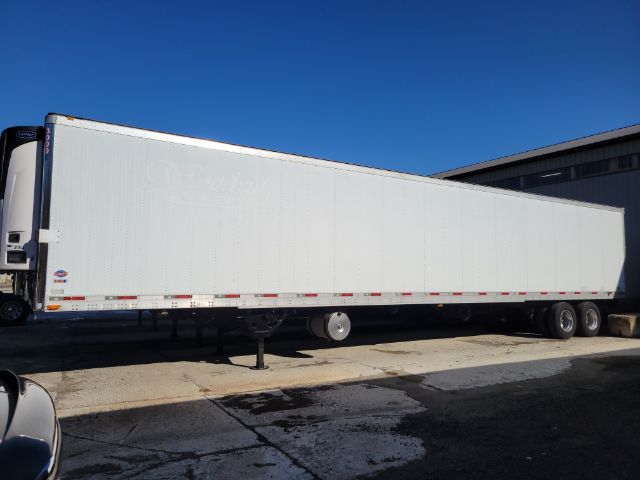
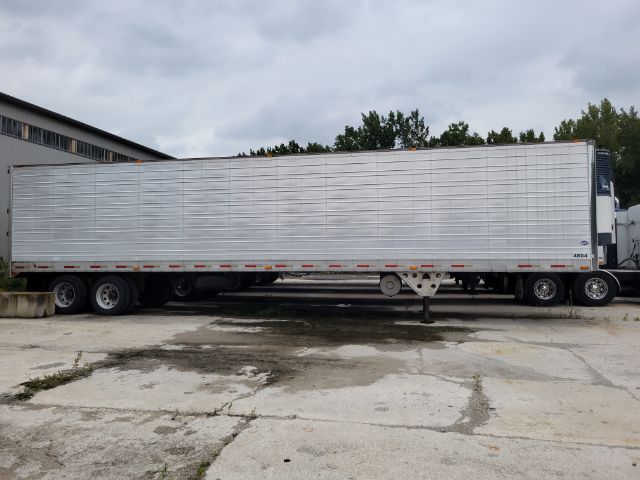
For reefer buyers, the refrigeration unit matters as much as the trailer itself. Common setups include Carrier or Thermo King units, and buyers usually want to confirm pull-down performance, low-temp capability, engine hours, service history, and whether the trailer holds setpoint consistently under load. Floor style is another major checkpoint. Heavy duty duct floors and T-duct floors affect airflow, pallet compatibility, and washout durability. Look closely at insulation, interior liner condition, door seals, threshold plates, vent setup, and signs of moisture intrusion. Sliding tandems, aluminum wheels, LED lighting, and stainless front or rear trim are common features, but watertight doors, sound floors, and a unit that passes a real cold test are worth more than cosmetic add-ons.
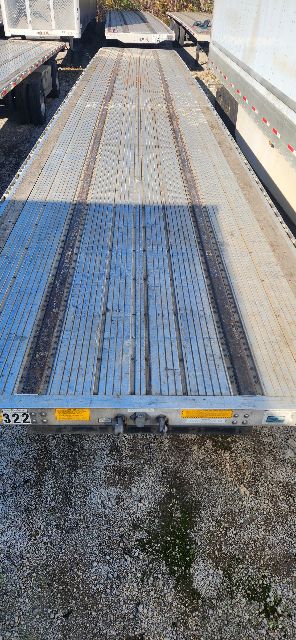
Flatbed trailer shoppers should focus on deck condition, frame integrity, crossmember spacing, tire and brake life, and how the trailer is spec'd for securement. Combo flatbeds are popular because they balance weight savings with durability, usually pairing an aluminum deck structure with steel in key stress areas. Length is often 48 feet or 53 feet, and application determines what matters most next. A steel hauler may prioritize concentrated load rating and deck wear, while general commodity freight may put more emphasis on tare weight, rub rail condition, stake pockets, chain slots, and overall maintenance. Clear title status, current inspection readiness, and absence of structural damage are always worth verifying before you compare price alone.
In Northwest Indiana, buyers often shop trailers with regional lanes, cold-chain freight, manufacturing freight, and Chicago-area compliance in mind. That makes practical details important. Check outside height if dock access or route restrictions matter. Confirm tire size, suspension type, brake condition, and axle slide travel if you run variable state bridge laws or heavy pallet counts. On older used trailers, condition is usually determined by maintenance habits more than model year. A well-kept trailer with documented service, solid running gear, dry interior, and no hidden structural issues will usually deliver better value than a newer trailer that has been neglected.
Frequently Asked Questions about Trailers Near Schererville, Indiana
What should I check first when buying a used reefer trailer?
Start with the refrigeration unit, floor, doors, and insulation. A used reefer trailer needs to hold temperature consistently, pull down to the required setpoint, and show no major signs of air leaks or moisture intrusion. Buyers should also inspect unit hours, maintenance records, duct floor condition, interior liner damage, door seals, tandem slide operation, and overall roadworthiness including brakes and tires.
What is the difference between a reefer trailer and a dry van trailer?
A reefer trailer is insulated and equipped with a refrigeration unit for hauling temperature-sensitive freight, while a dry van trailer is not temperature controlled. Reefer trailers typically have insulated walls, specialized floors for airflow, tighter door seals, and higher maintenance costs because the cooling unit adds another major system to service. Dry vans are generally simpler and lighter, but they are not suited for frozen or refrigerated loads.
Why does flatbed trailer construction matter so much?
Flatbed construction affects payload, durability, and long-term repair cost. An all-steel flatbed may offer rugged strength but usually weighs more, while a combo flatbed reduces tare weight and can improve payload capacity. Buyers should inspect the deck, main beams, crossmembers, rub rails, stake pockets, and securement points because flatbeds see heavy forklift traffic, chain use, and concentrated loading that can expose weak or poorly repaired areas.
Are 48-foot and 53-foot trailers the most common lengths?
Yes. In the used trailer market, 48-foot and 53-foot lengths are among the most common for both reefer and flatbed applications. A 53-foot trailer usually offers maximum deck or cube for standard over-the-road freight, while a 48-foot trailer can still be a strong fit for regional work, certain customer docks, and operations that do not need the extra length. The right choice depends on freight profile, route restrictions, and shipper requirements.
How important is axle configuration on a used trailer?
Axle configuration is a major buying factor because it affects weight distribution, bridge compliance, tire wear, and maneuverability. Tandem axles with a sliding suspension are common on road trailers because they let operators adjust kingpin-to-axle spacing for legal loading and customer dock conditions. Buyers should confirm that the slider rails, pins, bushings, and suspension components are in good condition since wear in these areas can create expensive repairs and downtime.