
Trailers For Sale in Saskatchewan
Have trailer to sell? List it here to reach thousands of buyers.
Trailers in Saskatchewan
Refrigerated trailers add another layer of buying criteria beyond the box itself. Reefer buyers need to look closely at insulation integrity, unit hours, evaporator condition, floor design, and whether the trailer is set up for multi-temp, chute use, or high-cube freight. In Saskatchewan, cold weather performance matters in both directions. A reefer may be used to protect frozen loads in summer and temperature-sensitive freight from freezing in winter. Pay attention to tire size, suspension type, wheel spec, and roof construction, but also verify door seals, fuel tank condition, and the service history of the refrigeration unit. A clean reefer body with poor unit maintenance can become an expensive trailer quickly.
Utility trailers and open-deck configurations appeal to buyers hauling machinery, building materials, pipe, or irregular freight that does not fit inside a van body. Even when listings are light on details, core questions stay the same: deck length, deck height, axle rating, brake type, tire condition, and tie-down provisions. On any trailer class, Saskatchewan operators should also consider corrosion exposure from winter roads, availability of replacement components, and whether the trailer's suspension and axle spread fit the routes and payloads they run most often. Sliding tandems, air brakes, hub-piloted wheels, and standard 22.5 rubber are common because they simplify service and parts availability.
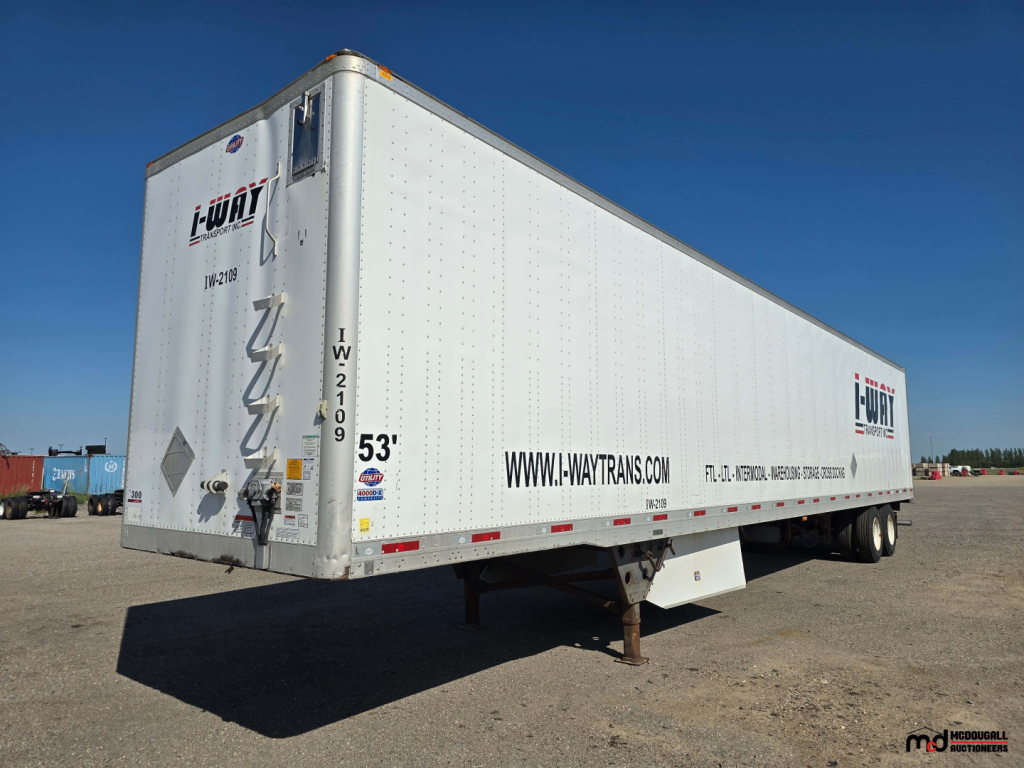
A good trailer spec is the one that matches the freight, not just the lowest purchase price. Empty weight affects payload, rear door style affects loading speed, and suspension choice affects both ride quality and maintenance cost. Buyers comparing trailers for sale should pay close attention to GVWR, tare weight, floor wear, roof condition, brake system health, and signs of previous structural repair around the kingpin area, tandem rails, rear frame, and crossmember attachment points. Those details have more impact on uptime and resale than paint or model year alone.
Frequently Asked Questions about Trailers in Saskatchewan
What types of trailers are most common for sale in Saskatchewan?
Dry van trailers, refrigerated trailers, and utility or open-deck trailers are among the most common categories. Dry vans handle general freight and dock-to-dock work, reefers are used for temperature-controlled freight, and utility trailers serve machinery, materials, and freight that needs top or side loading. In Saskatchewan, buyers often favor practical specs such as sliding tandems, air brakes, standard tire sizes, and widely supported components because serviceability matters in both regional and long-haul use.
What should I inspect first on a used dry van trailer?
Start with the structure and wear items that affect safety and operating cost. Check the frame, kingpin area, tandem slider rails, suspension mounts, crossmembers, floor condition, roof bows, rear frame, and door opening for repairs or distortion. Then inspect brakes, tires, hubs, lights, and air system leaks. On a van trailer, a worn floor, damaged scuff liner area, or rear frame fatigue can be more important than age alone because those problems directly affect loading, unloading, and long-term durability.
What matters most when buying a reefer trailer?
The refrigeration unit and the trailer body have to be evaluated together. Buyers should verify engine hours, maintenance records, cooling performance, fuel tank condition, unit alarm history, and evaporator condition. The trailer itself should be checked for insulation damage, floor wear, door seal condition, and evidence of water intrusion. A reefer with a clean box but poor unit history can create high repair costs, while a strong unit on a damaged insulated body may still struggle to hold temperature.
Is a sliding tandem important on a trailer?
Yes, for many fleets it is a major practical advantage. A sliding tandem helps balance axle weights, meet bridge and jurisdictional requirements, and improve load placement flexibility. It can also make it easier to position the trailer at loading docks or adjust for different freight densities. Buyers should inspect the slider mechanism, pins, rail wear, and signs of impact or binding because tandem issues can affect both compliance and tire wear.
How do I choose between spring suspension and air-ride on a trailer?
Spring suspension is generally simpler and can be cost-effective for certain applications, while air-ride is often preferred for ride quality and cargo protection. Air-ride can help reduce shock to sensitive freight and is common on many highway trailers, but it adds components that need inspection and maintenance. The right choice depends on cargo type, road conditions, expected maintenance approach, and whether the trailer will be used in general freight, food service, construction support, or specialized hauling.