
Trailers For Sale Near San Antonio, Texas
Have trailer to sell? List it here to reach thousands of buyers.
Trailers Near San Antonio, Texas
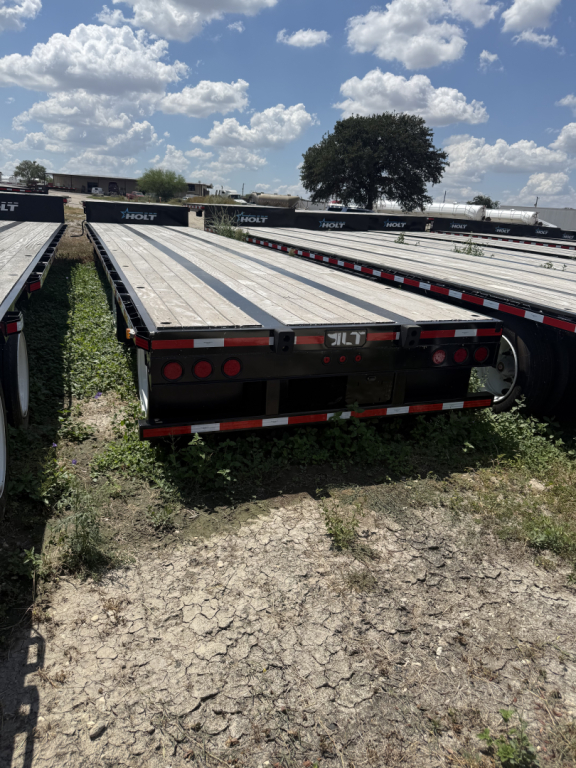
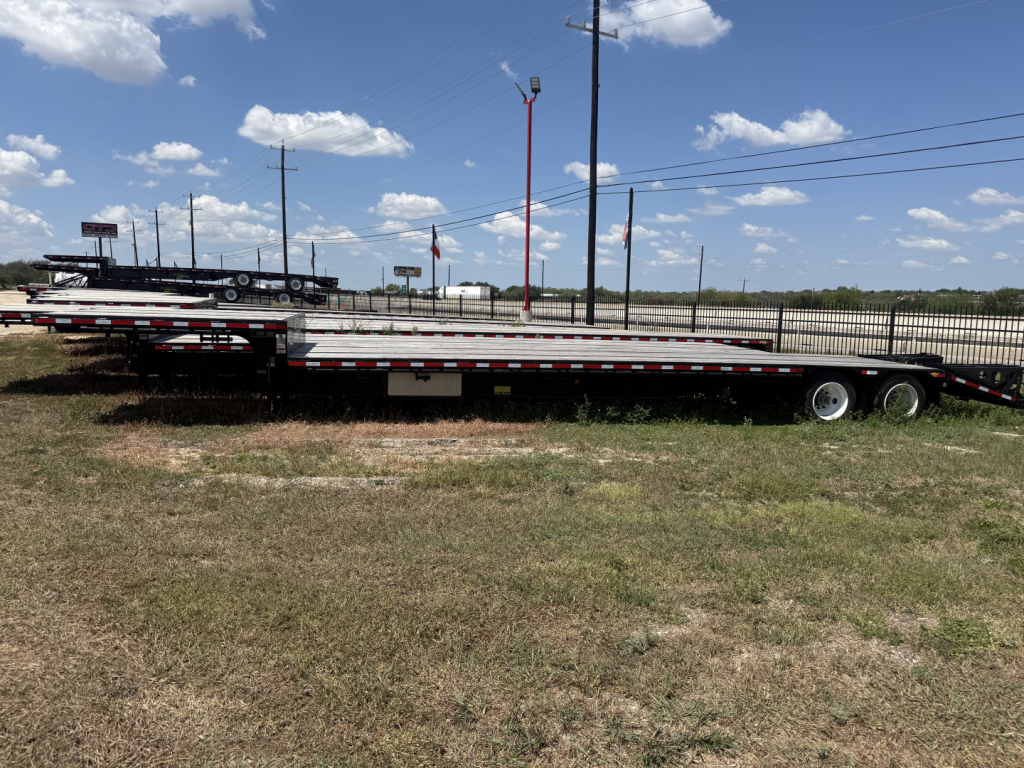
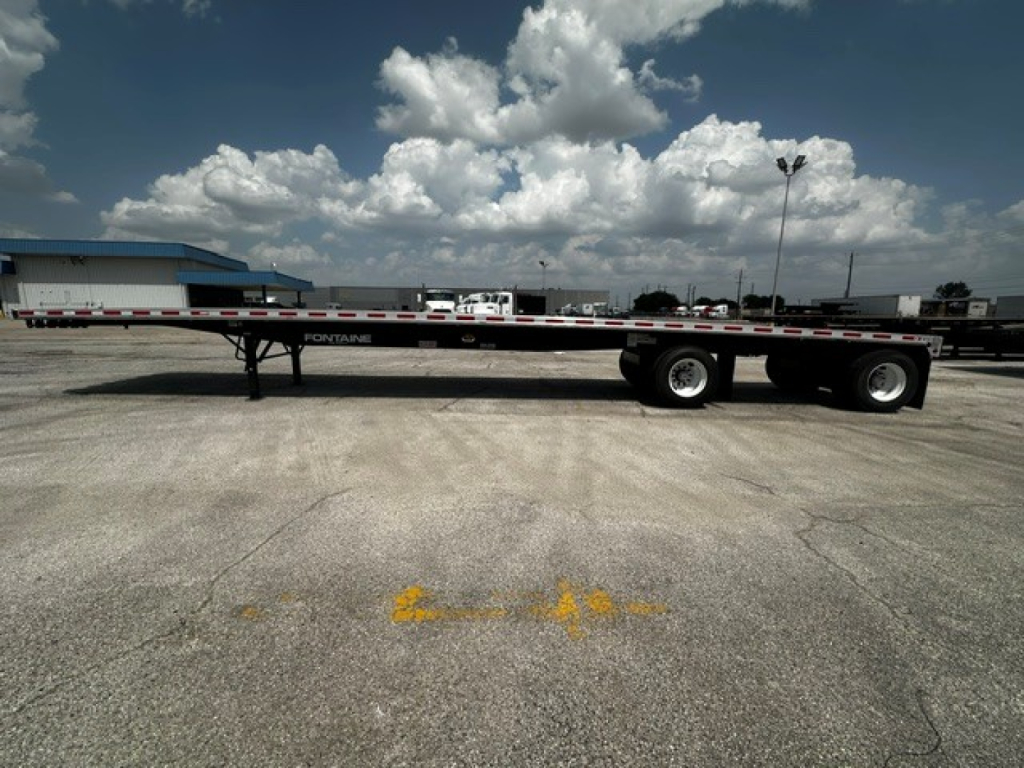
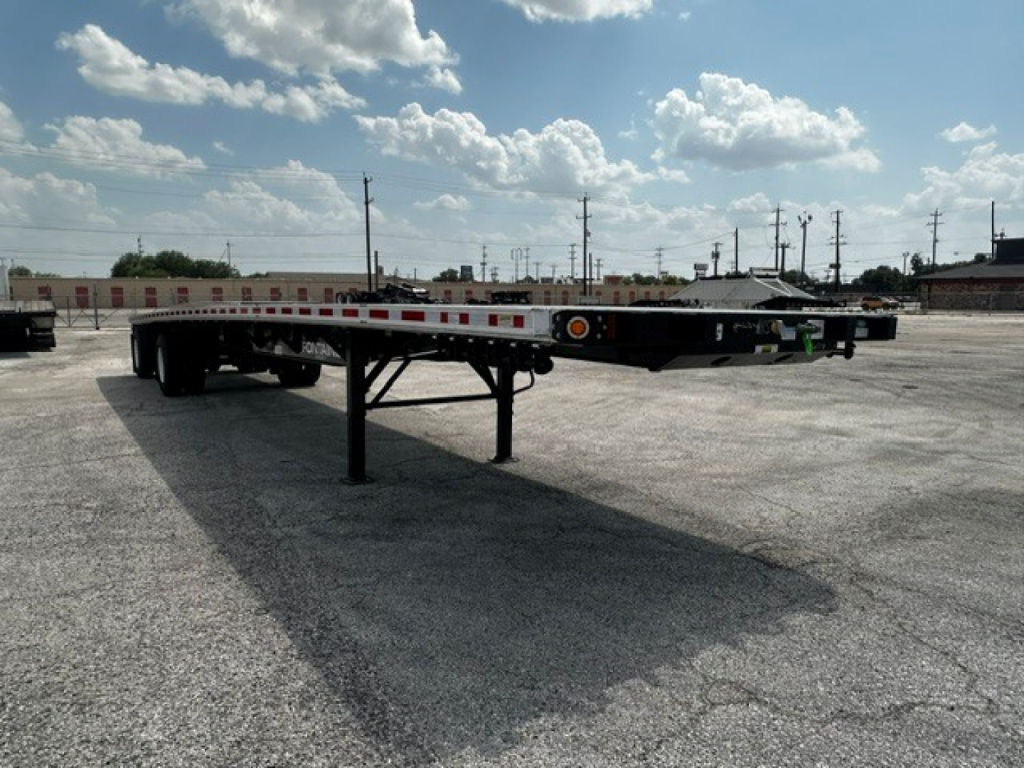
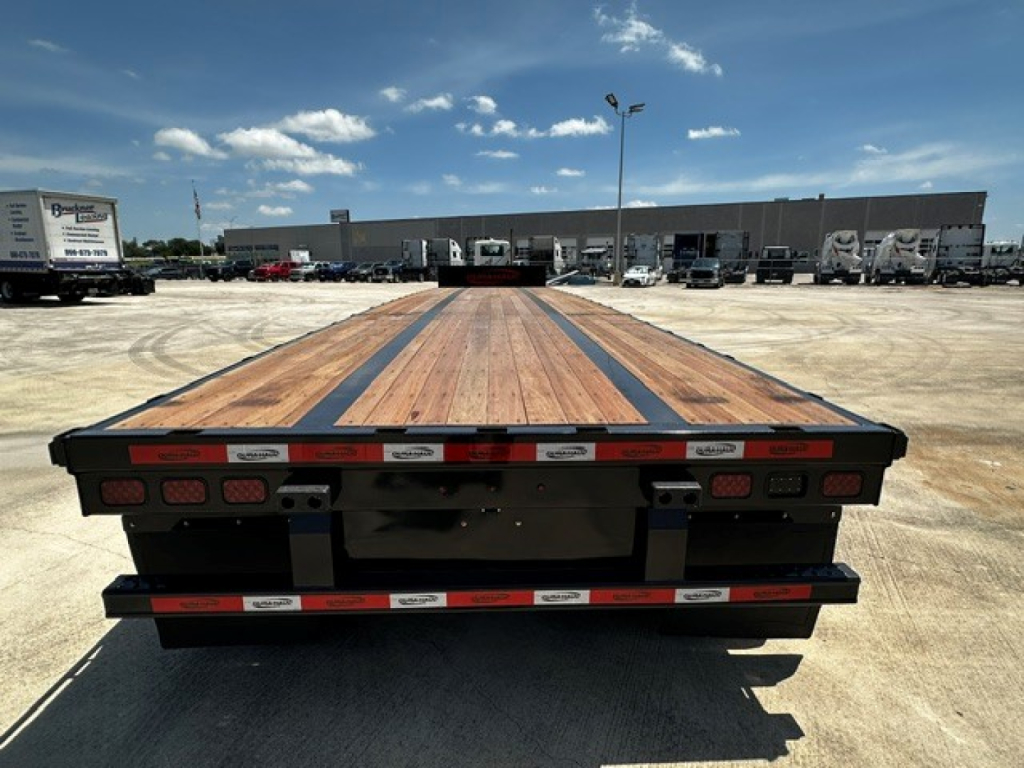
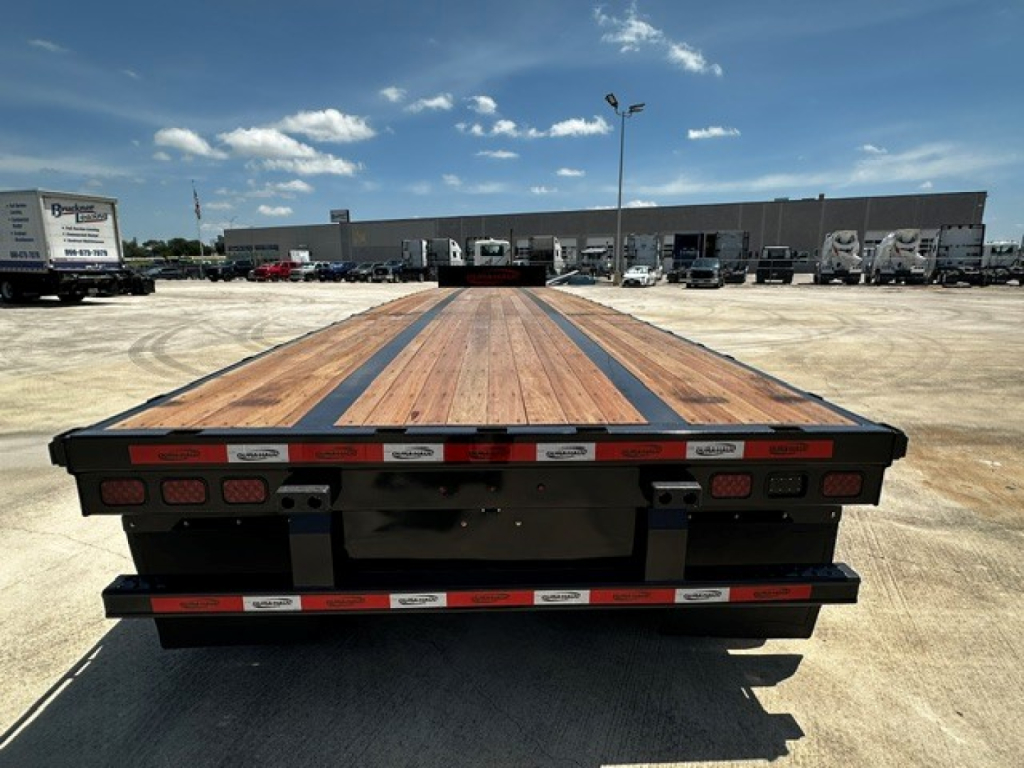
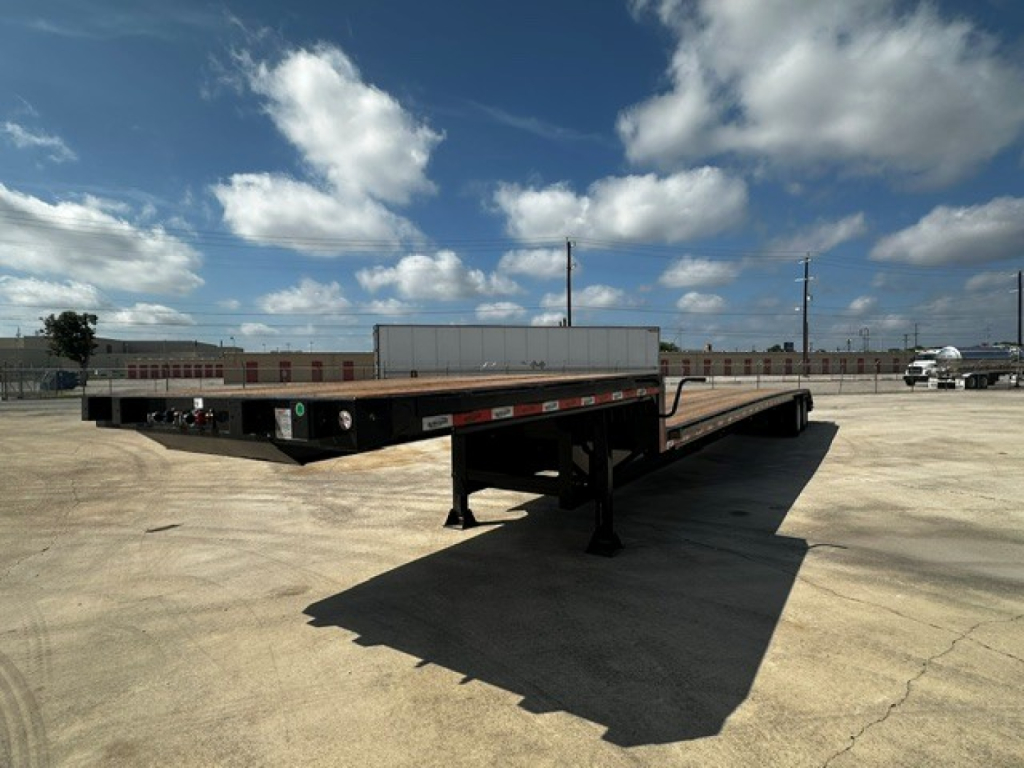
For open-deck freight, flatbed trailers remain one of the most versatile choices. Common specs include 48-foot lengths, 102-inch width, aluminum or steel-aluminum combo construction, tandem axle layouts, and air ride suspensions with fixed or sliding rear axles. Key details that matter on a flatbed include floor type, winch track setup, chain tie-down count, coil package options, and axle spread settings for bridge law compliance. Combo flatbeds are popular because they balance tare weight and durability, while all-aluminum models prioritize payload and all-steel versions can make sense in harder-use environments. Buyers hauling steel, lumber, pipe, machinery, or palletized freight should pay close attention to crossmember spacing, rail design, and securement hardware before comparing price alone.
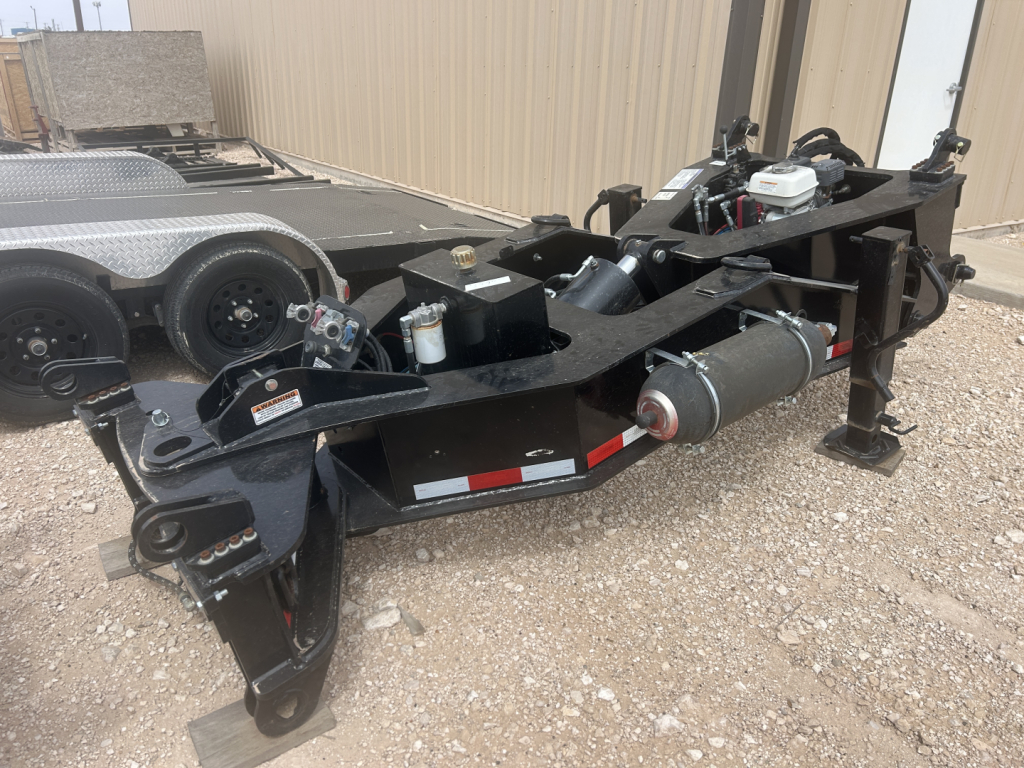
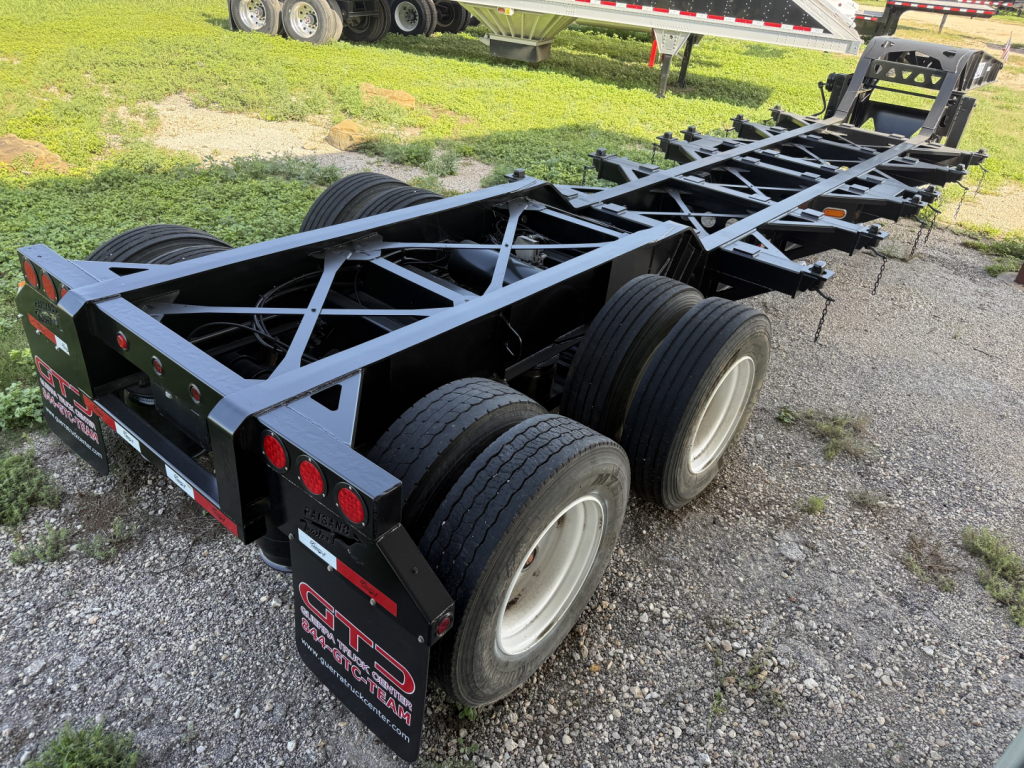
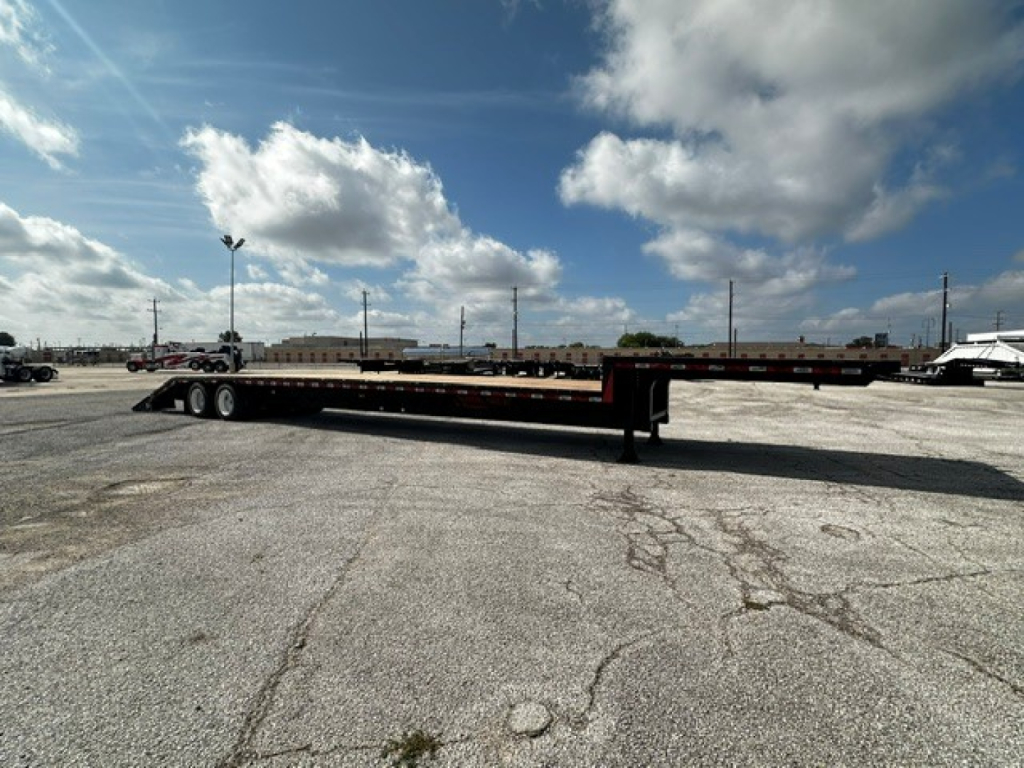
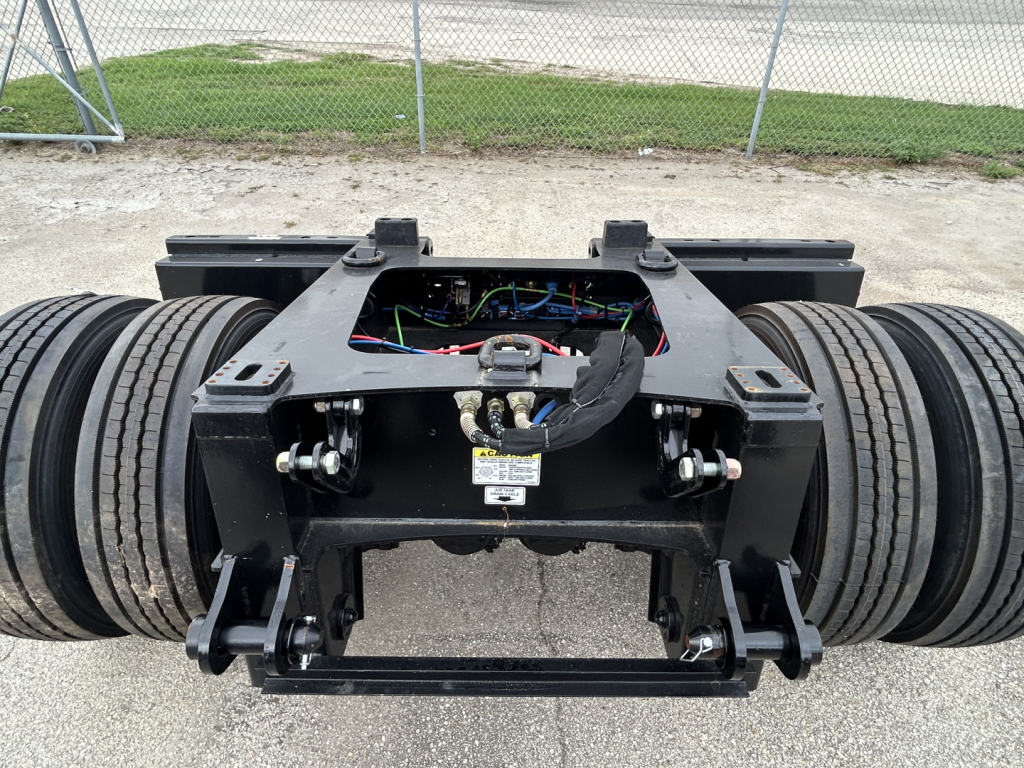
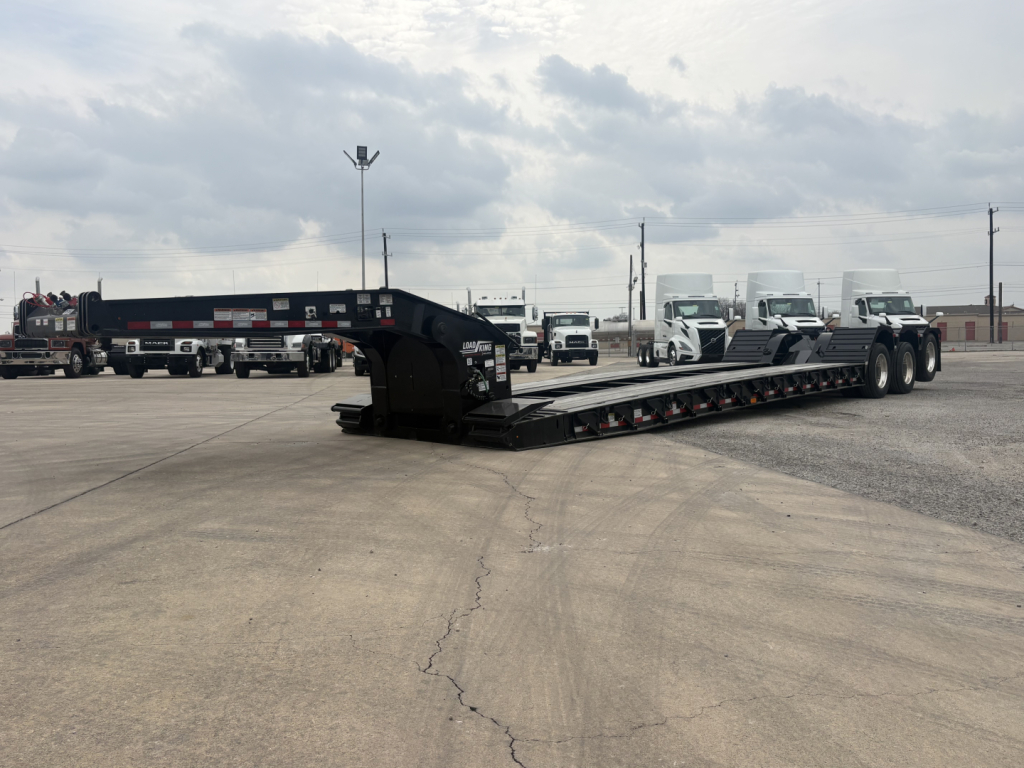
Lowboy trailers, also known as lowbed trailers, are built for taller and heavier equipment that cannot ride legally or safely on a standard deck. In this category, deck height is a major buying factor because a lower loaded deck helps with over-height equipment and can reduce permitting issues. Common specs include detachable goosenecks, 8-foot-6-inch legal width, 20-inch loaded deck heights, 26-foot deck sections, bucket wells, flip ramps, and tandem or tri-axle groups with air ride suspension. Buyers moving excavators, dozers, loaders, paving equipment, or cranes should compare ton rating, axle capacity, neck length, ramp design, frame reinforcement, and hydraulic system setup. A 55-ton or 60-ton lowboy may look similar on paper to another trailer, but loaded stability, ground clearance, and neck connection design can make a real difference in daily use.
Dump trailers are another strong fit for the San Antonio market, especially for aggregate, asphalt, demolition, dirt, and site work. End dumps commonly come in 39-foot or 40-foot lengths with tandem axles, spring or air ride suspension, electric or manual tarp systems, and body options that affect both payload and durability. Important buying points include cubic yard capacity, liner and slope sheet configuration, gate seals, push block design, hoist performance, and overall empty weight. Aluminum bodies can maximize payload, while steel components in high-wear areas help with long-term durability. Across all trailer types, smart buyers should verify brake type, tire size, wheel material, kingpin setting, lighting, toolbox provisions, and any features that affect maintenance access, resale value, or state compliance.
Frequently Asked Questions about Trailers Near San Antonio, Texas
What types of trailers are most common in the San Antonio, Texas market?
San Antonio commonly sees strong demand for flatbed trailers, lowboy trailers, and dump trailers because they support construction, heavy equipment transport, aggregate hauling, oilfield work, and regional freight. Flatbeds handle general open-deck cargo, lowboys are used for taller and heavier machinery, and dump trailers are built for bulk materials such as dirt, rock, and asphalt. The local market often favors durable vocational specs that can handle heat, jobsite conditions, and frequent short-haul cycles.
How do I choose between a flatbed, lowboy, and dump trailer?
The decision comes down to cargo type, loading method, and legal height or weight requirements. A flatbed is best for palletized freight, steel, lumber, pipe, and equipment that can be loaded from the side or top. A lowboy is the right choice for heavy machines and taller equipment that need a lower deck height and higher concentrated load capacity. A dump trailer is built for loose material that must be unloaded by raising the body. Buyers should start with the freight they haul most often, then compare payload, tare weight, securement needs, and road restrictions.
What trailer specs matter most when comparing listings?
The most important specs depend on trailer type, but buyers should consistently review axle count, axle rating, suspension, brake type, trailer weight, dimensions, and construction material. On flatbeds, tie-down equipment, axle slide range, and floor design are critical. On lowboys, deck height, ton rating, gooseneck design, and reinforcement details matter most. On dump trailers, body capacity, liner setup, tarp system, hoist configuration, and empty weight often drive long-term value. These specs affect legal payload, ease of loading, service life, and resale.
Is air ride or spring ride better for a trailer?
Air ride generally provides better ride quality and can reduce cargo shock, which is important for machinery, freight, and some specialized applications. It can also help with load protection and ride height management. Spring ride is simpler and often valued for rugged vocational work where cost and mechanical simplicity matter. Dump trailers frequently use spring ride in severe-duty service, while flatbeds and lowboys commonly use air ride for improved stability and road manners. The better choice depends on trailer application, maintenance preference, and operating conditions.
Why does trailer weight matter so much when buying?
Trailer weight directly affects payload and operating efficiency. A lighter trailer can legally carry more cargo, which matters on every trip where weight is the limiting factor. At the same time, the lightest trailer is not always the best option if the job requires extra reinforcement, severe-duty components, or heavy concentrated loads. Buyers should compare tare weight against the intended use, because a trailer built too light for the application may cost more later in repairs, while an overbuilt trailer may reduce revenue by giving up payload.