
Trailers For Sale Near San Angelo, Texas
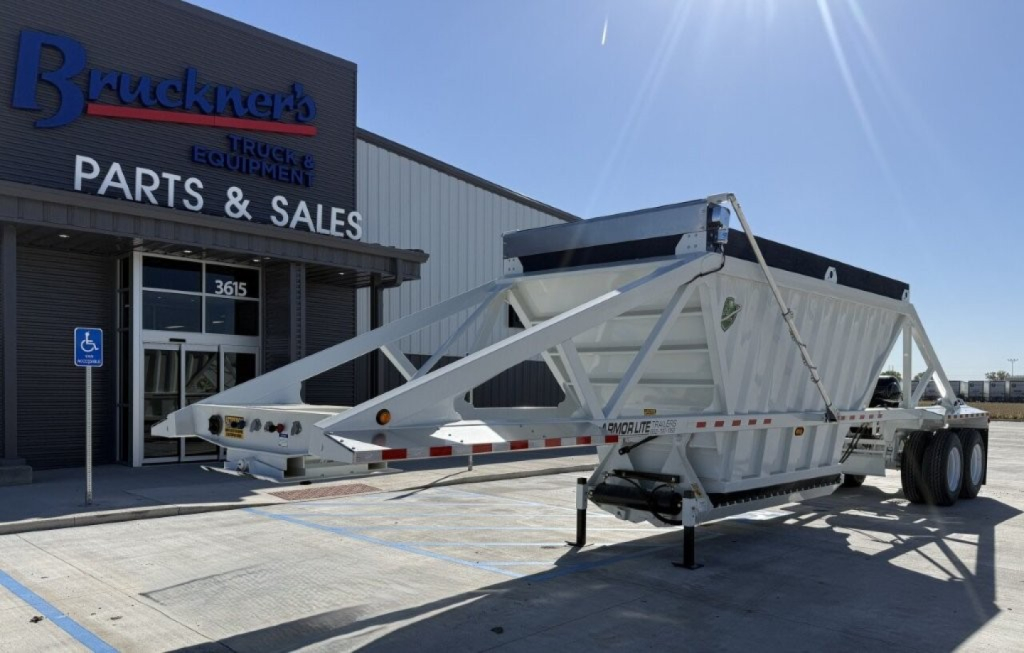
Have trailer to sell? List it here to reach thousands of buyers.
Trailers Near San Angelo, Texas
For many operations, the biggest buying decision is structure and weight. Aluminum trailers reduce tare weight and can improve legal payload, while steel construction often appeals to buyers prioritizing durability in severe-duty work, off-road loading, or rough jobsite conditions. Axle count, spread configuration, suspension type, brake spec, tire size, wheel material, and kingpin setting all affect maneuverability, bridge compliance, maintenance cost, and how the trailer matches with your tractor. On vocational and aggregate trailers, details like side height, cubic yard capacity, liner options, electric or pneumatic tarp systems, and spring versus air ride matter as much as brand name.
A buyer comparing trailers should also look closely at serviceability and application fit. Flatbeds and step decks may need coil packages, sliding winches, toolboxes, and load securement flexibility. Dump trailers often need the right hoist geometry, gate design, body width, and floor thickness for rock, sand, demolition, or asphalt. Dry vans and reefers are usually judged on floor condition, door hardware, roof integrity, suspension wear, and, for refrigerated units, the condition and hours of the reefer unit. Tank and bulk trailers require extra attention to lining, compartment layout, pump or discharge equipment, and compliance requirements tied to the product hauled.
Texas operators also tend to factor in heat, long mileages, and mixed road conditions. That makes tire condition, brake wear, lighting, wiring protection, hub and bearing service history, and corrosion resistance worth checking on any trailer category. A good trailer is not just rated to carry the load. It should match your lanes, loading equipment, maintenance practices, and revenue model. Buyers who compare GVWR, tare weight, frame design, body material, suspension, and commodity-specific features side by side usually make the strongest long-term purchase.
Frequently Asked Questions about Trailers Near San Angelo, Texas
What should I look at first when buying a trailer?
Start with the application. Payload, commodity type, loading method, and route profile should determine the trailer style, axle configuration, and material choice. Once the application is clear, compare tare weight, GVWR, body or deck dimensions, suspension type, brake setup, and any commodity-specific options such as tarps, liners, ramps, reefer units, or discharge equipment.
Is an aluminum trailer better than a steel trailer?
Neither is automatically better. Aluminum trailers generally weigh less, which can increase legal payload and improve fuel efficiency in some applications. Steel trailers are often preferred in punishing environments where impact resistance and repair familiarity matter more than weight savings. The better choice depends on what you haul, how often you run heavy, and how rough your loading conditions are.
How important is suspension type on a trailer?
Suspension type affects ride quality, cargo protection, maintenance, and durability. Air ride is common when cargo sensitivity, ride quality, or dock height consistency matter. Spring ride remains popular in many vocational applications because of simplicity and toughness. Buyers should match suspension choice to freight type, road conditions, and maintenance capability rather than assuming one setup fits every operation.
What trailer specs have the biggest effect on payload and revenue?
Tare weight, axle count, body or deck dimensions, and overall trailer design have the biggest direct impact on payload and earning potential. A lighter trailer may let you haul more legal weight, but only if the structure is appropriate for the commodity. Cubic capacity also matters on volume-limited loads such as mulch or grain, while floor strength, axle spread, and legal bridge compliance matter more on dense freight.
How do I know if a trailer is matched correctly to my tractor and operation?
Check kingpin setting, fifth wheel height, axle spacing, brake and ABS compatibility, tire and wheel specifications, and the loaded operating height for your lanes. The trailer also needs to fit your loading infrastructure, commodity requirements, and maintenance program. A good match means the combination is legal, balanced, easy to maneuver, and practical to service in the type of work you do.