
Trailers For Sale Near Salisbury, North Carolina

Showing 1 to 24 of 75 results
Have trailer to sell? List it here to reach thousands of buyers.
Trailers Near Salisbury, North Carolina
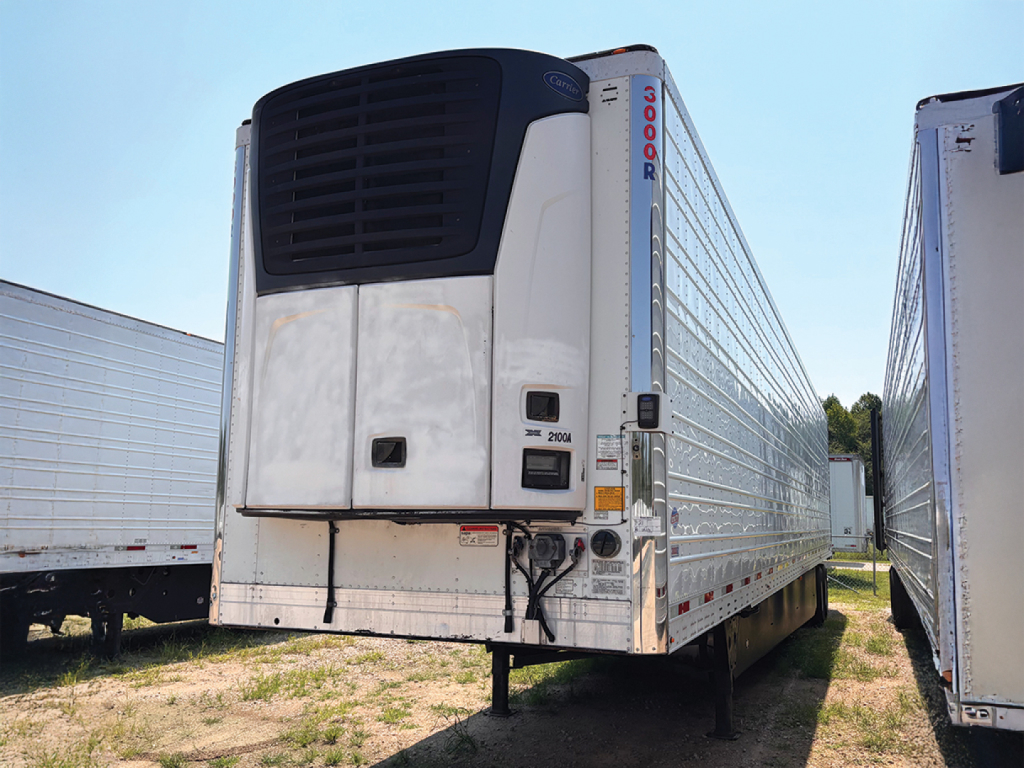
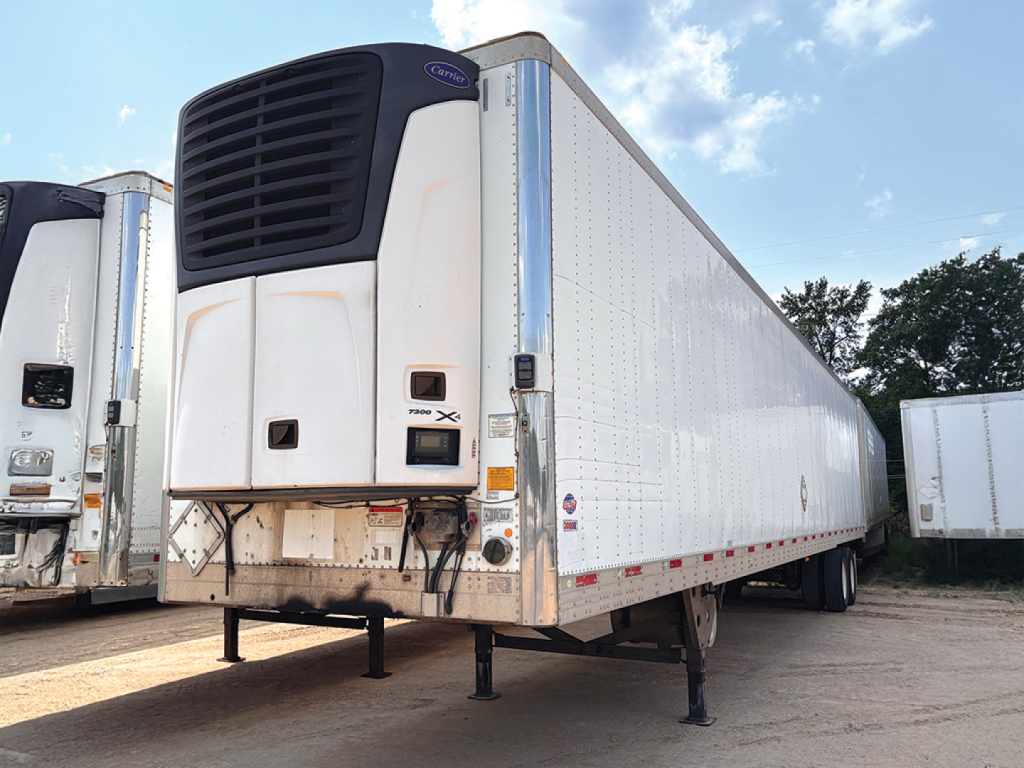
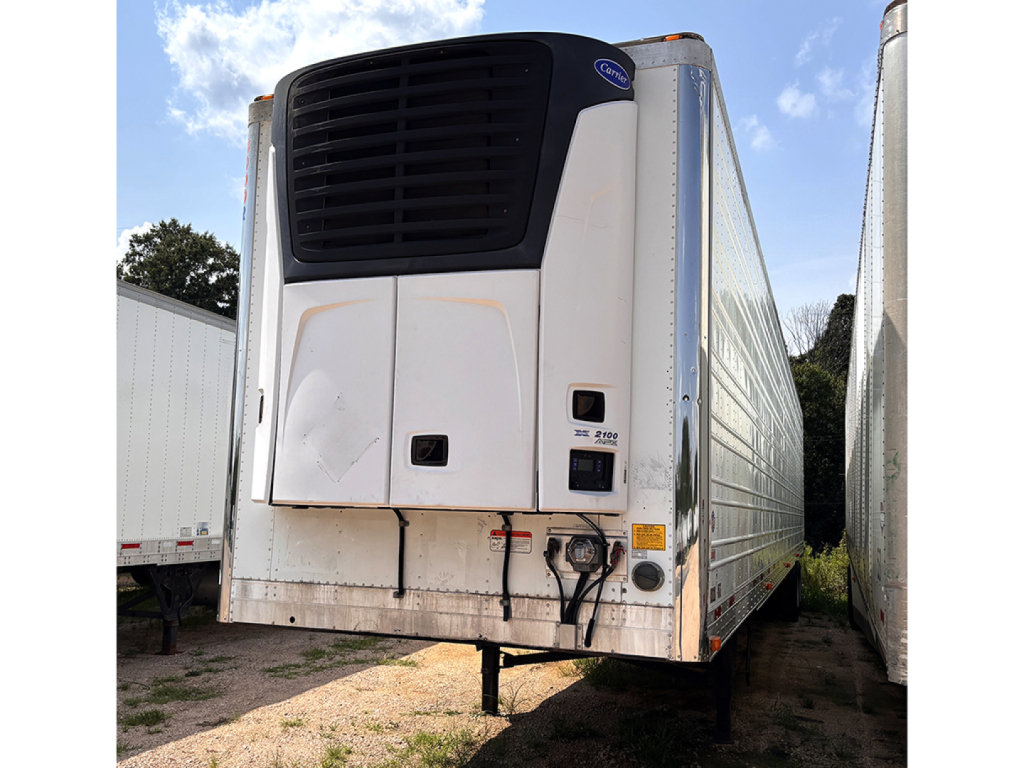
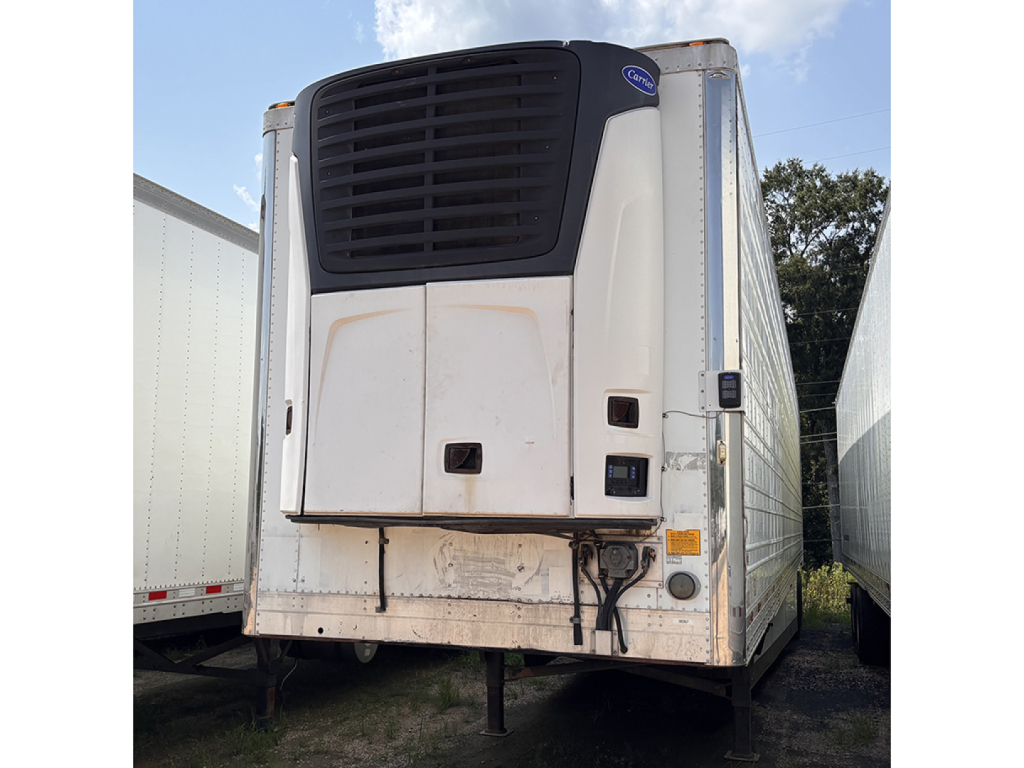
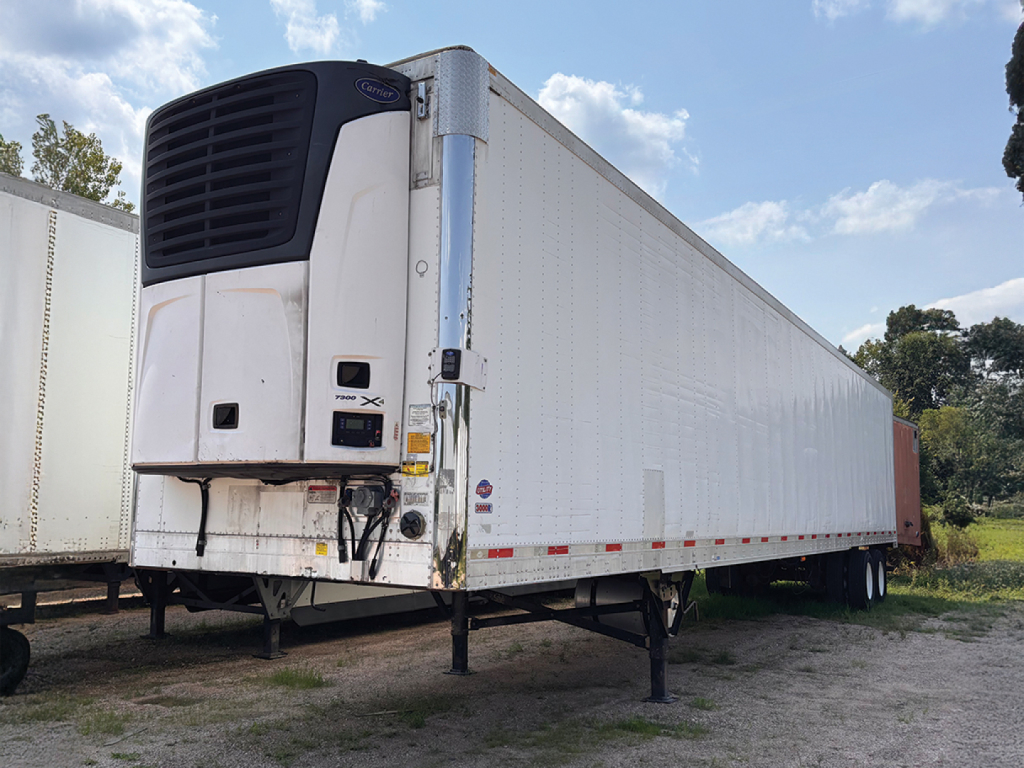
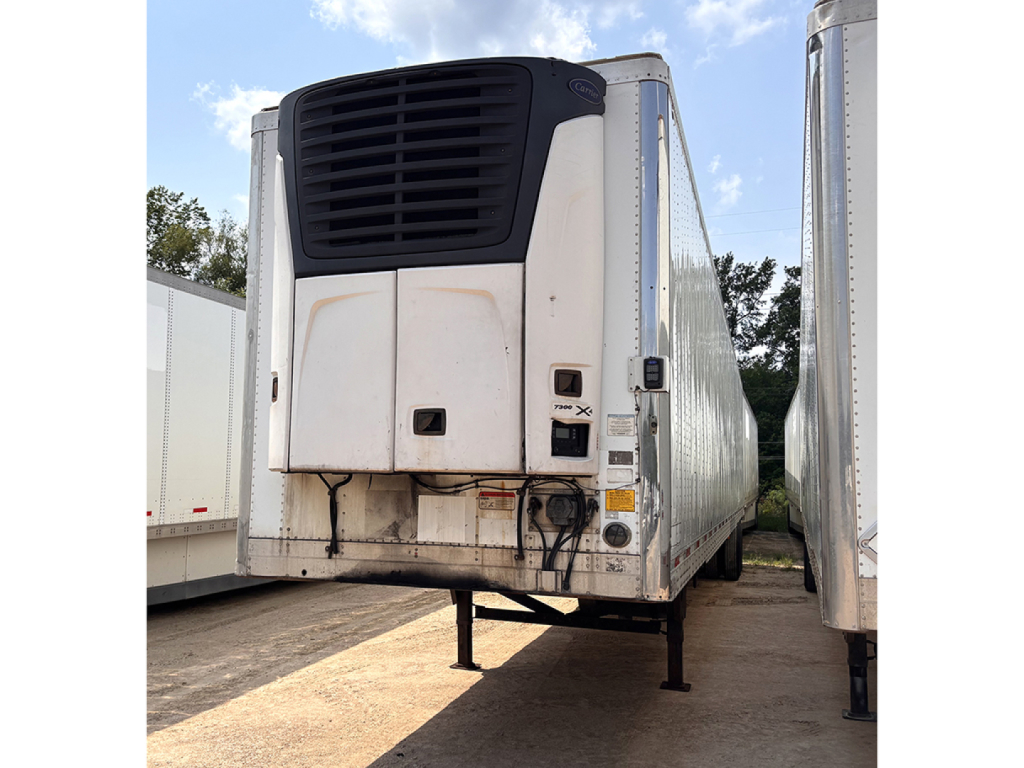
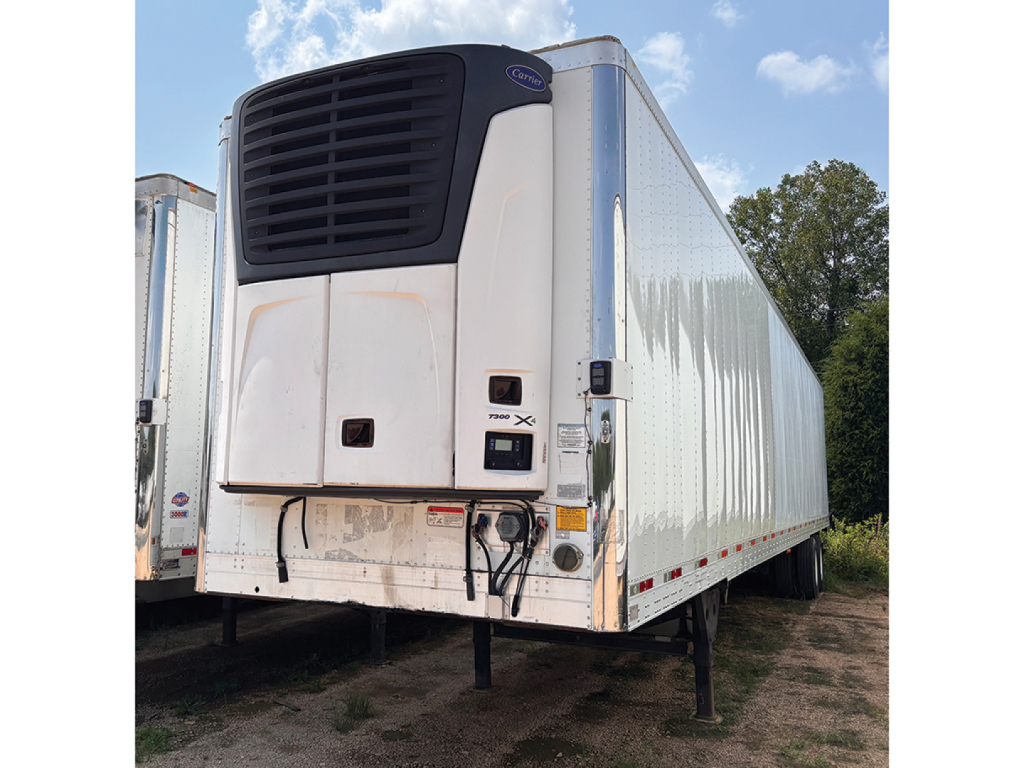
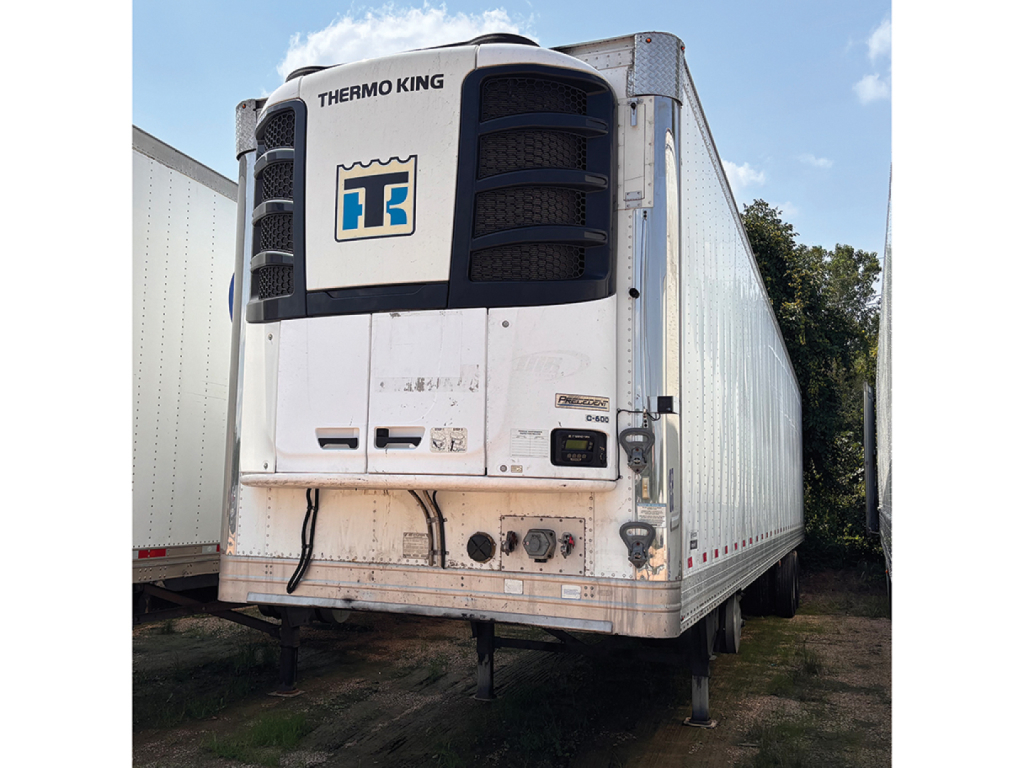
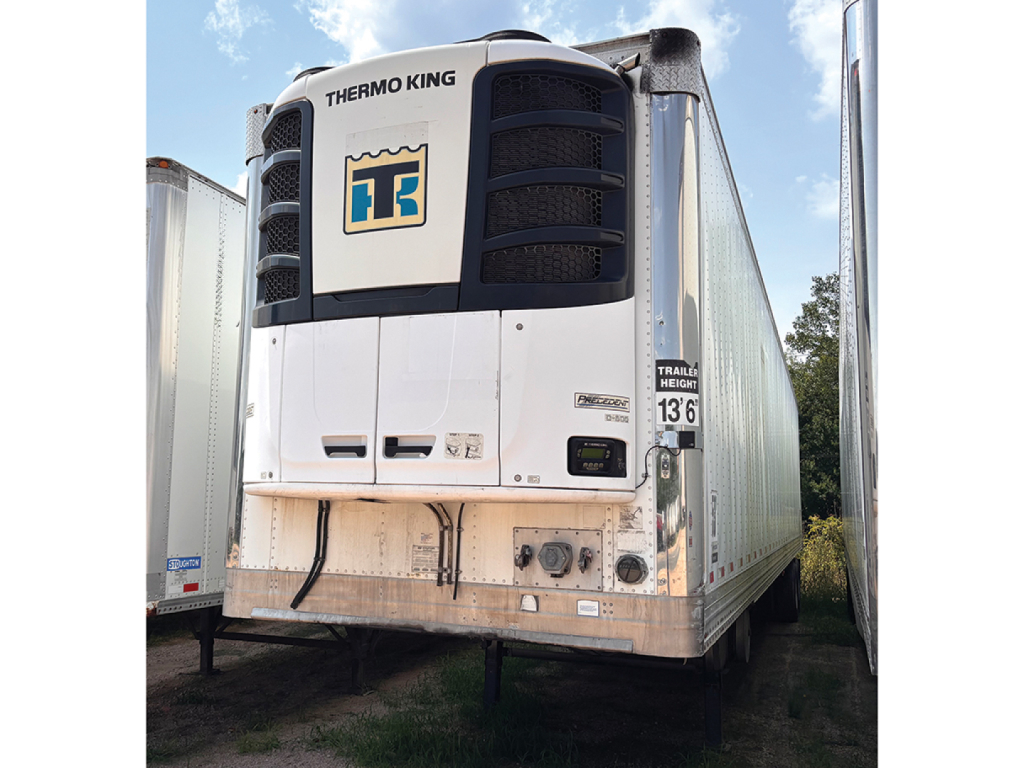
Reefer trailers, also known as refrigerated trailers, are among the most spec-sensitive categories because cargo protection depends on both the box and the refrigeration unit. Buyers typically compare Carrier and Thermo King units, duct or flat floors, cold chutes, scuff liners, stainless door frames, and swing or roll-up rear doors. Multi-temp configurations add flexibility for grocery and foodservice work, especially when curbside doors, bulkheads, or zone control are required. Suspension also matters. Air ride is preferred for many temperature-sensitive and packaged goods applications, while sliding tandem or spread axle layouts affect bridge compliance, weight distribution, and dock positioning. On used reefer trailers, buyers should pay close attention to unit hours, fuel system condition, evaporator performance, insulation integrity, floor wear, and signs of past wall or roof repairs.
Tank trailers are a different buying process altogether because the trailer has to match both product and regulatory requirements. Stainless steel tankers are common for chemical, food-grade, and liquid bulk service, with spec decisions centered on DOT 407 or other required designations, shell construction, compartment count, heating options, manway style, overfill protection, and rear or bottom discharge plumbing. Capacity is only part of the equation. The piping layout, pump compatibility, internal cleanliness, and evidence of corrosion or weld repairs can have a major impact on operating cost and inspection readiness. Buyers working regional lanes around North Carolina often also consider suspension type, frame material, and tire spec because these trailers may see a mix of highway miles, plant access roads, and time-sensitive loading windows.
A good trailer purchase comes down to matching trailer design to freight, lanes, and service expectations instead of buying only on age or price. In this category, that means looking closely at axle configuration, kingpin setting, floor and lining condition, door hardware, brake type, and any specialized equipment tied to the intended haul. Operators hauling produce, frozen freight, liquid bulk, retail freight, or industrial materials all need a different spec emphasis. The best-value trailer is usually the one with the right build for the work, a clean maintenance history, and components that can be serviced easily through your existing shop network or local dealer support in the Carolinas.
Frequently Asked Questions about Trailers Near Salisbury, North Carolina
What should I look for first when buying a used trailer?
Start with the intended application, then verify the trailer's core specifications match that work. Length, width, axle configuration, suspension, body material, floor type, and door setup should all support the freight you haul and the routes you run. After that, inspect structural condition, brake and tire wear, frame integrity, signs of repair, and how easy the major components will be to service locally.
What is the difference between a reefer trailer and a dry van trailer?
A reefer trailer is insulated and equipped with a refrigeration unit to maintain cargo temperature, while a dry van is built for general freight that does not need active cooling. Reefer trailers usually weigh more, cost more to maintain, and require closer inspection of floors, insulation, door seals, and unit hours. They are commonly used for produce, frozen food, dairy, pharmaceuticals, and other temperature-sensitive freight.
How do I choose the right tank trailer specification?
Tank trailer selection should begin with the product being hauled and the regulatory requirements attached to it. Buyers need to confirm the correct DOT code, barrel material, compartment design, discharge method, heating needs, and overfill protection equipment. It is also important to inspect piping, valves, manways, welds, and the cleanliness or contamination history of the barrel, especially for chemical or food-grade service.
Why does axle configuration matter on a trailer?
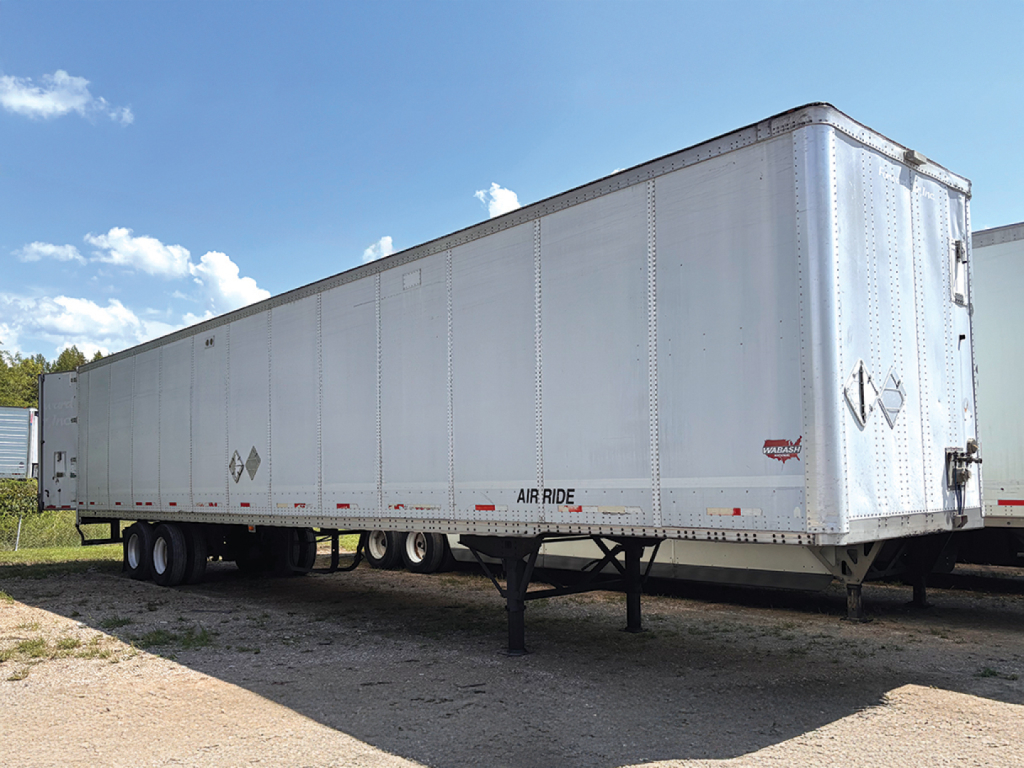
Axle configuration affects legal weight distribution, bridge law compliance, tire wear, maneuverability, and loading position at the dock or plant. Sliding tandems are common on van and reefer trailers because they give operators flexibility across different states and load profiles. Spread axles can improve weight distribution in some applications, but they may reduce maneuverability in tight yards and increase scrub on certain turns.
Are aluminum trailers better than steel trailers?
Aluminum trailers are popular because they reduce tare weight and can improve payload capacity, especially in van, reefer, and tanker applications. Steel can still be the right choice in high-abuse environments where impact resistance and repair familiarity matter more than weight savings. The better option depends on freight type, corrosion exposure, maintenance practices, and the balance between upfront cost and long-term operating efficiency.