
Rolloff Trailers For Sale in New Jersey
Browse rolloff trailers for waste, scrap, and container hauling. Compare lengths, hoist compatibility, axle setups, and New Jersey job needs.
Learn more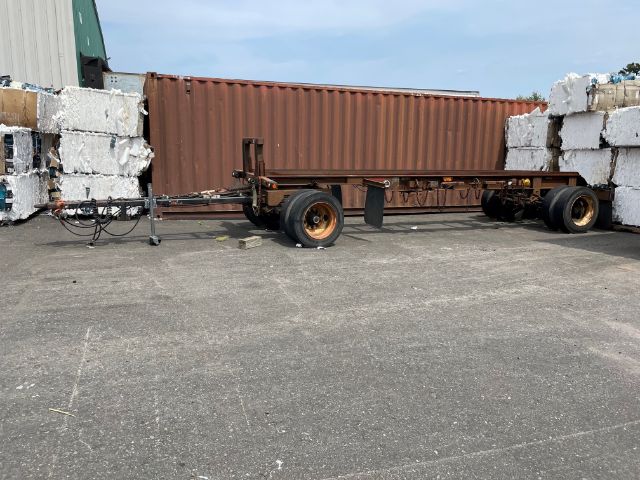
Have rolloff trailer to sell? List it here to reach thousands of buyers.
About Rolloff Trailers in New Jersey
Frame design and loading geometry matter on this category. Crossmember strength, rail construction, rear roller setup, winch or cable system condition, and hoist compatibility all affect how smoothly containers load and unload. Many rolloff trailers run 96-inch width with lengths that vary by intended box size, and buyers should confirm tongue length, overall trailer length, and clearance for tight urban sites before making a decision. In a dense market like New Jersey, maneuverability is a real purchasing factor, especially for contractors and waste haulers working alleys, transfer stations, and municipal routes with limited space.
Suspension, brakes, and lighting should be evaluated with the same seriousness as the body. Air ride and spring ride both appear in the market, while axle ratings, brake condition, auto slack adjusters, tire condition, and wheel-end service history all affect operating cost and uptime. LED lighting is a useful feature on a rolloff trailer because these trailers see hard use in dusty, wet, and low-visibility environments. If the trailer will run heavy demolition debris, scrap, or dense C&D material, buyers should pay close attention to GVWR, tare weight, and how the trailer balances container size against legal payload.
A good rolloff trailer match depends on the containers already in your fleet and the routes you run every week. Some operations need a straightforward pup trailer for a second can, while others need a heavier full-length unit designed for repetitive landfill cycles. Look closely at frame wear, roller wear, cable or hook system setup, landing gear condition, coupler style, and signs of twist or stress around the neck and rear section. The right trailer in this class should load consistently, track straight under weight, and fit the container system your trucks already use without constant adjustment.
Frequently Asked Questions
What is the difference between a rolloff trailer and a rolloff pup trailer?
A standard rolloff trailer is typically the primary trailer used to transport one container, often with a longer frame and higher overall carrying capacity. A rolloff pup trailer is a shorter trailer designed to haul a second container behind a truck or primary unit, which can improve trip efficiency for waste and scrap operations. The right choice depends on route length, site access, container size, and how your fleet is set up to load and unload boxes.
What should I check first when buying a used rolloff trailer?
Start with frame condition, rail wear, rear rollers, axle ratings, brake system condition, and compatibility with your container dimensions. Buyers should also inspect the coupler or hitch setup, tongue structure, lighting, suspension, tire condition, and any visible cracking or stress near high-load points. A trailer can look serviceable but still have costly wear in the loading system or structural areas that affects daily operation.
Are rolloff trailers used only for waste hauling?
No. Rolloff trailers are common in waste and recycling, but they are also used in scrap, demolition, construction debris, and some specialty container applications. Their value comes from moving detachable containers efficiently between job sites and disposal or processing facilities. The trailer needs to match the material type because dense scrap or demolition loads can stress a lighter trailer much faster than mixed municipal waste.
What trailer specs matter most for New Jersey rolloff work?
In New Jersey, maneuverability, legal weight compliance, and durability for short-haul stop-and-go use are especially important. Trailer length, tongue length, overall width, axle configuration, brake performance, and lighting all matter when working tight urban streets, industrial yards, and transfer stations. Buyers should also consider corrosion exposure from weather and road treatment, since that can accelerate wear on wiring, brakes, and structural components.