
Trailers For Sale Near Rhome, Texas
Have trailer to sell? List it here to reach thousands of buyers.
Trailers Near Rhome, Texas
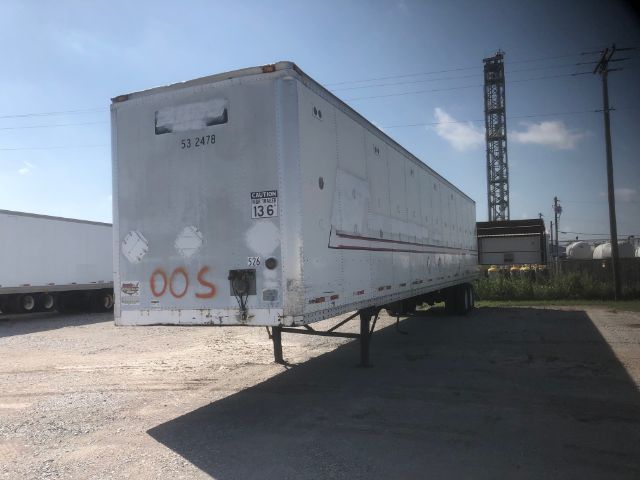
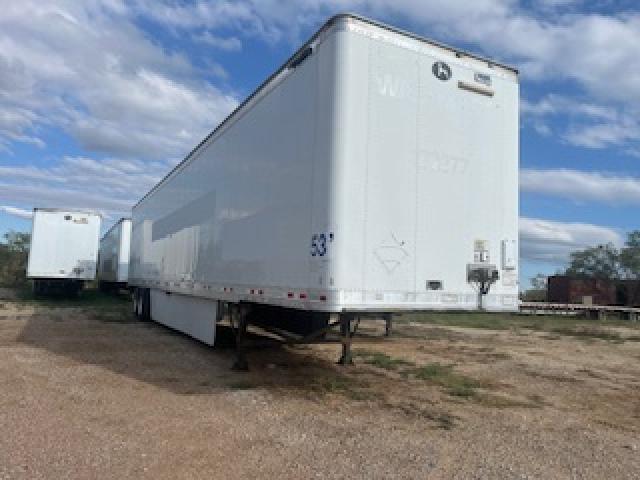
Dry van trailers, also called box trailers or enclosed freight trailers, are built for general palletized freight, retail loads, packaged goods, and route-sensitive cargo that needs weather protection without temperature control. Buyers comparing vans should pay close attention to floor condition, wall liner type, E-track or logistics equipment, rear frame material, and suspension spec. Air ride suspension is often preferred for ride quality and cargo protection, while spring suspension can still make sense in harder-use applications where simplicity and lower maintenance cost matter. Sliding tandem position, kingpin setting, tire size, wheel material, side skirts, and tire inflation systems all affect operating cost, weight distribution, and lane legality.
Reefer trailers add another layer of evaluation because the refrigeration unit and insulated body are just as important as the trailer chassis. A reefer used for produce, dairy, frozen foods, pharmaceuticals, or mixed-temperature freight should be checked for unit hours, service history, chute or air delivery setup, floor design, door seal condition, and overall insulation integrity. Heavy-duty aluminum duct floors, stainless front radius panels, stainless door frames, and clean interior lining are especially relevant on units that have spent time in food-grade service. In Texas heat, refrigeration performance, fuel efficiency, and the condition of the evaporator, bulkhead, and drain system can make a major difference in uptime.
For buyers sorting through many trailer listings, the best value usually comes from matching the trailer spec to the freight rather than chasing a single model year. A 53-foot van with logistics posts, scuff protection, air ride, and sliding tandems fits many for-hire and private fleet applications, while a reefer with a proven Carrier or Thermo King unit may justify a higher acquisition cost if temperature control is central to the route. Look closely at overall height, interior wear, undercarriage corrosion, brake and wheel-end condition, roof integrity, and evidence of hard dock use. In regional Texas operations, durability, serviceability, and compliance specs often matter more than cosmetic appearance.
Frequently Asked Questions about Trailers Near Rhome, Texas
What are the most common trailer types buyers compare in this category?
The most common trailer types are dry van trailers, reefer trailers, flatbed trailers, drop deck trailers, dump trailers, and other specialized freight trailers. Dry vans are used for general enclosed freight, while reefers are insulated and equipped with refrigeration units for temperature-sensitive cargo. The right choice depends on freight type, loading method, route length, and any weight, dock, or temperature-control requirements.
What trailer dimensions are most common for over-the-road freight?
For highway freight, 53-foot length, 102-inch width, and 13-foot 6-inch overall height are the standard dimensions buyers see most often, especially on dry vans and reefers. Those dimensions maximize legal cargo space in most applications while remaining compatible with standard docks, warehouse practices, and fleet routing. Buyers should still confirm bridge law considerations, tandem slide range, and local or state-specific operating limits.
What should I inspect first on a used dry van trailer?
Start with the floor, roof, rear frame, door operation, suspension, brakes, and tandem assembly. On a van trailer, floor condition and wall integrity directly affect how well the unit handles pallet jacks, forklifts, and repeated dock loading. It is also important to inspect scuff liners, logistics tracks, tire condition, wheel ends, and signs of water intrusion around the roof seams and rear door frame.
What matters most when buying a reefer trailer?
The refrigeration unit, insulated body, and service history are the top priorities. Buyers should review engine hours on the reefer unit, maintenance records, temperature performance, floor condition, chute setup, and the seals around doors and bulkheads. A reefer trailer can look acceptable from the outside and still have expensive issues tied to insulation loss, poor airflow, or deferred refrigeration service.
Is air ride or spring suspension better on a trailer?
Air ride suspension is generally preferred for ride quality and better cargo protection, especially on sensitive or higher-value freight. Spring suspension is simpler and can be durable in demanding service, but it usually delivers a harsher ride. The better option depends on the freight, maintenance program, operating terrain, and how important cargo protection is to the business using the trailer.