
New Utility Refrigerated Trailers For Sale
Shop new Utility refrigerated trailers built for cold-chain freight, with durable construction, air-ride suspension, and sliding tandem options.
Learn more
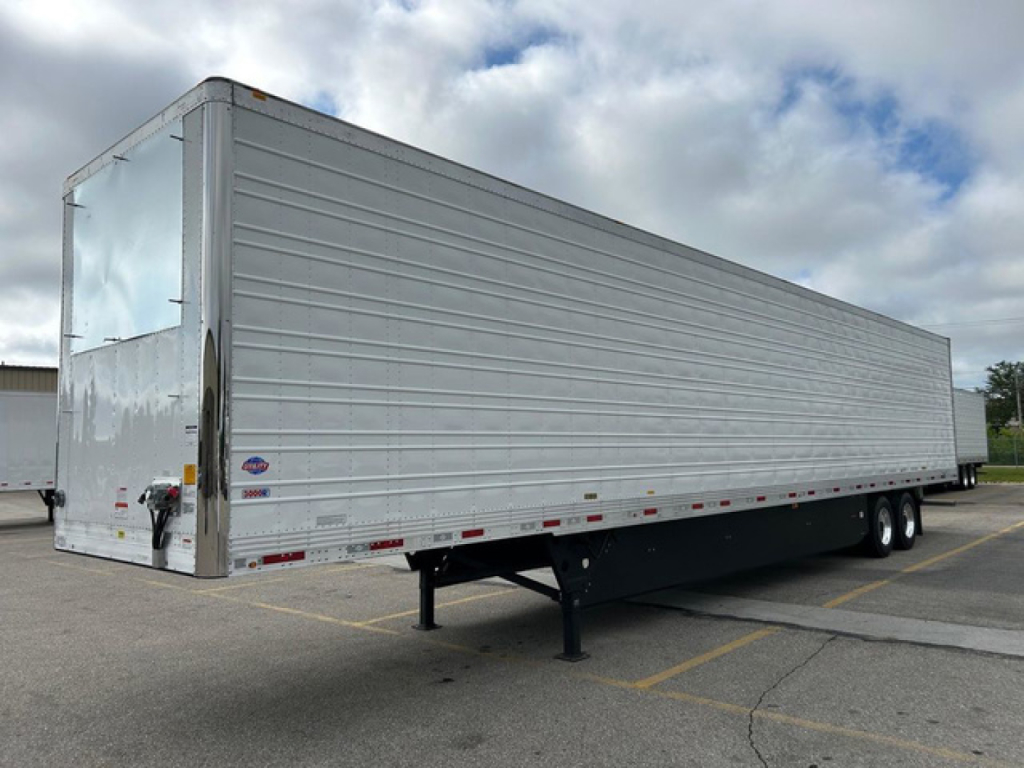
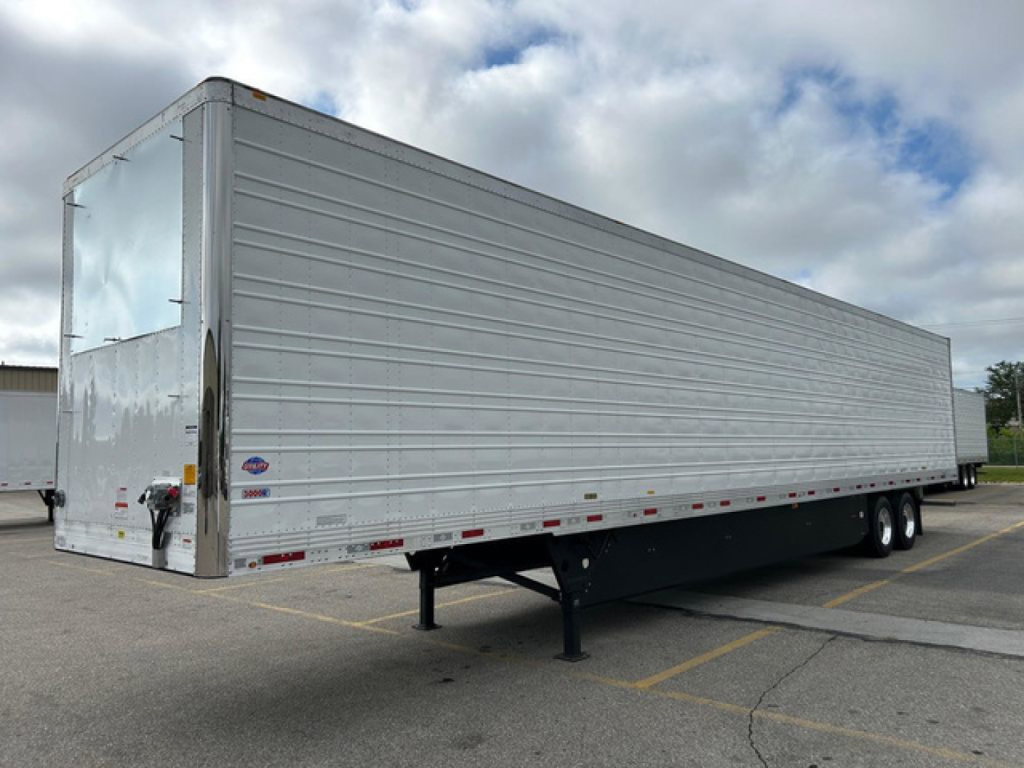
Showing 97 to 108 of 130 results
Have new utility refrigerated trailer to sell? List it here to reach thousands of buyers.
About New Utility Refrigerated Trailers
A buyer comparing new Utility reefer trailers should pay close attention to insulation package, interior width and height, floor construction, and door configuration. The trailer shell has a direct impact on pull-down times, temperature retention, and unit run efficiency. Common spec points include aluminum roof construction, ducted or channelized air delivery, aluminum wheels, 22.5-inch tires, and air-ride suspension. Sliding tandem axle settings remain important for bridge law compliance, dock approach, and load distribution across different states and lane profiles. Interior details such as scuff liners, logistics posts, and floor rating also matter if the trailer will rotate between palletized grocery freight, multi-stop LTL temperature-controlled work, or heavier dense loads.
Utility refrigerated trailers are often selected by fleets that want a reefer platform that balances tare weight, serviceability, and resale strength. New units can be spec'd to support long-haul or regional operation, and the right combination of suspension, axle spacing, and wheel setup can affect ride quality, cargo protection, and maintenance cost over time. Buyers should also consider trailer prep for telematics, tire inflation systems, liftgate compatibility, and the refrigeration unit brand and fuel or electric standby configuration. For operations running strict cold-chain compliance, the reefer body, door seals, flooring, and bulkhead arrangement are just as important as the refrigeration engine itself.
For many carriers, the decision comes down to lane type and freight sensitivity. A regional grocery operation may prioritize frequent door-cycle recovery, durable lining, and dock-friendly specs, while over-the-road frozen freight may put more emphasis on insulation value, fuel efficiency, and low operating weight. New Utility reefer trailers are commonly chosen because they fit mainstream fleet maintenance programs, driver expectations, and shipper requirements without requiring unusual parts or nonstandard trailer dimensions.
Frequently Asked Questions
What are the main advantages of a new Utility refrigerated trailer?
A new Utility refrigerated trailer gives a buyer current-spec insulation, updated materials, and a clean maintenance baseline from day one. That matters in temperature-controlled freight because air leaks, floor wear, and insulation breakdown directly affect temperature performance and reefer run time. Utility trailers are commonly chosen for their balance of durability, tare weight, serviceability, and broad market acceptance in food-grade and cold-chain applications.
What specs should I focus on when buying a new Utility reefer trailer?
The most important specs are the trailer body construction, insulation package, floor rating, interior dimensions, suspension type, axle configuration, and tire and wheel setup. Buyers should also review door seals, scuff protection, lining, and whether the tandem is fixed or sliding. The refrigeration unit matters, but the trailer body itself determines how well the cold air is retained and how the trailer performs over years of loading, unloading, and washout cycles.
Why does sliding tandem axle spacing matter on a refrigerated trailer?
Sliding tandems give a reefer trailer more flexibility for bridge compliance, weight distribution, and dock approach in different operating regions. That is especially useful for carriers running mixed freight weights or crossing multiple states with different enforcement patterns. A sliding tandem can also help fine-tune kingpin-to-rear-axle measurements and improve how the trailer balances heavy palletized loads.
Are Utility reefer trailers good for both regional and long-haul freight?
Yes. Utility refrigerated trailers are commonly spec'd for both regional delivery and over-the-road cold-chain service. Regional operations may want features that support frequent stops, repeated door openings, and high-cycle loading environments, while long-haul carriers often focus more on insulation efficiency, lower tare weight, and fuel-saving trailer specs. The platform is flexible enough to be configured around either use case.
What cargo is typically hauled in a Utility refrigerated trailer?
Utility refrigerated trailers are commonly used for frozen foods, chilled produce, meat, dairy, beverages, bakery products, floral loads, and certain pharmaceutical or temperature-sensitive shipments. The exact cargo mix should influence the trailer specification. Dense frozen freight may call for different floor and suspension considerations than light produce loads or multi-temp grocery distribution.