
2016 Refrigerated Trailers For Sale
Shop 2016 refrigerated trailers with specs that matter: reefer unit condition, insulation, floor wear, suspension, tires, doors, and operating costs.
Learn moreBrowse Refrigerated Trailers by Make

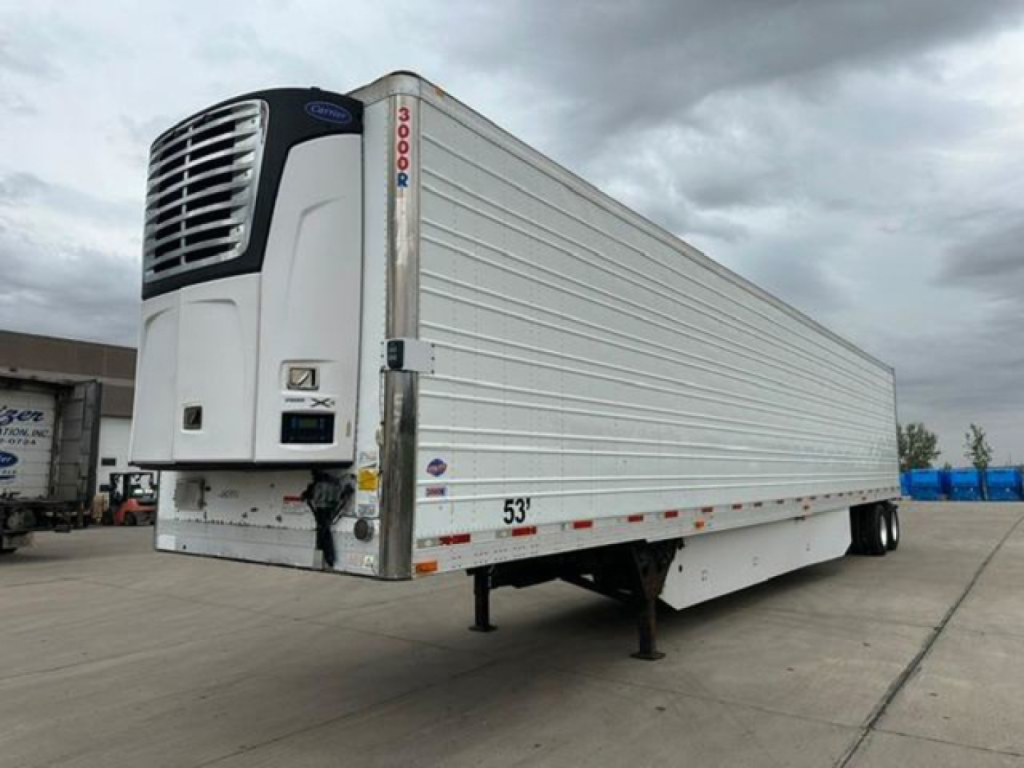
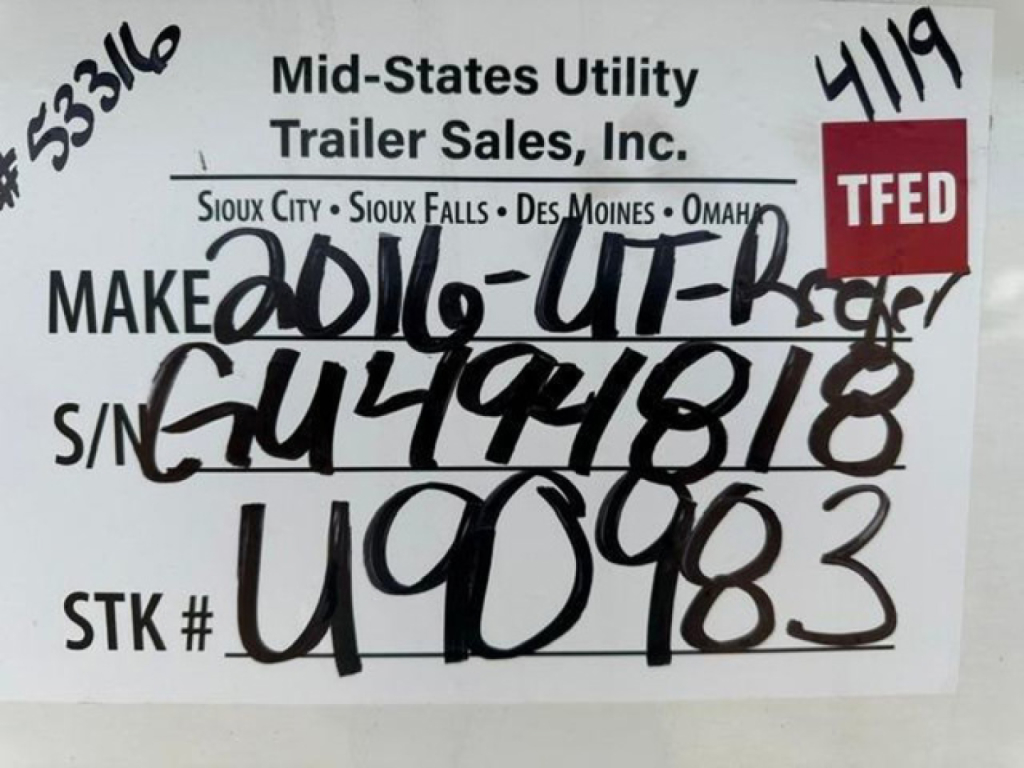
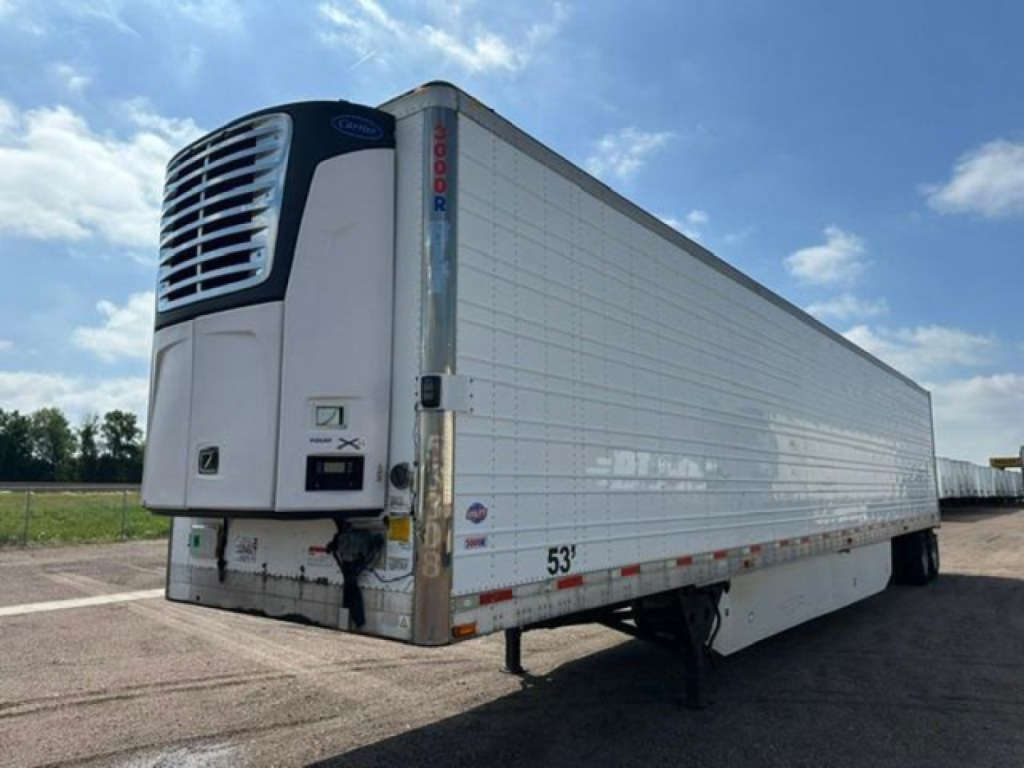
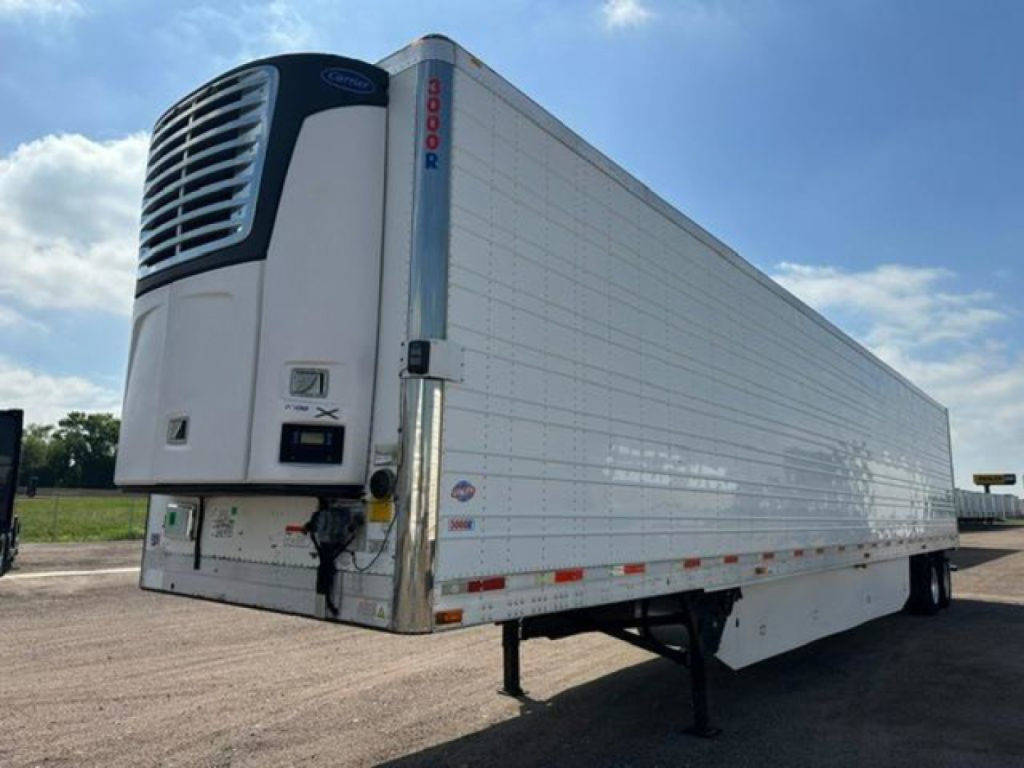
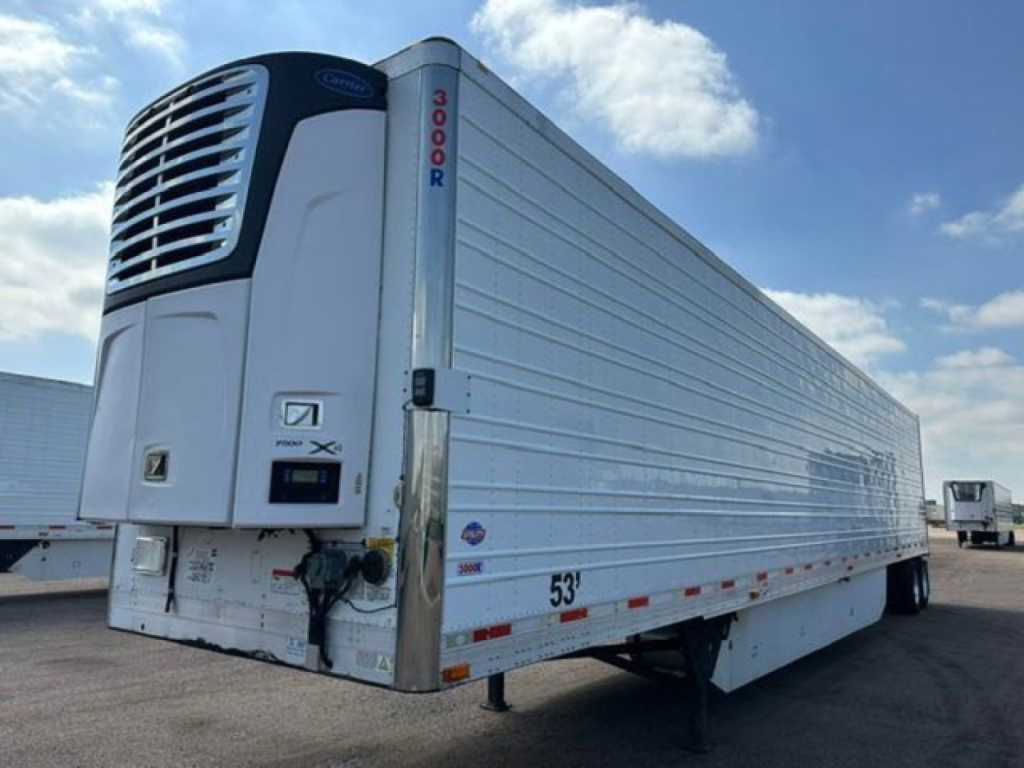
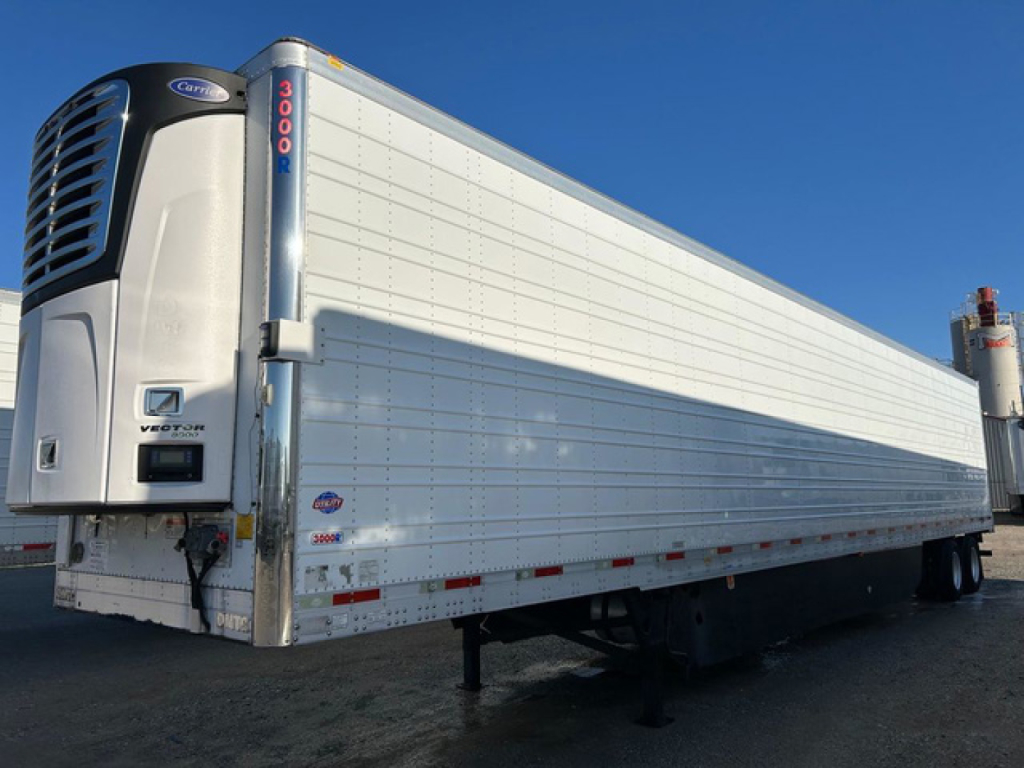
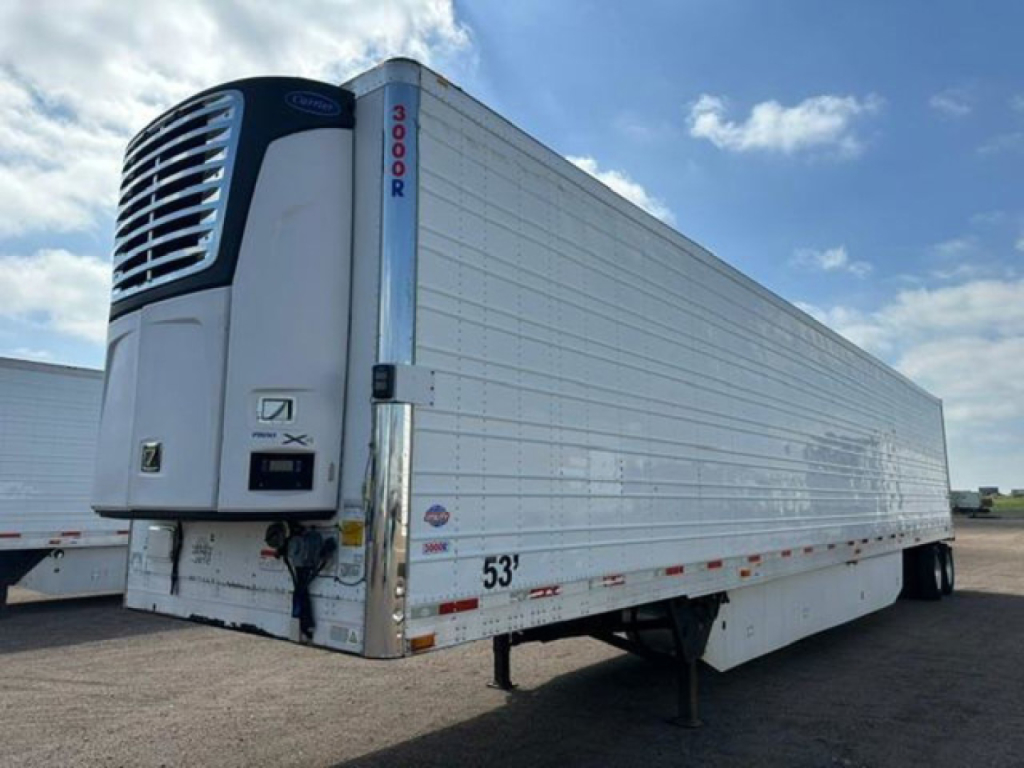
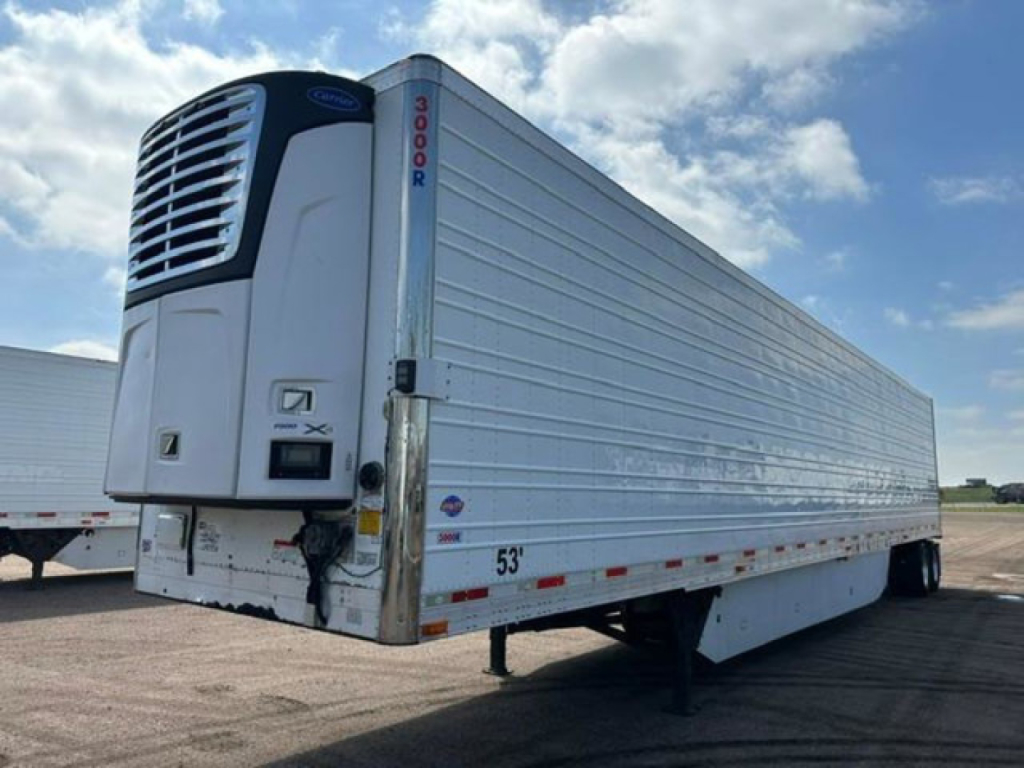
Have 2016 refrigerated trailer to sell? List it here to reach thousands of buyers.
About 2016 Refrigerated Trailers
The reefer unit itself is usually the first major decision. Buyers should review engine hours, operating hours, maintenance intervals, emissions system repairs, and any recent compressor, evaporator, or controller work. A 2016 refrigerated trailer may still be working in multi-temp or continuous-run service, but that depends on how it was spec'd and maintained. Some trailers trade without a unit installed, which can still make sense for a buyer with an existing unit program or a rebuild plan. It is also smart to confirm fuel tank condition, bulkhead setup, discharge air performance, and whether the trailer has telematics, remote temperature monitoring, or downloadable data capability for compliance-sensitive freight.
Trailer spec matters because reefer work is hard on the box. Aluminum roofs, scuff liners, duct floors, and swing doors are common, and each affects longevity and use case. Floor wear is especially important on high-cycle foodservice or grocery applications where pallet jack traffic can damage the surface and reduce airflow. Check crossmembers, rear frame, thresholds, and the front wall for signs of impact or moisture intrusion. Air ride suspension remains the preferred setup for protecting cargo and improving ride quality, while tire inflation systems, aluminum wheels, and sliding tandems can add practical value in day-to-day operation. Tire tread depth, brake life, rotor or drum condition, and axle alignment can tell you a lot about how the trailer was managed.
A 2016 reefer trailer often fits buyers who need dependable temperature-controlled hauling with a lower acquisition cost and a clear maintenance budget. The best candidates are trailers with documented PM records, clean interiors, solid door hardware, and refrigeration units that have not been deferred on service. Buyers hauling frozen freight may prioritize pull-down performance and insulation condition, while produce and mixed loads may care more about airflow, washout condition, and cargo versatility. Also known as a reefer trailer, this category remains one of the most specialized trailer types in trucking, and careful attention to unit health, box integrity, and compliance features will usually matter more than cosmetic appearance.
Frequently Asked Questions
What should I inspect first on a 2016 refrigerated trailer?
Start with the refrigeration unit service history and the trailer body condition. Confirm engine hours, unit hours, PM records, alarm history, and any major repairs to the compressor, controller, or emissions components. Then inspect the floor, lining, door seals, rear frame, front wall, and roof for wear, impact damage, or moisture intrusion. A reefer trailer only performs well when the unit and the insulated box are both in sound condition.
Is a 2016 reefer trailer still a good choice for temperature-controlled freight?
Yes, if maintenance has been consistent and the trailer has been kept structurally sound. Many 2016 refrigerated trailers still work well in regional and long-haul food distribution, but their value depends heavily on reefer unit health, insulation retention, and running gear condition. A lower purchase price can be offset quickly by deferred repairs, so buyers should compare service records and operating condition rather than shop by age alone.
What reefer unit details matter most on a used refrigerated trailer?
The most important details are operating hours, maintenance records, emissions system history, fuel system condition, controller function, and verified cooling performance. Buyers should also check whether the unit holds setpoint under load, how quickly it pulls down temperature, and whether it has data download capability for customers that require temperature documentation. Thermo King and Carrier units are both common, but condition and support history matter more than brand name by itself.
Can buying a refrigerated trailer without a unit still make sense?
It can, especially for buyers who already have a refrigeration unit program, access to take-off units, or a rebuild strategy. A trailer without a unit may also work for storage applications or as a platform for a custom install. The key is to evaluate the front wall opening, electrical setup, fuel system needs, and total installation cost before assuming it is a cheaper path. In some cases, the trailer box is worth buying if the structure is strong and the missing unit is already part of your plan.
Which trailer specs are most important on a 2016 reefer?
Focus on trailer length, axle configuration, suspension type, interior lining, floor design, door style, and whether the tandem slides. Air ride suspension is common and preferred for cargo protection. Duct floors and clean interior linings support better airflow and sanitation. Tire inflation systems, aluminum wheels, and strong brake life can reduce operating costs. For many buyers, the right combination of box condition, reefer unit performance, and running gear health is more important than the original build sheet.