
2024 Vanguard Reefer Trailers For Sale
Shop 2024 Vanguard reefer trailers for sale. Compare 53-foot specs, Carrier or Thermo King units, insulation, floors, and suspension setups.
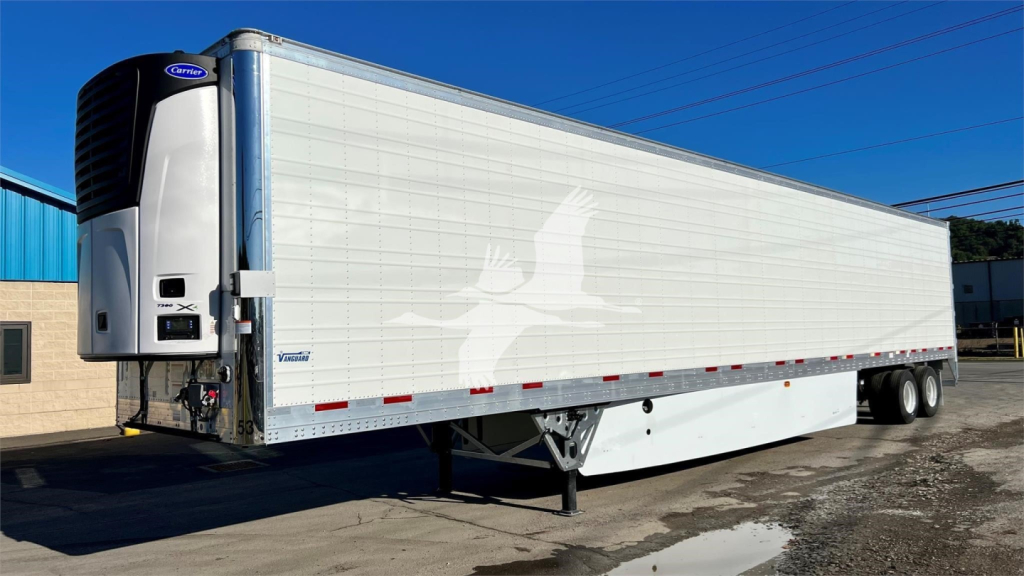
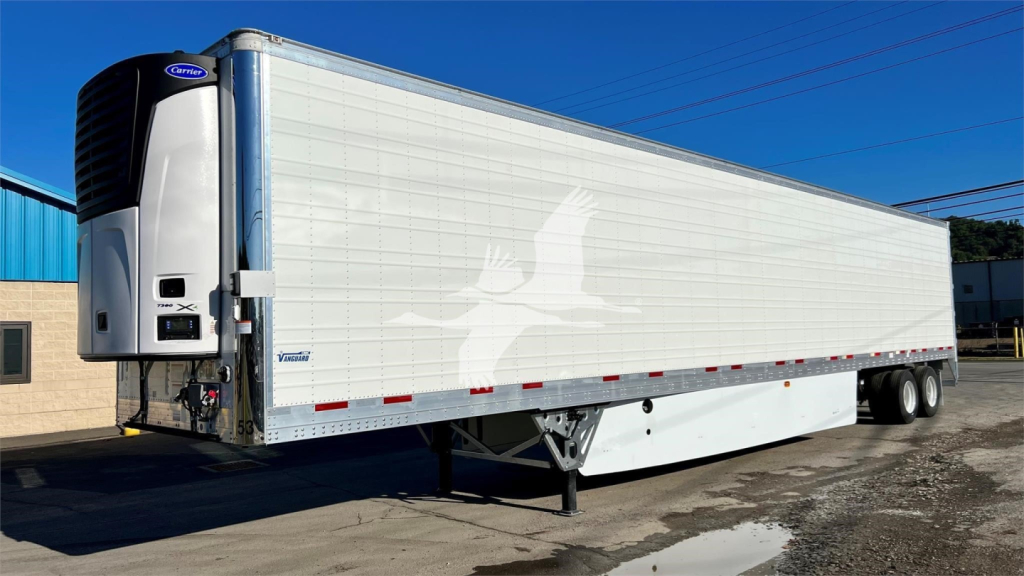
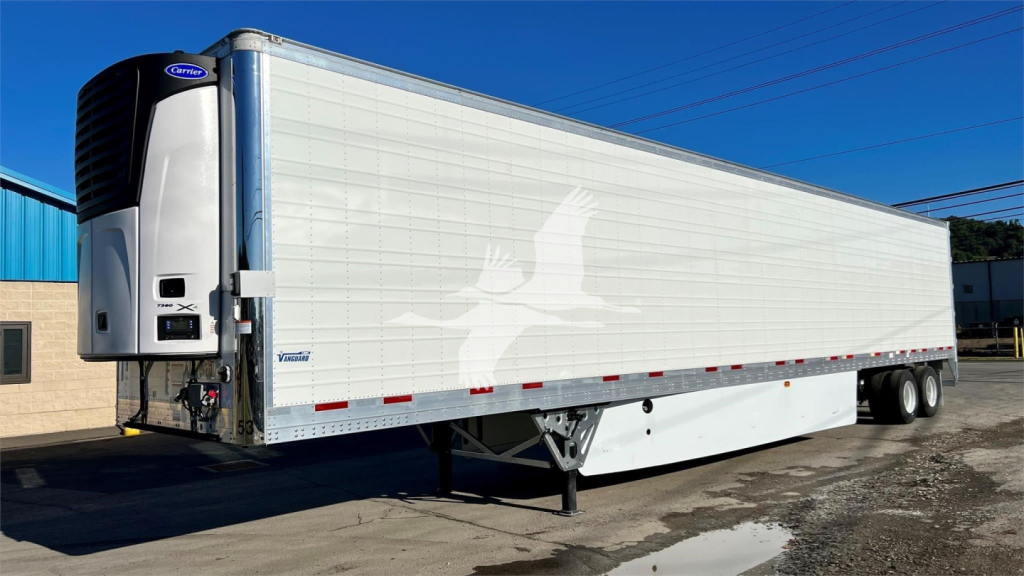
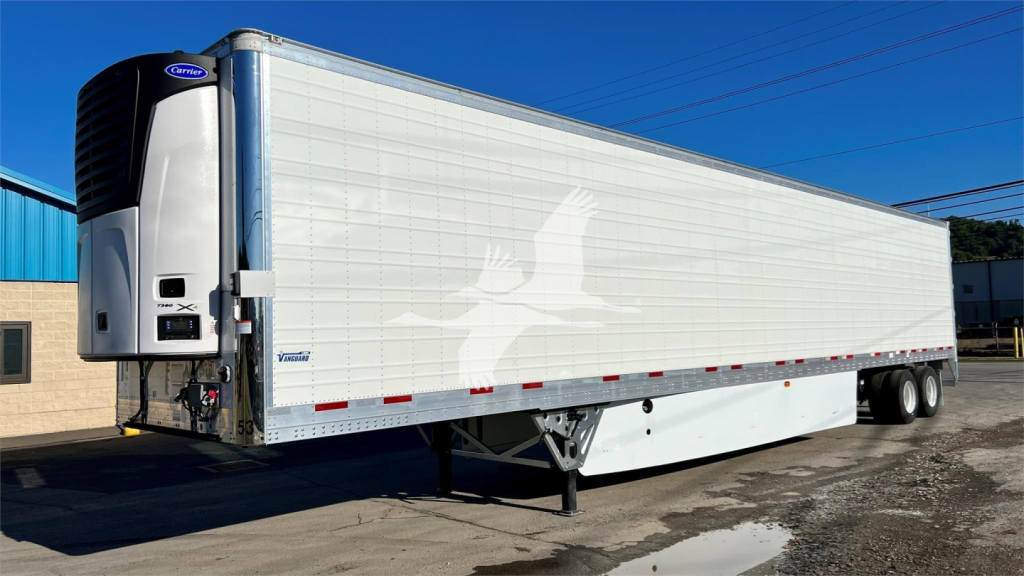
Selling a 2024 vanguard reefer trailer? List your 2024 vanguard reefer trailer for sale and reach thousands of commercial buyers.
2024 Vanguard Reefer Trailers
The refrigeration package is usually one of the first buying decisions. In this category, Carrier X4-series and Thermo King units are common, typically paired with a 50-gallon fuel tank. Buyers should match unit capacity and service network to the freight mix and lane profile. Continuous multi-stop grocery work, deep-frozen freight, and high-ambient regional routes place different demands on the reefer unit than straightforward dock-to-dock distribution. It also pays to look closely at the air management setup, including the air return bulkhead, pallet stops, and whether the trailer has an air chute. Those details affect how evenly the box pulls down and holds temperature, especially with mixed pallet patterns or partial loads.
Body construction and floor design are just as important as the refrigeration unit. Vanguard reefer trailers in this year range are commonly built with smooth or corrugated aluminum side panels, Kemlite liners, polyurethane foamed-in-place insulation, and aluminum roofs. Insulation packages often fall around 2-inch sidewalls, 2.5-inch roof, 4-inch nose, 3-inch door, and 2.5-inch floor, which is a solid general-purpose reefer configuration. Floor style should be matched to the freight. A heavy-duty duct floor supports strong front-to-rear airflow for produce and frozen cargo, while a grocery flat floor can be attractive for frequent pallet jack traffic and multi-stop foodservice work. Details like scuff liners, recessed E-track, stainless rear doors, and dock plates can make a real difference in trailer life, cargo securement flexibility, and loading speed.
Running gear and operating cost deserve the same attention as the box. Typical 2024 Vanguard reefer specs include 295/75R22.5 tires, steel wheels, air ride suspensions from Hendrickson or Holland, and landing gear from Jost or Holland. Features such as MTIS with ThermALERT and aerodynamic side skirts can help reduce roadside issues and improve overall operating efficiency. Buyers comparing listings should verify suspension model, crossmember construction, tire system, and floor type, then weigh those specs against the intended route density, backhaul conditions, and maintenance strategy. A reefer trailer that spends its life in produce loading sheds has different needs than one running dedicated cold-chain retail freight, and the best spec is the one that supports the cargo, the dock environment, and the service network behind it.
Frequently Asked Questions about 2024 Vanguard Reefer Trailers
What are the common specs on a 2024 Vanguard reefer trailer?
Most 2024 Vanguard reefer trailers are built as 53-foot by 102-inch tandem axle units with air ride suspension, a 49-inch tandem slider, and a 36-inch kingpin setting. Buyers will commonly see inside dimensions around 97.75 inches wide and 104.5 inches high, with swing rear doors, aluminum roof construction, stainless rear frame components, and polyurethane foamed-in-place insulation. Refrigeration units are often Carrier or Thermo King, depending on how the trailer was originally spec'd.
What is the difference between a duct floor and a grocery flat floor on a reefer trailer?
A duct floor is designed to move supply air under the load and maintain consistent front-to-rear airflow, which is especially important for frozen freight and produce that needs even temperature control throughout the trailer. A grocery flat floor is better suited to frequent pallet jack use and high-stop food distribution because it offers a flatter loading surface. The right choice depends on the freight mix, stop count, and how critical airflow is to product integrity.
How important is the reefer unit brand on a Vanguard trailer?
The reefer unit brand matters because it affects temperature performance, parts availability, technician coverage, and fleet standardization. Carrier and Thermo King are both common in this category, but many buyers prefer to stay with the brand their maintenance team already supports. Service access on your lanes can be just as important as unit capacity, especially for time-sensitive cold-chain freight where downtime quickly becomes expensive.
What should buyers inspect first on a used 2024 reefer trailer?
Start with the refrigeration unit hours, service history, and evidence of proper maintenance. Then inspect the floor for damage, check the interior liner and scuff areas for impact wear, confirm the air return bulkhead is intact, and look for seal condition around the doors. On the chassis side, inspect the suspension, slider operation, tire condition, wheel-end history, and signs of corrosion or impact damage at the rear frame and threshold. A reefer trailer can look clean and still have expensive issues in the unit, floor, or airflow system.
Are Vanguard reefer trailers a good fit for grocery and foodservice operations?
Yes. Vanguard reefer trailers are commonly spec'd for grocery, foodservice, dairy, produce, and frozen freight because they typically offer practical dimensions, durable interior materials, and mainstream refrigeration options. Features like recessed E-track, scuff liners, air ride suspension, and dock-friendly rear construction make them well suited for repeated loading cycles and regional or over-the-road cold-chain work. The key is choosing a floor, insulation package, and reefer unit setup that matches the actual stop pattern and cargo profile.