
Used Utility Reefer Trailers For Sale in Mississippi
Browse used Utility reefer trailers for sale in Mississippi. Compare 53-foot refrigerated trailers, reefer units, floors, suspensions, and specs.

Have used utility reefer trailer to sell? List it here to reach thousands of buyers.
Used Utility Reefer Trailers in Mississippi
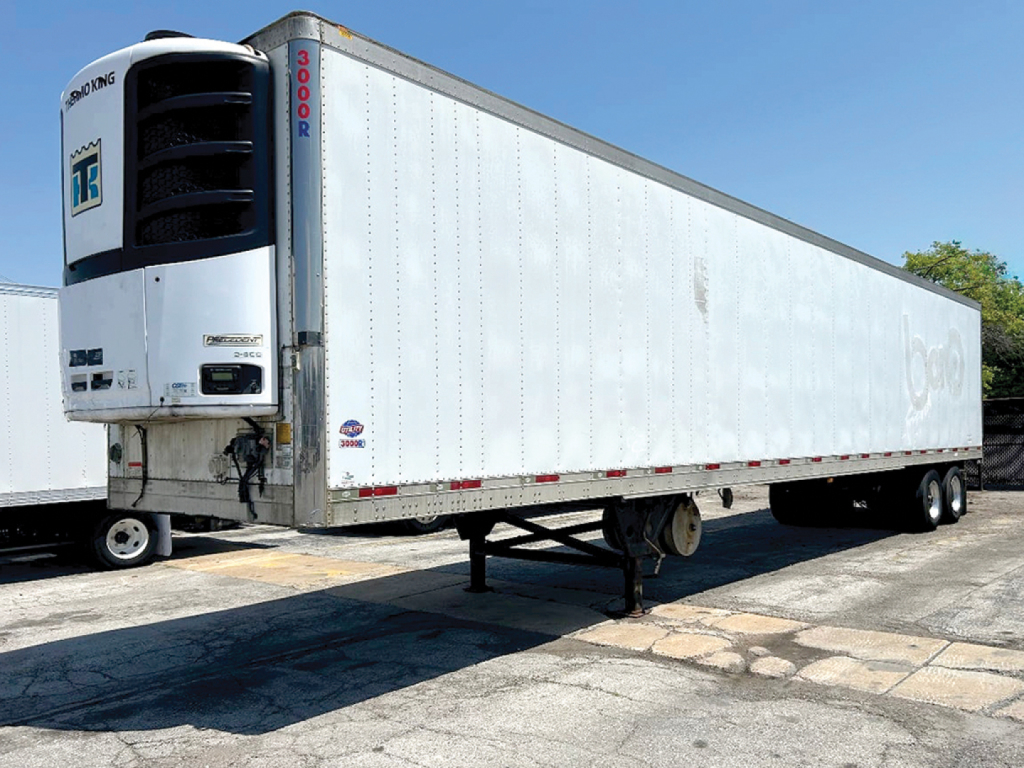
One of the first buying decisions is the refrigeration unit, not just the trailer shell. Used Utility reefers commonly show up with Carrier or Thermo King units, and the model matters because it affects fuel use, parts availability, service network access, and pull-down performance. A buyer should verify unit hours, engine service history, reefer start-stop operation, defrost performance, and whether the trailer can hold setpoint consistently under load. Interior condition matters just as much. Heavy duty aluminum duct floors, cold chutes, scuff liners or scuff plates, stainless door frames, and tight rear door seals all help maintain airflow and reduce temperature loss. If the trailer was used in food distribution, look closely for floor wear, wall damage from pallets, and signs of past repairs around the front wall, evaporator area, and door frame.
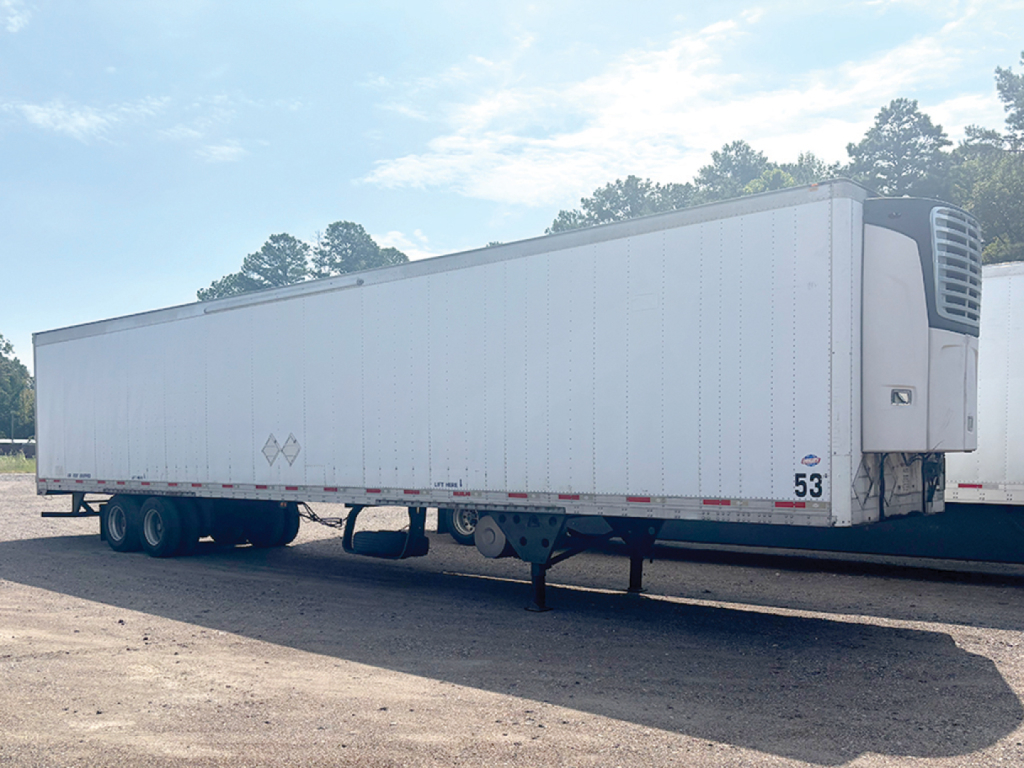
Utility reefer models can vary in roof profile and inside height. Some used units are standard-height trailers, while others are wedge reefers with added interior height at one end to improve cubic capacity for lighter freight. That can be useful for high-cube food loads, but buyers should confirm dock compatibility, loading patterns, and any impact on airflow. Suspension and axle layout also deserve attention. Air ride is common and helps protect sensitive cargo, while sliding tandems give flexibility for bridge laws and weight distribution. Spread axle setups can improve stability and weight carrying characteristics, but they may be less convenient in tight urban delivery environments. Disc brakes, tire inflation systems, onboard scales, side skirts, and aluminum wheels are all value-added features that can reduce operating costs or improve compliance and maintenance planning.
For a used Utility reefer trailer, condition is driven by insulation integrity, structural health, and refrigeration performance more than appearance alone. Check the floor for rot or excessive channel damage, inspect the sidewalls for delamination or punctures, review crossmember and rear frame condition, and confirm that the swing doors close square with even seal pressure. Buyers operating in Mississippi should also pay attention to corrosion from humidity, the condition of wiring and lights, and reefer unit performance during hot-weather operation. A well-kept Utility reefer can be a dependable platform for both local and over-the-road refrigerated freight, especially when the trailer spec matches the freight profile, loading method, and maintenance capability of the fleet.
Frequently Asked Questions about Used Utility Reefer Trailers in Mississippi
What are the most common specs on a used Utility reefer trailer?
Most used Utility reefer trailers on the market are 53 feet long, 102 inches wide, and 13 feet 6 inches tall. Common specs include aluminum construction, air ride suspension, swing doors, heavy duty duct floors, scuff plates, and either sliding tandems or spread axles. Many also include Carrier or Thermo King refrigeration units, 22.5 low profile tires, and options such as side skirts, disc brakes, tire inflation systems, or onboard scales.
Is a Utility wedge reefer a good choice for food freight?
A Utility wedge reefer can be a strong choice when cubic capacity is important. The wedge design increases interior height at one end, which can help with certain palletized loads and light, bulky refrigerated freight. Buyers should still confirm that the trailer works with their dock heights, pallet count, airflow requirements, and route profile, because interior shape and loading patterns can affect both cargo fit and temperature consistency.
What should I inspect first on a used reefer trailer?
Start with the refrigeration unit, the floor, and the door seals. Verify reefer hours, maintenance records, unit operation, and temperature hold. Then inspect the aluminum floor for wear, broken channels, or forklift damage, because floor condition directly affects airflow and sanitation. Finally, check the rear frame, door hardware, and seals for air leaks, since poor sealing increases reefer run time and can compromise load protection.
Which is better on a used Utility reefer: sliding tandem or spread axle?
The better choice depends on the work. Sliding tandems offer more flexibility for axle weight distribution, bridge law compliance, and dock maneuvering, which makes them popular in mixed regional and over-the-road service. Spread axles can offer stable road manners and useful weight distribution, but they are generally less maneuverable in tight yards and city delivery settings. The right setup depends on freight weight, operating area, and customer locations.
How important is the reefer unit brand on a used Utility trailer?
The reefer unit brand matters because it affects service support, parts access, and fleet familiarity. Carrier and Thermo King are both common on used Utility trailers, and either can be a solid option if maintenance history is strong. The more important factor is the specific unit's condition, hours, repair record, and ability to maintain setpoint under real operating conditions. A clean trailer with a weak refrigeration unit can quickly become an expensive purchase.