
Utility Reefer Trailers For Sale in Georgia
Browse Utility reefer trailers for sale in Georgia. Compare 3000R specs, reefer units, flooring, suspension, and cold-chain features.

Selling a utility reefer trailer? List your utility reefer trailer for sale and reach thousands of commercial buyers.
Utility Reefer Trailers in Georgia
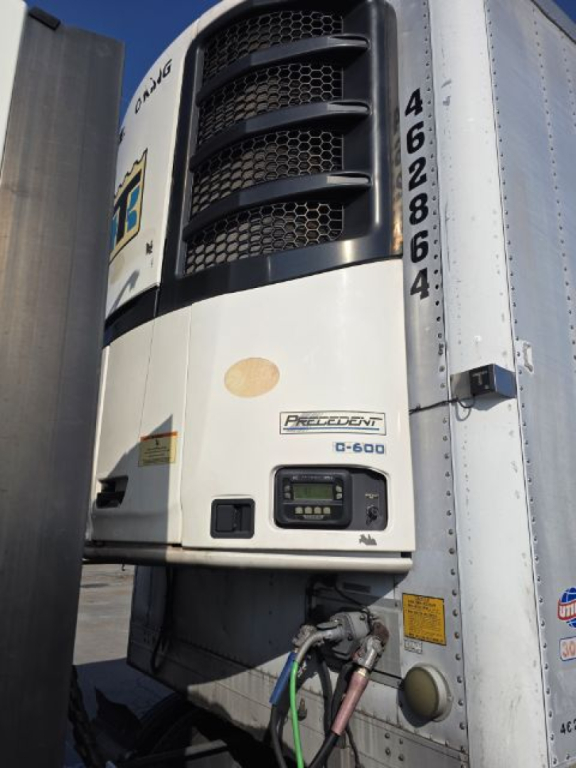
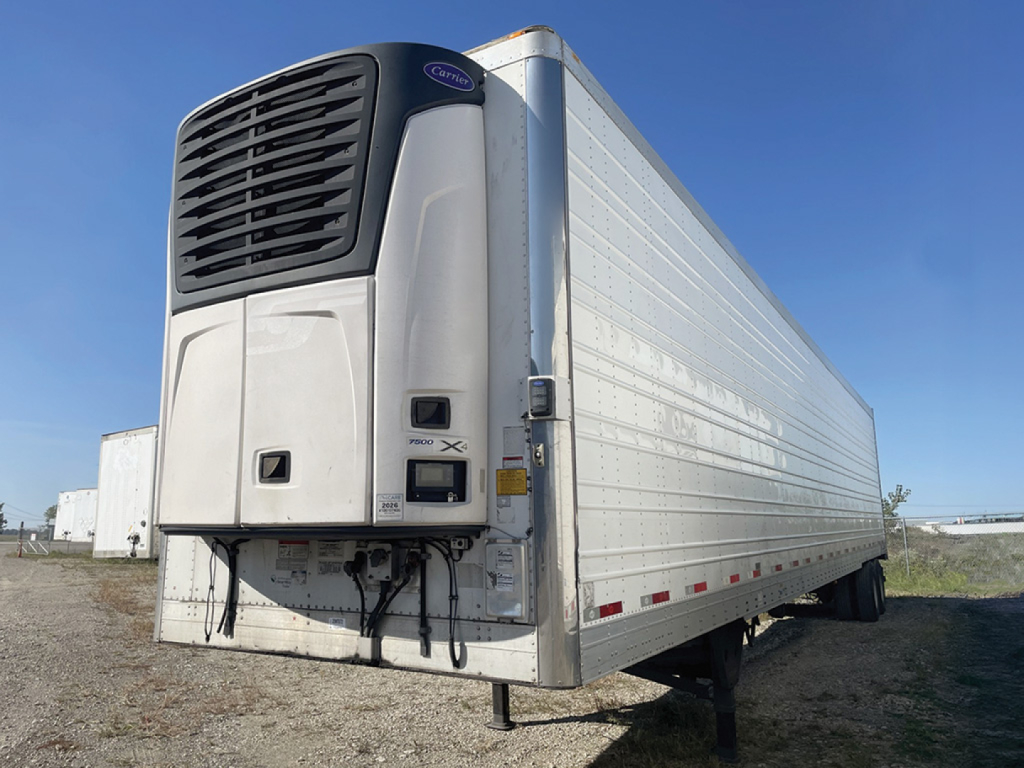
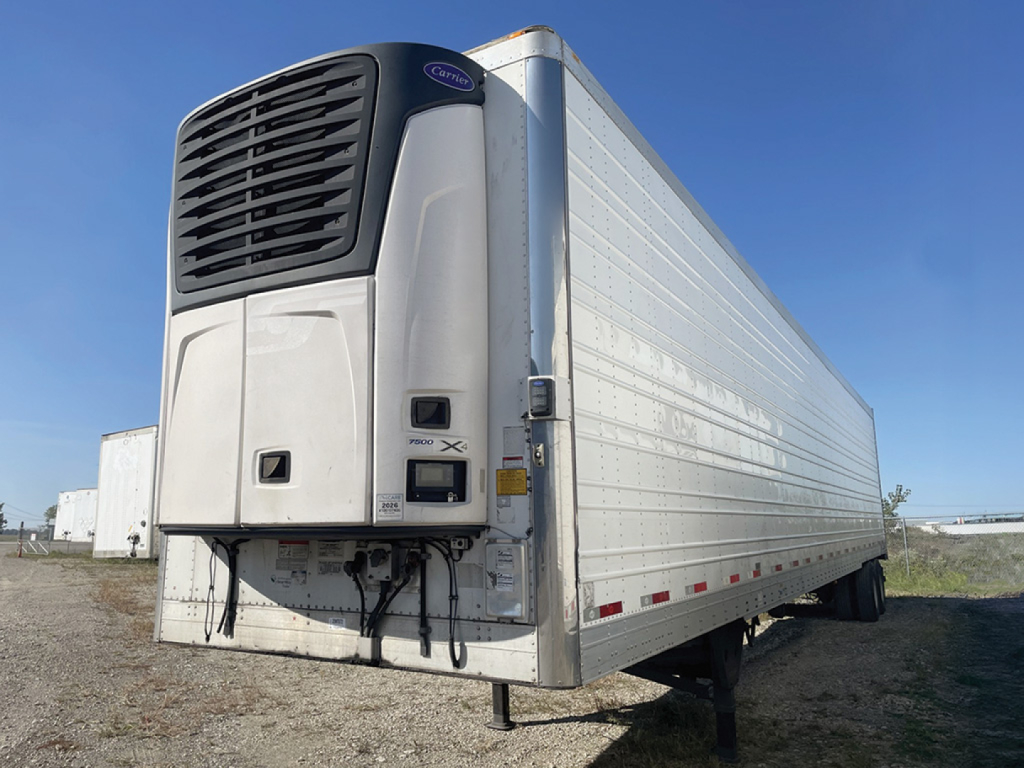
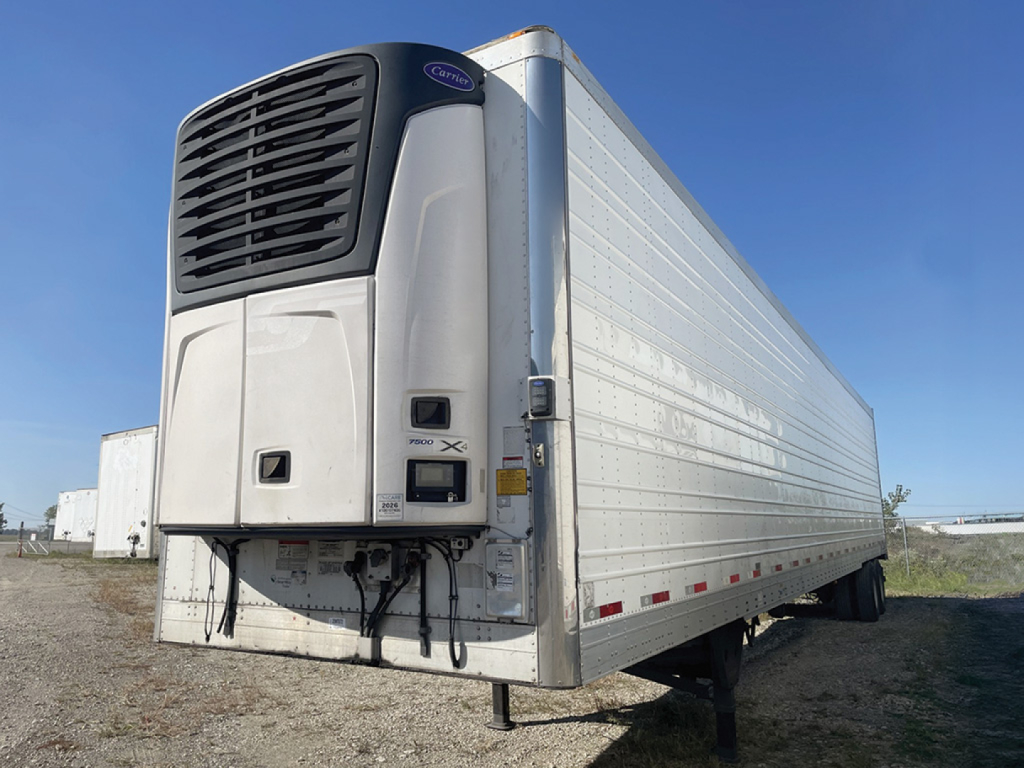
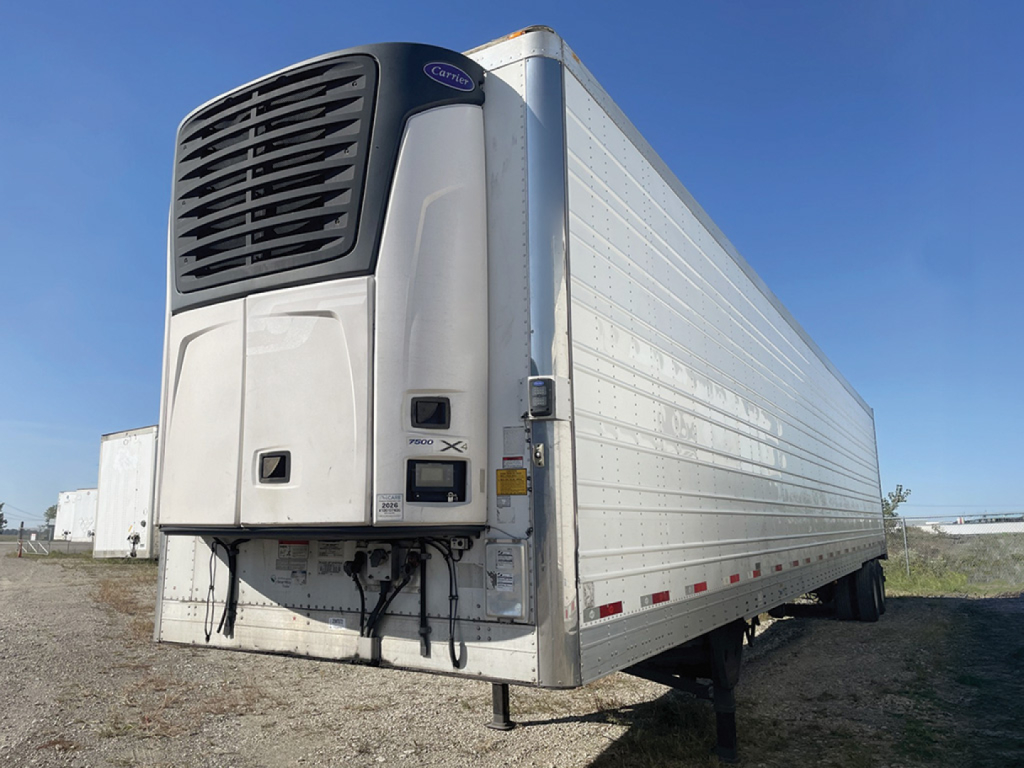
A buyer should start with the reefer unit and floor design. Utility reefers are commonly paired with Thermo King or Carrier units, and the difference between unit series can affect fuel consumption, parts availability, maintenance familiarity, and pull-down performance. Interior airflow matters just as much as the unit on the nose. Heavy-duty aluminum duct floors and cold chutes help move air through the length of the trailer, which is critical for maintaining even product temperature on dense palletized loads. Rear vents, scuff plates, and stainless front radius panels or door frames are more than cosmetic details. They speak to how the trailer was spec'd for daily dock contact, washdowns, and food-grade work.
Suspension and running gear deserve close attention on a used Utility reefer trailer. Air ride suspension and sliding tandems are standard on many fleet specs because they help protect freight, manage bridge law, and improve loading flexibility across different lane requirements. Tire inflation systems can reduce roadside tire events and help control operating cost over high-mileage use. Low-profile 22.5 tires and aluminum wheels are also common. Buyers comparing listings should verify wheelbase setting, tandem slide condition, brake type, tire age, door seal condition, and signs of floor wear or wall damage from forklift traffic. On reefers, small issues around doors, drains, insulation, or interior lining can turn into temperature-control problems later.
The best Utility reefer trailer for a buyer depends on freight profile more than model year alone. A trailer handling frozen freight, dairy, pharmaceuticals, or mixed-temp retail replenishment needs strong unit performance, clean interior condition, and evidence of consistent preventive maintenance. Features like E-track, side skirts, swing doors, stainless quilted door panels, and ducted flooring may matter more than cosmetic appearance if the trailer is headed back into route work. For Georgia operations, it also makes sense to consider reefer hours, local dealer support for Carrier or Thermo King, and how well the trailer spec fits Southeast humidity, heat, and frequent stop-and-go distribution cycles.
Frequently Asked Questions about Utility Reefer Trailers in Georgia
What should I look at first on a used Utility reefer trailer?
Start with the refrigeration unit, reefer hours, and maintenance history. Then inspect the trailer body for insulation-related issues, including damaged interior liner panels, worn door seals, floor damage, and any signs the trailer has trouble holding temperature. On a Utility 3000R, buyers should also check the duct floor, cold chute, rear frame area, and stainless components for condition consistent with food-grade service and regular washdowns.
Is a Utility 3000R a good reefer trailer for grocery and distribution work?
Yes. The Utility 3000R is widely used in grocery, frozen, dairy, and regional distribution fleets because it is a proven 53-foot reefer platform with common parts support and practical specs for pallet freight. Features often found on these trailers, such as air ride suspension, sliding tandems, duct floors, scuff protection, and tire inflation systems, fit the demands of dock work and multi-stop routes.
Which is better on a Utility reefer trailer, Carrier or Thermo King?
Neither is automatically better for every operation. Carrier and Thermo King both have strong presence in reefer service, and the right choice often comes down to dealer coverage, technician familiarity, parts access, and your fleet's existing maintenance program. Buyers in Georgia should weigh local support and response time heavily, especially for trailers running produce, frozen food, or high-service grocery lanes where downtime is expensive.
Why do cold chutes and duct floors matter on reefer trailers?
Cold chutes and duct floors improve airflow management inside the trailer. The refrigeration unit can only maintain target temperature if cold air reaches the full length of the box and returns properly. A heavy-duty aluminum duct floor helps move air under the load, while a cold chute directs discharge air where it needs to go. These features are especially important on dense loads, frequent-stop routes, and freight that is sensitive to temperature variation.
Are side skirts and tire inflation systems worth having on a reefer trailer?
For many buyers, yes. Side skirts can improve aerodynamics and reduce fuel drag over highway miles, while an automatic tire inflation system helps maintain proper tire pressure and can reduce irregular wear and roadside service events. On reefer trailers that run long distances or stay in high-utilization fleet work, both features can support lower operating cost if they are in good condition and maintained properly.