
Used 2006 Reefer Trailers For Sale
Shop used 2006 reefer trailers for sale. Compare trailer length, reefer unit type, floor design, suspension, doors, and insulation condition.
Learn more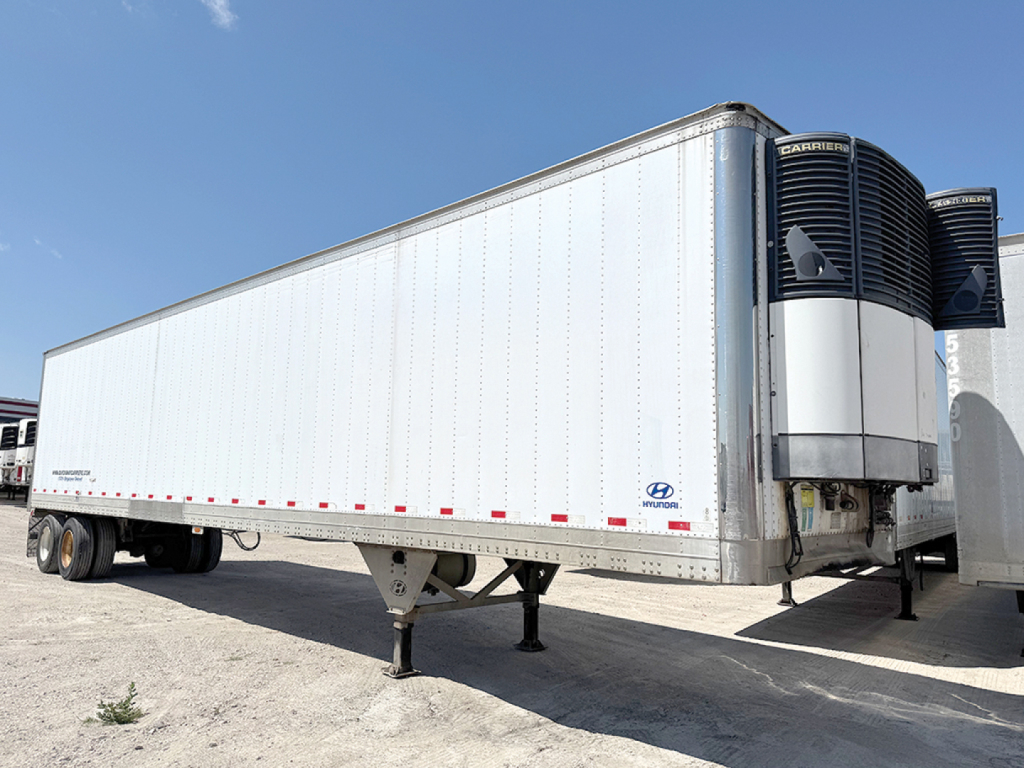

Have used 2006 reefer trailer to sell? List it here to reach thousands of buyers.
About Used 2006 Reefer Trailers
Most used 2006 reefer trailers on the market are 48-foot or 53-foot vans with a standard 102-inch width and 13-foot 6-inch overall height. Common construction includes aluminum wheels, aluminum or steel crossmembers, duct or flat aluminum floors, and stainless steel rear frames or door hardware in higher-spec builds. Buyers should check for floor wear from pallet jack traffic, soft spots near the threshold, and damage to scuff liners, chute systems, and interior wall panels. Door seal condition matters more than many buyers expect because poor rear door sealing can force the unit to run harder, burn more fuel, and struggle to maintain set point. Swing doors are common on reefer trailers of this era, while some fleet-spec units may have roll-up rear doors for route work.
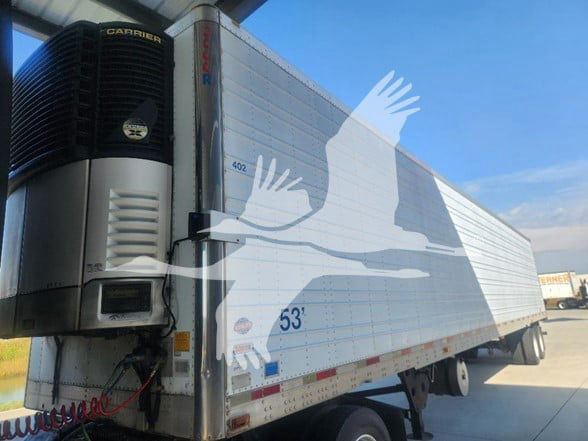
The refrigeration unit deserves a close look because a 2006 trailer may have either its original unit or a replacement. Thermo King and Carrier units are the most common in this category, and buyers should review engine hours, run hours, maintenance records, and any recent major work such as compressor, evaporator, or controller replacement. If the trailer will be used for frozen freight or tight temperature-control lanes, it is worth confirming pull-down performance, return air readings, and how the unit behaves during a full pre-trip inspection. Multi-temp configurations can add flexibility for mixed loads, but they also introduce more components, more partition hardware, and more service complexity. A clean single-temp reefer with documented service can be the better buy for many operations.
Suspension, tandem setup, and operating environment also matter on a used 2006 reefer trailer. Air ride with a sliding tandem is still the preferred setup for many fleets because it helps ride quality and axle adjustment, but suspension wear, slider rail condition, and brake system condition should all be inspected carefully. Tire size, wheel type, and brake specification can affect maintenance cost over time, especially on older trailers that may have seen regional grocery work or high-cycle dock use. Buyers planning interstate freight should also consider tare weight, interior cubic capacity, and whether the trailer has features such as E-track, load bars, scuff plates, or a heavy-duty duct floor. A well-kept 2006 reefer trailer can still earn in distribution, cold storage transfer, and seasonal agricultural service, but only if the trailer box is tight and the refrigeration system is dependable.
Frequently Asked Questions
What should I inspect first on a used 2006 reefer trailer?
Start with the refrigeration unit, the trailer box, and the rear doors. A used 2006 reefer trailer needs to hold temperature consistently, so buyers should inspect unit hours, service records, fuel system condition, and controller operation. Then check the interior walls, roof, floor, and scuff liners for impact damage, moisture intrusion, and insulation problems. Rear door seals, hinges, and frame alignment are critical because air leaks directly affect temperature retention and operating cost.
Are 2006 reefer trailers still suitable for over-the-road refrigerated freight?
They can be, but suitability depends on condition and compliance rather than age alone. A 2006 reefer trailer with a sound insulated box, solid floor structure, and a dependable refrigeration unit may still perform well in produce, frozen food, and distribution service. Buyers should verify the reefer unit's maintenance history, inspect for structural repairs, and confirm the trailer meets the operating requirements of the lanes and customers it will serve. Older reefers often work best when they have documented upkeep and a clear service role.
What reefer unit brands are common on older refrigerated trailers?
Thermo King and Carrier are the two brands most commonly found on reefer trailers in this class. On a used 2006 reefer trailer, the original unit may have been rebuilt, replaced, or upgraded, so the actual unit model and age may differ from the trailer year. Parts support, technician availability, and service history are often more important than brand preference alone. Buyers should confirm start-up, set point control, and recent repair records before making a decision.
Is a duct floor or flat floor better on a reefer trailer?
It depends on the freight and loading pattern. A duct floor helps move cold air under the load and is common in trailers hauling palletized refrigerated or frozen freight. A flat floor can be easier for some loading applications, but airflow management becomes more important. On an older reefer trailer, condition matters as much as floor type, so buyers should inspect for worn channels, crushed sections, corrosion, and threshold damage from forklifts or pallet jacks.
What are the most common applications for a used 2006 reefer trailer?
Used 2006 reefer trailers are commonly used in regional food distribution, cold storage shuttle work, agricultural harvest hauling, and backup or surge capacity for refrigerated fleets. Some are also used for non-frozen temperature-controlled loads where exacting pharmaceutical-grade performance is not required. The right application depends on insulation condition, reefer performance, interior cleanliness, and the trailer's ability to maintain temperature during loading, transit, and delivery.