
Used 2004 Reefer Trailers For Sale
Shop used 2004 reefer trailers for sale. Compare refrigeration units, floor types, suspension, door style, and condition for cold-chain hauling.
Learn more
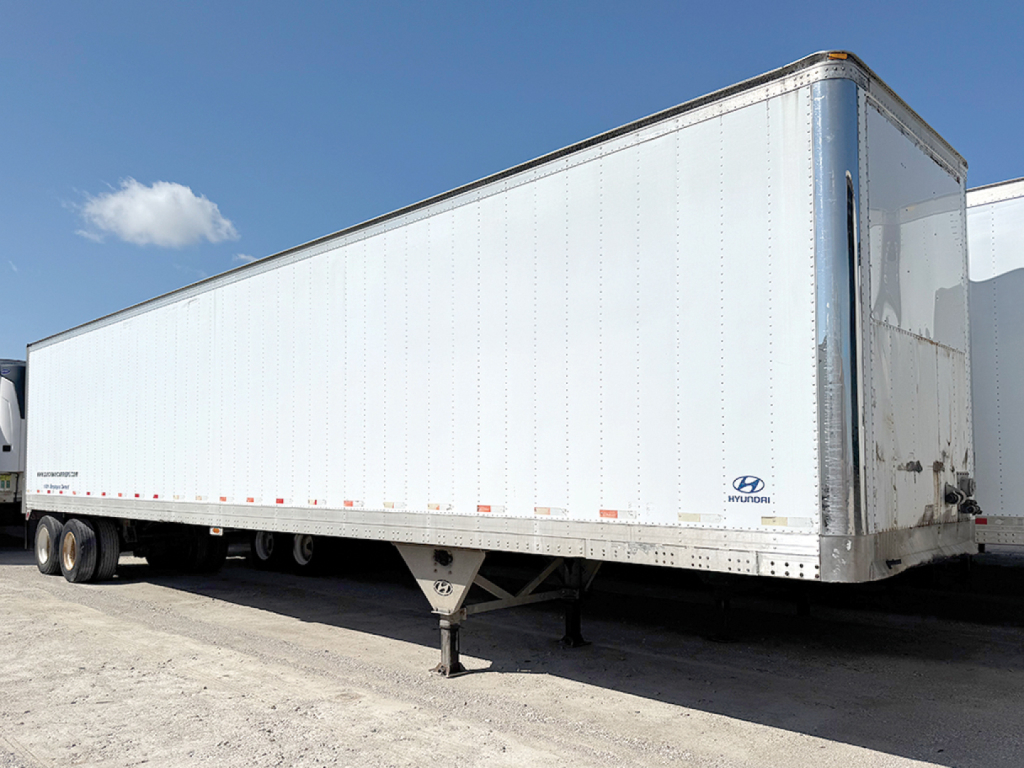
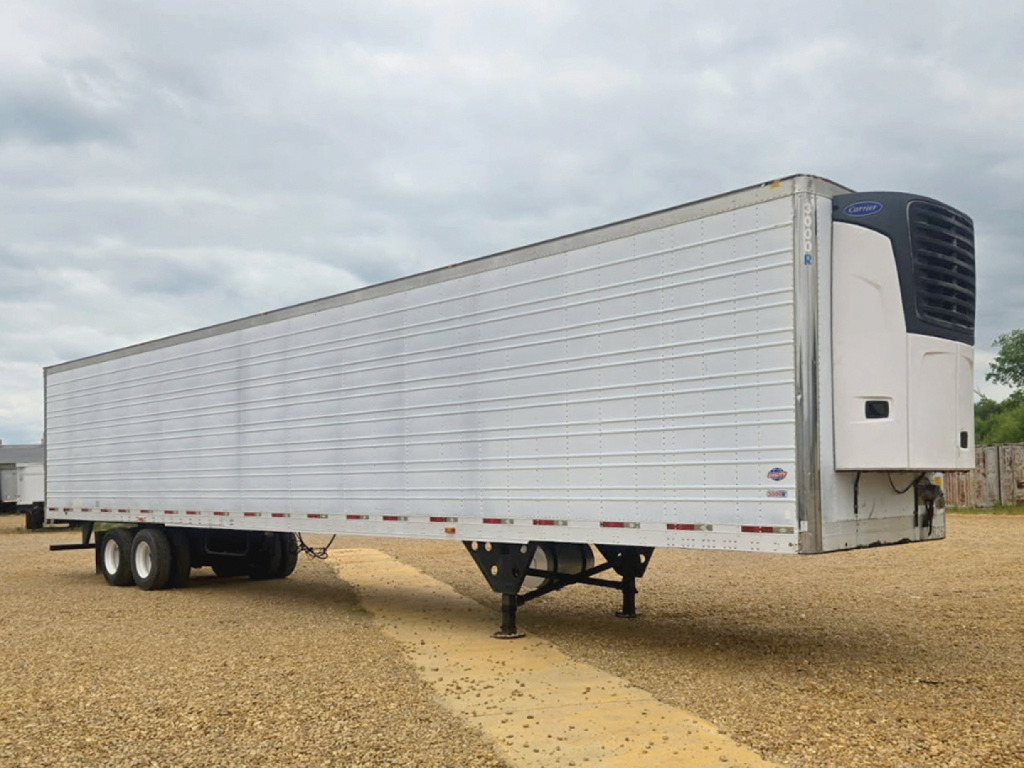
Have used 2004 reefer trailer to sell? List it here to reach thousands of buyers.
About Used 2004 Reefer Trailers
On a 2004 model, buyers should pay close attention to the refrigeration unit hours, service history, and whether the trailer is set up for single-temp or multi-temp operation. Unit age matters, but maintenance matters more. A clean record of compressor work, evaporator service, fuel system repairs, and calibration is often more important than the badge on the nose. Floor type is another major checkpoint. Aluminum duct floors help airflow under pallets, while flat floors can affect how evenly product temperatures hold across the box. Interior condition also tells you a lot. Scuff liners, chute condition, door seals, bulkheads, and E-track or logistic post setup all influence how useful the trailer will be for your freight mix.
Structural condition is just as important as refrigeration performance. On older reefer trailers, inspect the front wall, roof, side panels, rear frame, and floor for water intrusion, soft spots, delamination, patchwork, and corrosion around stainless and aluminum transitions. Look closely at the rear doors or roll-up door, the stainless steel door frame, and the subframe around the unit mount. Running gear deserves the same scrutiny. Sliding tandems, suspension bushings, brake type, tire condition, wheel-end service records, and ABS function can drive your near-term operating cost. Some buyers also prioritize features like tire inflation systems, side skirts, low-profile 22.5 tires, and disc brakes, though those are less common on a true 2004 build than on newer reefer trailers.
Used 2004 reefer trailers usually make the most sense for regional distribution, warehouse shuttles, seasonal overflow, or operations that need refrigerated capacity at a lower acquisition cost than a late-model trailer. They can also serve well in drop trailer programs if the box is sound and the refrigeration unit can hold setpoint consistently. Before buying, confirm inside height, door opening dimensions, kingpin setting, and the actual empty weight, since payload and dock compatibility matter on reefer work. A pressure test on the box, a pre-trip of the reefer unit, and a close review of maintenance records can tell you more than cosmetic appearance ever will.
Frequently Asked Questions
What should I inspect first on a used 2004 reefer trailer?
Start with the refrigeration unit, the trailer box integrity, and the floor. Confirm the unit starts cleanly, pulls down to temperature, and holds setpoint under load conditions. Then inspect the roof, front wall, sidewalls, rear frame, and door seals for water intrusion, insulation damage, and structural repairs. Floor wear, especially around high-traffic pallet lanes and forklift impact zones, is a major indicator of remaining service life.
Are 2004 reefer trailers still good for over-the-road refrigerated freight?
They can be, but only if the trailer body is tight and the refrigeration system has been maintained to a high standard. Many 2004 reefer trailers are better suited for regional lanes, private fleet support, local delivery, or drop yard use because older units can bring higher repair risk and more downtime. For time-sensitive over-the-road food freight, buyers usually need strong service records and confidence in the reefer unit's reliability before putting an older trailer into daily long-haul service.
What floor type is best in a reefer trailer from this era?
An aluminum duct floor is usually preferred for standard refrigerated freight because it supports airflow under the load and helps maintain more consistent temperatures throughout the trailer. Flat floors can work for some operations, but they can reduce airflow if pallets are loaded tight to the floor. The best choice depends on the commodities hauled, pallet pattern, and how important even temperature distribution is across the entire cargo space.
How important are reefer unit hours on a 2004 trailer?
Reefer unit hours are important, but they do not tell the whole story by themselves. High hours with documented preventive maintenance can be a better bet than lower hours with poor service history. Buyers should review engine hours, repair records, major component replacements, and recent inspections together. The goal is to understand total condition and probable near-term repair cost, not just the hour meter reading.
What are the common specs on used 2004 reefer trailers?
Common specs include 48-foot or 53-foot length, 96-inch or 102-inch width, tandem axles, swing or roll-up rear doors, sliding tandems, 22.5 low-profile tires, and either air ride or spring suspension. Many trailers from this period have aluminum floors, scuff liners, stainless steel door frames, and single-temp refrigeration units from Thermo King or Carrier. Exact inside height, floor construction, and unit model can vary significantly by manufacturer and original fleet spec.