
Used 2003 Reefer Trailers For Sale
Browse used 2003 reefer trailers for sale. Compare lengths, reefer units, insulation, floors, doors, suspension, and maintenance factors.
Learn more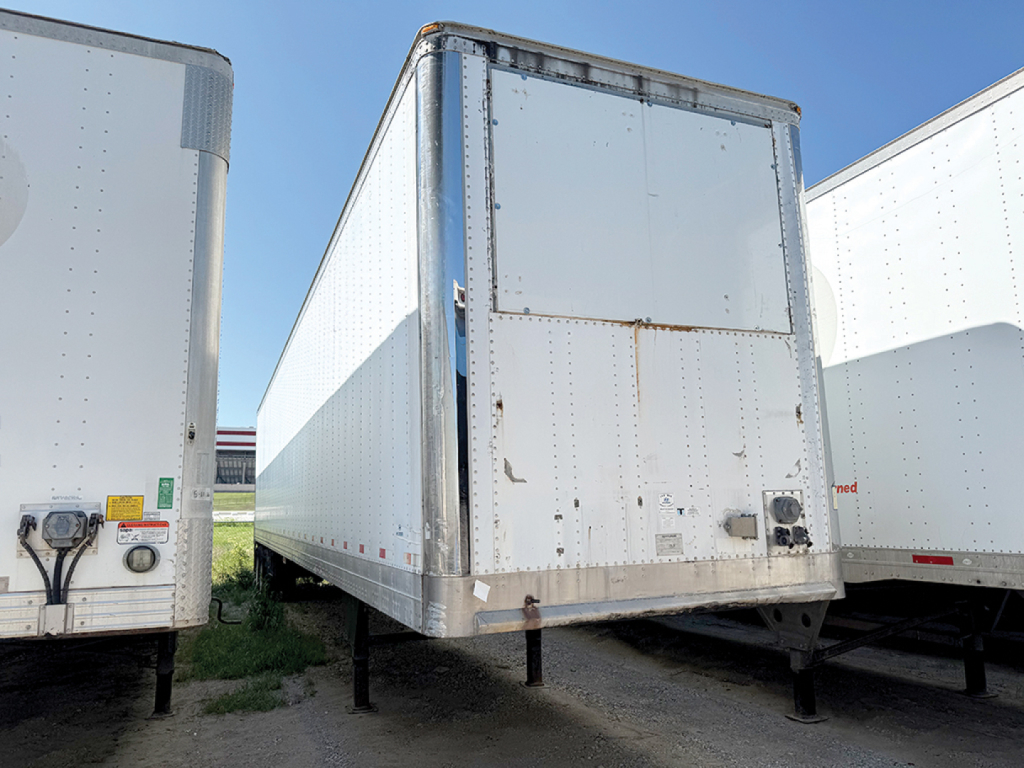
Have used 2003 reefer trailer to sell? List it here to reach thousands of buyers.
About Used 2003 Reefer Trailers
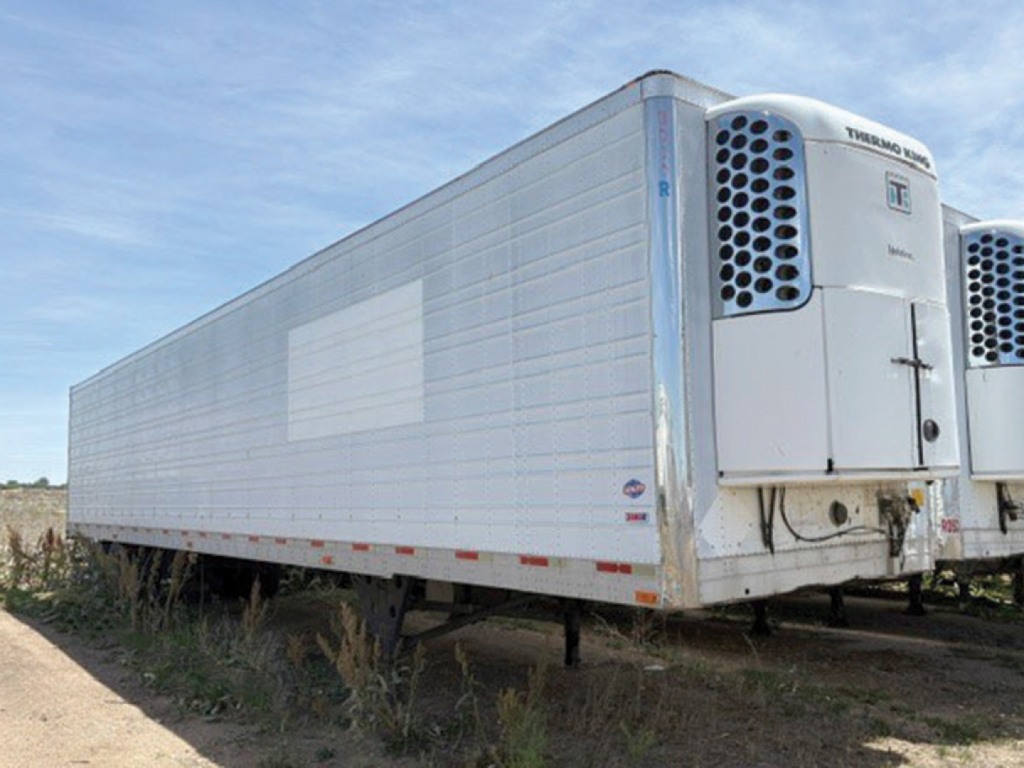
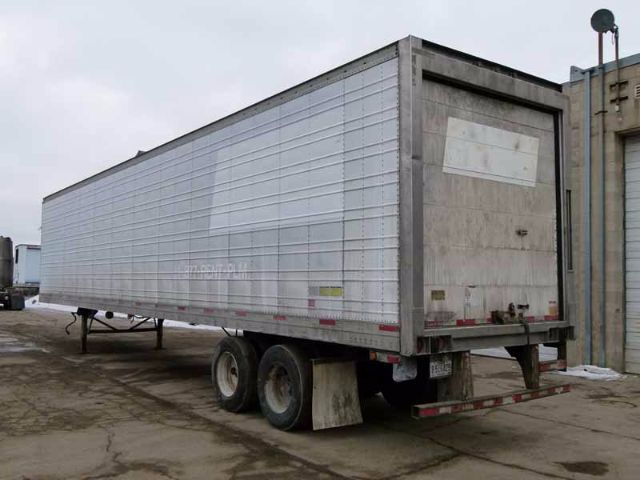
Most reefer trailers in this class are 53 feet long and 102 inches wide, with air ride suspension, tandem axles, swing doors, and an aluminum duct or flat floor designed to move air under the load. Common refrigeration units on the used market include Thermo King and Carrier systems. On an older trailer, engine hours and unit rebuild history are key checkpoints, but so are less obvious items like evaporator condition, chute integrity, return air management, and whether the trailer can still hold setpoint under heavy ambient heat. Scuff liners, stainless front corners, stainless steel door frames, rear vents, and wear bands can extend service life, especially in multi-stop grocery or dock-heavy operations.
A 2003 reefer trailer deserves a close inspection for water intrusion, delamination, floor rot or soft spots, crossmember corrosion, and damage around the front wall and door frame. Check the interior for patched insulation, gaps in seals, and signs of past impact from forklifts. Suspension type, slider function, brake condition, tire size, and wheel material also affect operating cost. If the trailer will run in California or other emissions-sensitive areas, buyers should confirm the reefer unit's compliance status and verify any engine retrofit or replacement details. Older refrigerated trailers can work well in farm, local distribution, storage, or seasonal overflow roles, but they need to be matched carefully to lane length, product sensitivity, and loading patterns.
For many fleets, the best use case for a used 2003 reefer is controlled-duty service where purchase cost matters more than maximizing trailer uptime across a national network. If the box is tight, the floor still supports airflow, and the unit starts cleanly and pulls down temperature as it should, an older reefer trailer can still earn its keep. Buyers comparing listings should pay close attention to reefer hours, maintenance documentation, door hardware, insulation condition, and signs of structural fatigue, because those factors usually determine real-world value more than age alone.
Frequently Asked Questions
What should I inspect first on a used 2003 reefer trailer?
Start with the refrigeration unit, the trailer box, and the floor. Confirm the unit starts reliably, reaches setpoint, and has documented service history, including major repairs or rebuilds. Then inspect the trailer body for water intrusion, insulation failure, soft spots in the floor, front wall damage, door seal wear, and corrosion around crossmembers and rear frame components. On an older reefer, structural and thermal integrity are usually more important than cosmetic condition.
Are 2003 reefer trailers still suitable for food-grade freight?
They can be, but suitability depends on condition, sanitation, and temperature performance rather than age alone. A 2003 reefer trailer used for food-grade hauling should have a clean interior, intact liner surfaces, solid door seals, proper airflow management, and a refrigeration unit that maintains temperature consistently. Buyers should also confirm that the trailer meets any shipper-specific standards for cleanliness, odor control, and maintenance documentation.
What reefer unit details matter most on an older refrigerated trailer?
The most important details are total engine hours, service records, overhaul history, fuel system condition, evaporator and condenser condition, and actual cooling performance under load. Buyers should ask whether the unit has had major components replaced, how often it has been serviced, and whether it can hold temperature in high ambient conditions. Compliance status may also matter if the trailer will operate in regulated states or ports.
What trailer specs are common on used reefer trailers from this era?
Many reefer trailers from this period are 53 feet long, 102 inches wide, and built with tandem axles, air ride suspension, swing rear doors, and aluminum floors designed to support air circulation. Some may have sliding tandems, scuff liners, stainless front corners, rear vents, and stainless door frames. Exact specifications vary by manufacturer and application, so buyers should compare interior height, floor type, suspension setup, and reefer unit make carefully.
Is a used 2003 reefer trailer better for over-the-road service or local work?
In most cases, a 2003 reefer trailer is a better fit for regional, local distribution, agricultural hauling, storage use, or seasonal overflow than for high-demand over-the-road freight. Older trailers can still perform well, but they usually carry more maintenance risk and may not offer the uptime predictability that large long-haul operations require. The right application depends on the trailer's structural condition, insulation quality, and refrigeration unit reliability.