
Used 1998 Reefer Trailers For Sale
Browse used 1998 reefer trailers for sale. Compare trailer body condition, insulation, floor type, suspension, and refrigeration unit serviceability.
Learn more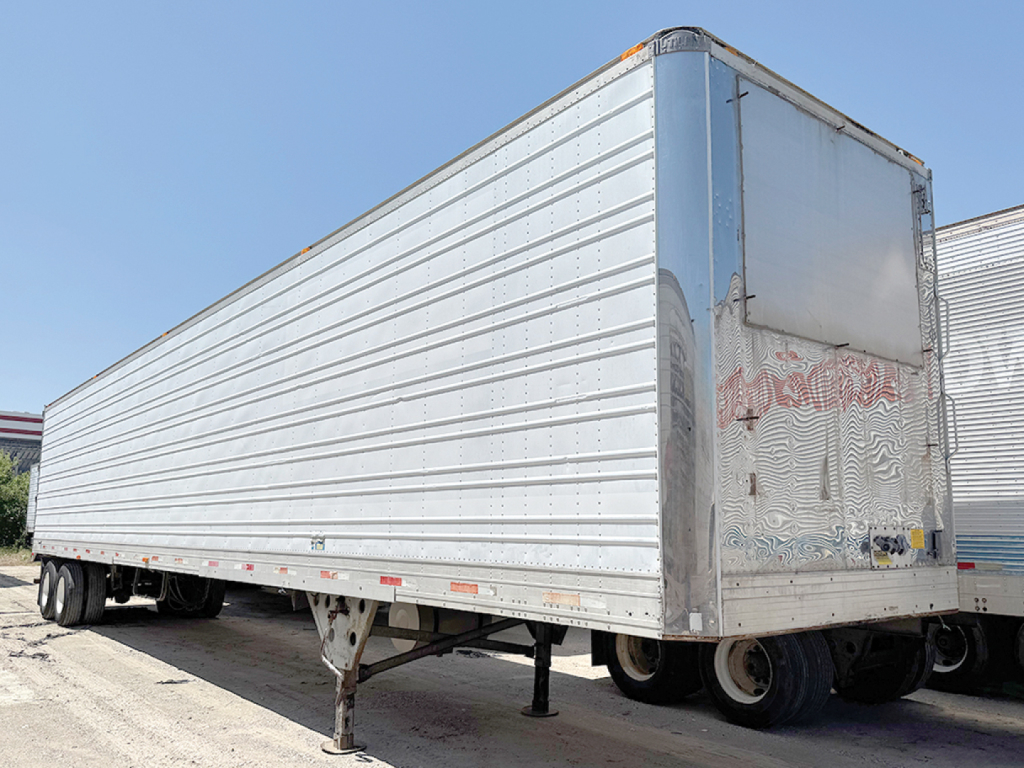

Have used 1998 reefer trailer to sell? List it here to reach thousands of buyers.
About Used 1998 Reefer Trailers
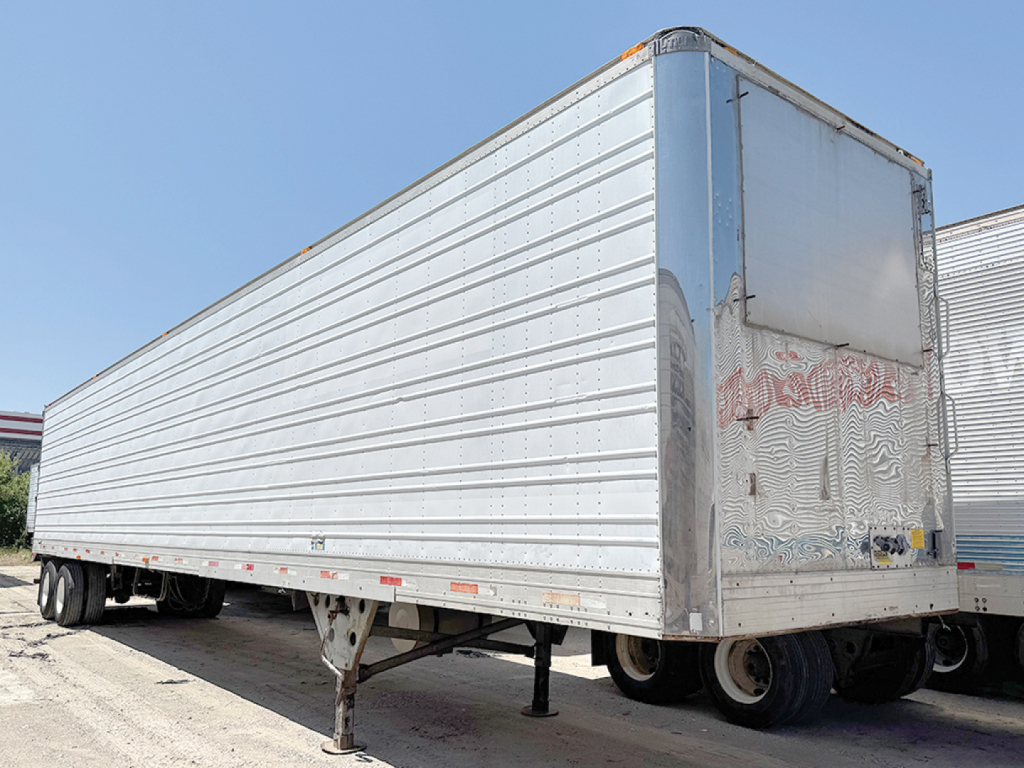
Most 1998 reefer trailers in the market are 48-foot or 53-foot tandem axle units, commonly with swing doors, duct floors, air ride suspension, and sliding tandems. Aluminum roofs and side panels are common, along with stainless steel rear frames or door hardware on better-spec trailers. Inside, buyers should inspect scuff liners, duct flooring, drain channels, and the front bulkhead for signs of forklift damage or moisture intrusion. Reefer bodies lose efficiency when insulation is compromised, so pay close attention to hot spots, patched areas, delamination, and uneven interior temperatures. Door openings, inside height, and kingpin setting also matter if the trailer will be used in mixed fleets or routed through tight dock environments.
The refrigeration unit on a 1998 trailer may be original, rebuilt, or replaced, so unit age can be very different from trailer age. Thermo King and Carrier are the names most buyers expect to see, but the real value is in service records, engine hours, controller operation, pull-down performance, and parts support. Check for clean startup, stable operating temperature, accurate setpoint control, and evidence of regular PM service. Buyers running frozen freight should be stricter on insulation and unit capacity than buyers hauling chilled product. Fuel tank condition, wiring repairs, evaporator cleanliness, and the condition of the air chute or bulkhead are also worth verifying before putting an older reefer into revenue service.
For many buyers, a used 1998 reefer trailer is a cost-driven purchase, so total operating risk should be weighed against acquisition price. Tires, brakes, wheel ends, suspension bushings, lights, ABS function, and structural crossmember condition can quickly change the economics of an older trailer. If the trailer will spend more time as stationary refrigerated storage, the refrigeration system and body tightness may matter more than tandem wear or roadability. If it will run daily over the road, look closely at frame alignment, floor life, door closure, and reefer unit reliability. The best older reefer trailers are the ones with a dry, straight box, solid floor, tight doors, and a refrigeration unit that can still hold temperature under load.
Frequently Asked Questions
What should I inspect first on a used 1998 reefer trailer?
Start with the trailer body, not just the refrigeration unit. Inspect the floor for forklift damage, soft spots, and broken duct sections. Check sidewalls and roof panels for repairs, delamination, punctures, and signs of insulation failure. Look closely at rear doors, hinges, seals, and the rear frame because air leakage and corrosion directly affect temperature control. A straight, dry box with good insulation is usually more valuable than an older trailer with a recently serviced unit but a weak body.
Can a 1998 reefer trailer still be used for over-the-road freight?
Yes, but it depends on condition, maintenance history, and the freight profile. A 1998 reefer trailer can still handle regional or dedicated service if the structure is sound and the reefer unit performs correctly. Buyers hauling high-value frozen or strict food-grade freight should verify pull-down time, temperature consistency, and body insulation very carefully. Older reefers are often a better fit for shorter runs, seasonal produce, local cold storage support, or private fleet use where downtime risk is easier to manage.
How important is the refrigeration unit age on a 1998 reefer trailer?
It is extremely important because trailer age and refrigeration unit age are often not the same. Many older reefer trailers have had the original unit replaced or rebuilt, which can improve serviceability and parts availability. Buyers should check engine hours, repair records, controller function, fuel system condition, and actual operating performance rather than assuming the unit matches the trailer year. A newer replacement unit on an older but structurally sound trailer can be a practical combination if the body still holds temperature efficiently.
What are common problems with older reefer trailers?
Common issues include weakened insulation, floor damage from repeated forklift traffic, leaking door seals, roof patching, corrosion at the rear frame, wiring repairs, suspension wear, and refrigeration units with high hours or inconsistent temperature control. Moisture intrusion is especially important because it can reduce thermal efficiency and create hidden structural damage over time. Buyers should also inspect wheel ends, brakes, ABS, slider operation, and crossmembers because deferred roadability repairs can add up quickly after purchase.
Is a used 1998 reefer trailer a good choice for refrigerated storage?
It can be a very practical option for stationary or limited-mobility cold storage if the box is tight and the reefer unit runs reliably. In storage applications, buyers often place more value on insulation integrity, door seal condition, and refrigeration performance than on tire life, suspension condition, or tandem wear. Electrical availability, fuel access, operating hours, and service support for the unit should still be considered. For many operations, an older reefer trailer can provide low-cost supplemental refrigerated space without the expense of a newer road trailer.