
Used 1995 Reefer Trailers For Sale
Browse used 1995 reefer trailers for sale. Compare dimensions, reefer unit condition, insulation, floor type, suspension, and door setup.
Learn more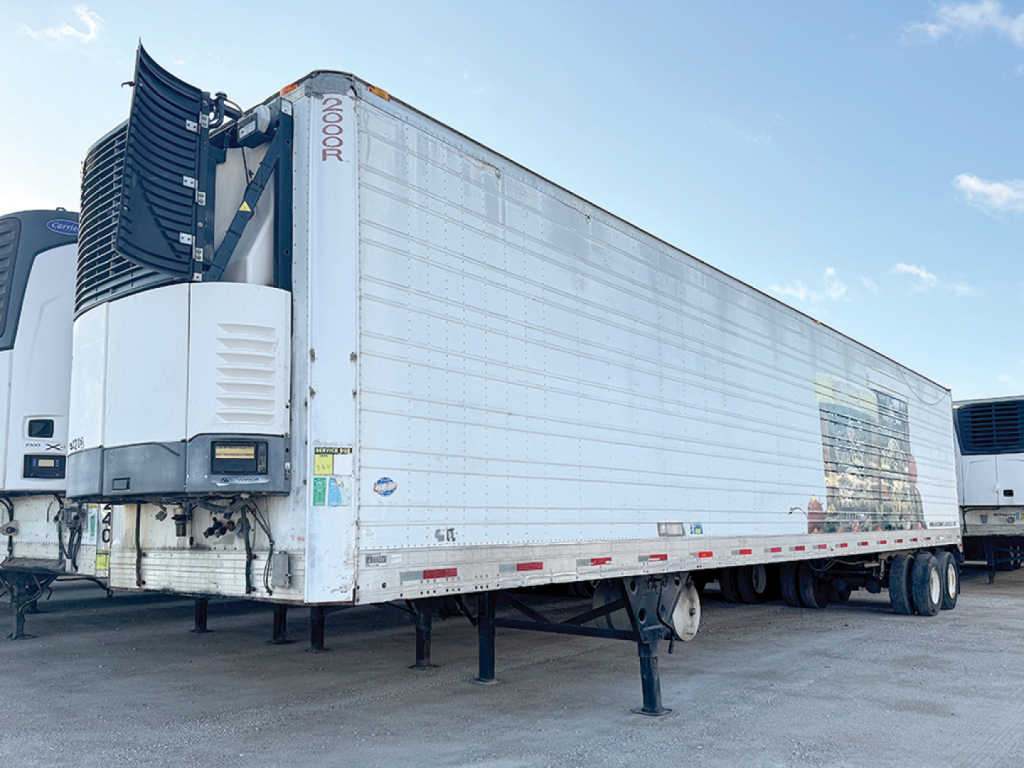
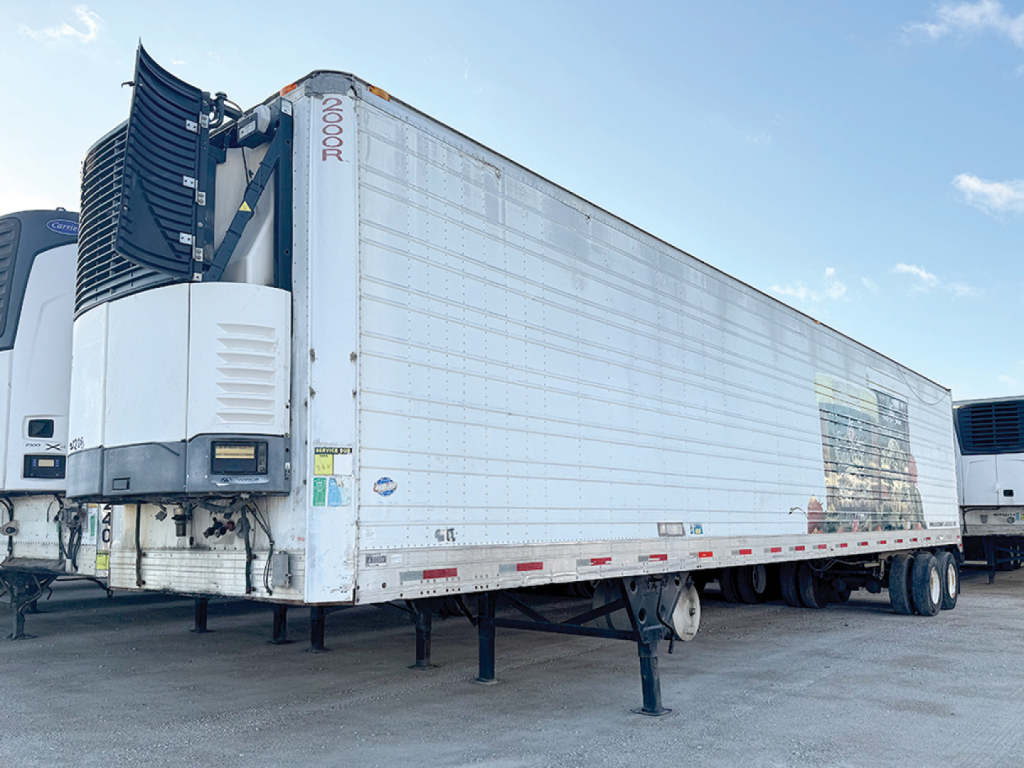
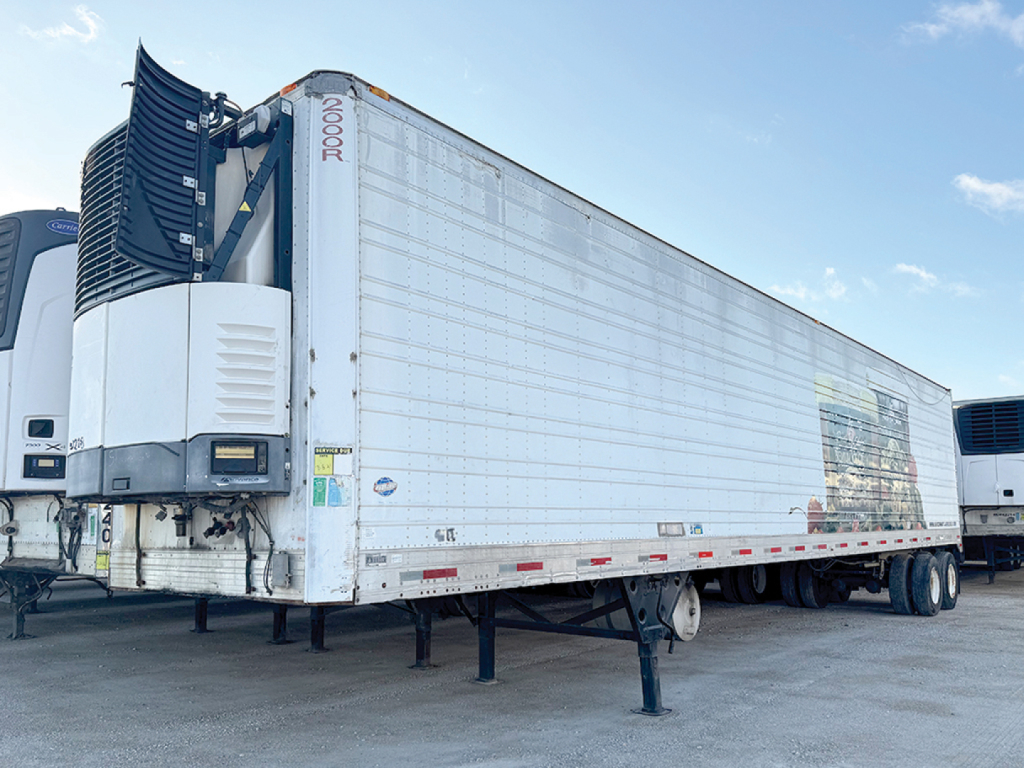
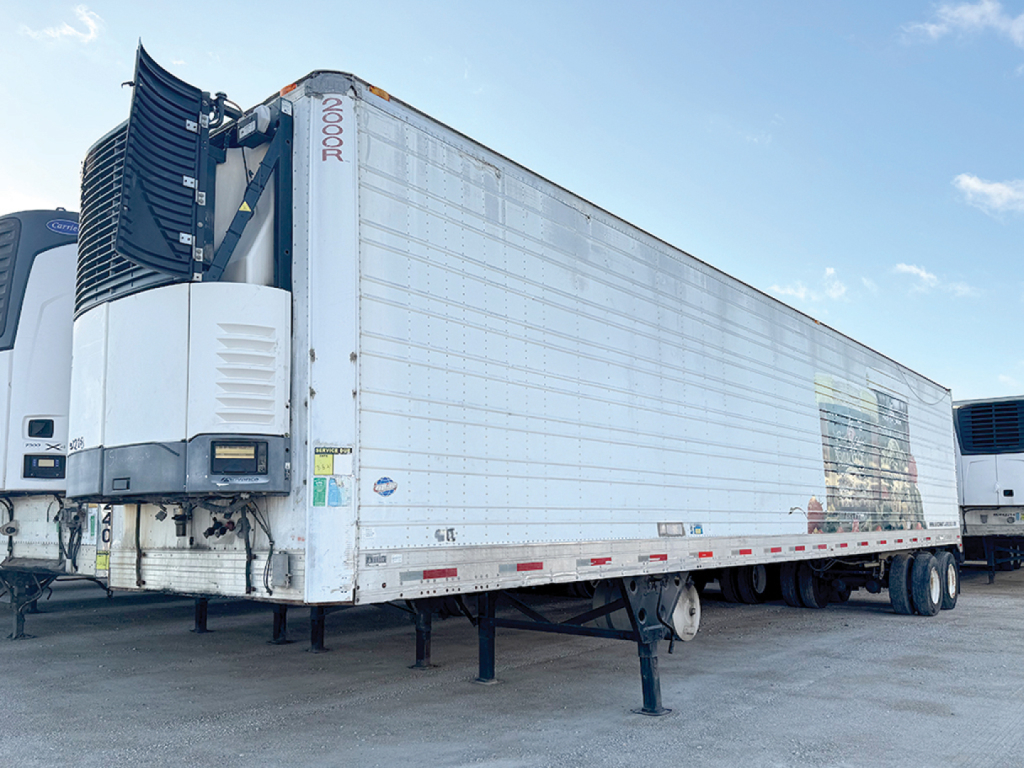

Have used 1995 reefer trailer to sell? List it here to reach thousands of buyers.
About Used 1995 Reefer Trailers
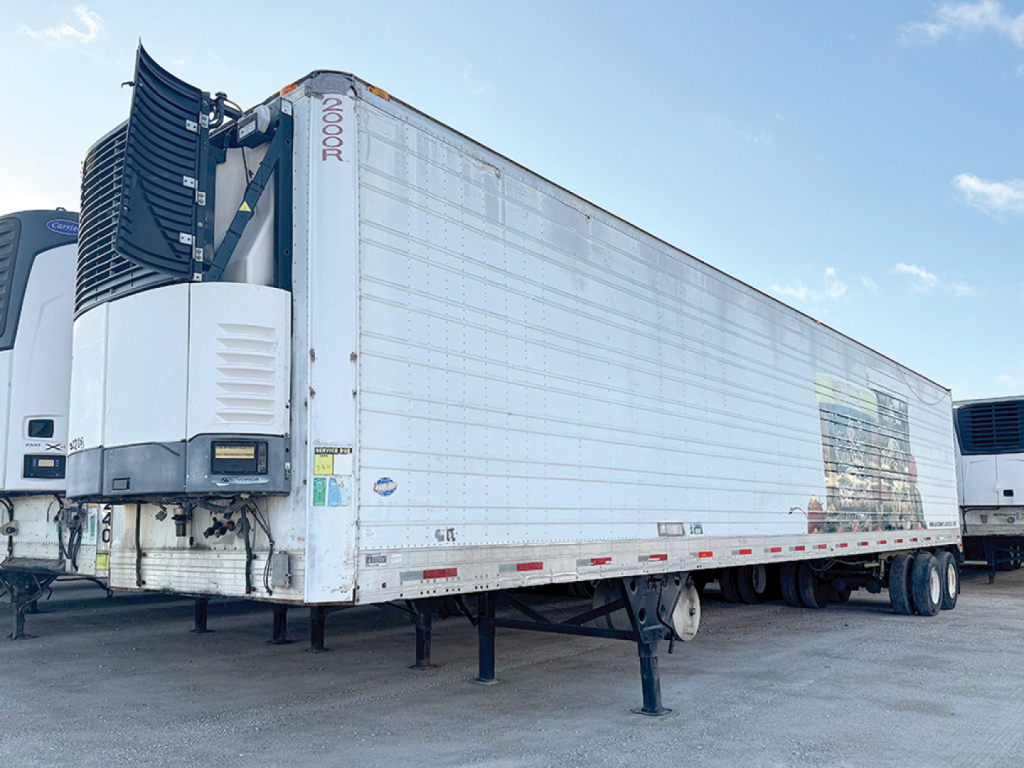
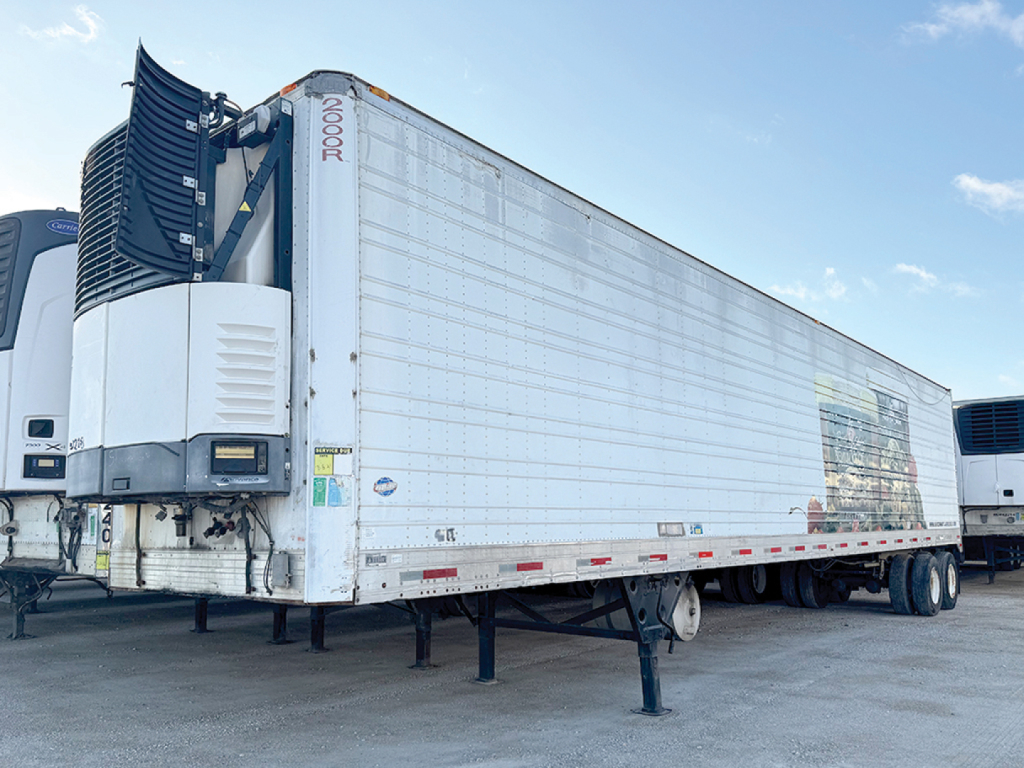
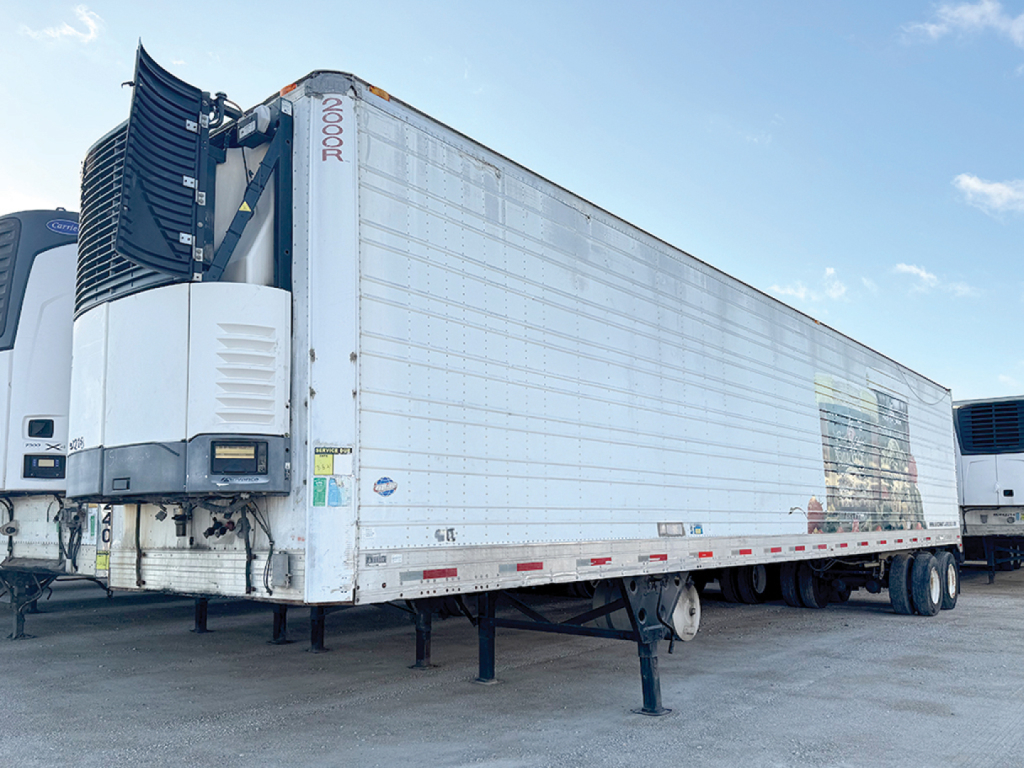
Most buyers start with the trailer body. Common specs in the reefer category include 48-foot and 53-foot lengths, 102-inch width, swing doors, aluminum duct or flat floors, scuff liners, and either air ride or spring suspension. On older trailers, inspect the floor carefully for crushed duct channels, soft spots, and heavy forklift damage near the threshold. Check the front wall, roof seams, door frame, and lower side panels for delamination, moisture intrusion, and corrosion. Reefer trailers depend on insulation and air circulation, so a worn chute, damaged bulkhead, missing scuff protection, or leaking rear doors can reduce temperature control and fuel efficiency fast.
The refrigeration unit is the other major decision point. Many 1995 reefer trailers have been repowered, retrofitted, or had the original unit replaced at some point, so the trailer year and unit year are often very different. Buyers should verify reefer make and model, engine hours, compressor condition, evaporator performance, and parts availability for the unit currently installed. Thermo King and Carrier are the names most operators look for because service networks and technician familiarity are broader. It is also smart to confirm fuel tank condition, unit startup behavior, defrost operation, return-air and discharge-air performance, and whether the trailer can maintain temperature during pulldown and repeated door openings.
Older reefer trailers are usually best suited for operations where purchase price matters more than maximizing cube, appearance, or the latest fleet spec. Regional foodservice, warehouse shuttles, on-site cold storage, and agricultural use are common applications. Buyers should also check tandem slider operation, kingpin setting, brake type, tire size, wheel condition, and any tire inflation system upgrades. If the trailer will run over-the-road, pay close attention to empty weight, suspension wear, legal lighting, and dock hardware. A solid used 1995 reefer trailer can still earn its keep, but only if the body is dry, the floor is serviceable, and the refrigeration unit can be maintained without turning every repair into a parts hunt.
Frequently Asked Questions
What should I inspect first on a used 1995 reefer trailer?
Start with the box and the refrigeration unit. Check for water intrusion, soft floors, crushed duct flooring, damaged door seals, and signs of insulation failure such as delamination or interior staining. Then inspect the reefer unit for startup quality, hour meter reading, service records, temperature pull-down, defrost function, and parts support. On a trailer this age, structural condition and unit serviceability usually decide the real value.
Can a 1995 reefer trailer still be used for over-the-road refrigerated freight?
It can, but suitability depends on current condition, not model year alone. A well-maintained older reefer with a tight insulated body, dependable unit, sound suspension, and legal running gear may still fit regional or secondary over-the-road work. Many buyers use these trailers more successfully for short-haul distribution, storage, or dedicated lanes where downtime risk and customer appearance standards are easier to manage.
Is the refrigeration unit on a 1995 reefer trailer usually original?
Not always. Many older reefer trailers have had the refrigeration unit replaced, rebuilt, or updated, so the unit may be much newer than the trailer itself. That is why buyers should confirm the reefer unit make, model, serial information, and service history separately from the trailer VIN and build date. A newer, supportable unit can add practical value to an older trailer body.
What floor type is best on an older reefer trailer?
That depends on the freight and loading method. Aluminum duct floors are common because they support airflow under the load, which helps maintain even temperature. The tradeoff is that they can suffer forklift and pallet jack damage over time. Flat floors may be easier for some loading patterns, but they still need to be checked for wear, cracks, and structural fatigue. The best floor is one that remains structurally sound and allows the unit to move air correctly.
Are used 1995 reefer trailers good for cold storage use?
Yes, many older reefer trailers are purchased specifically for stationary or limited-mobility cold storage. That application reduces wear on suspension and running gear and can make an older trailer economically useful for produce, dairy, floral, beverage, or overflow warehouse capacity. Buyers should still verify insulation integrity, door sealing, and reefer unit reliability because storage use still depends on stable temperature retention.