
Unknown Reefer Trailers For Sale
Browse used reefer trailers for sale, including 53-foot refrigerated trailers with air ride, insulated bodies, scuff liners, and Carrier units.
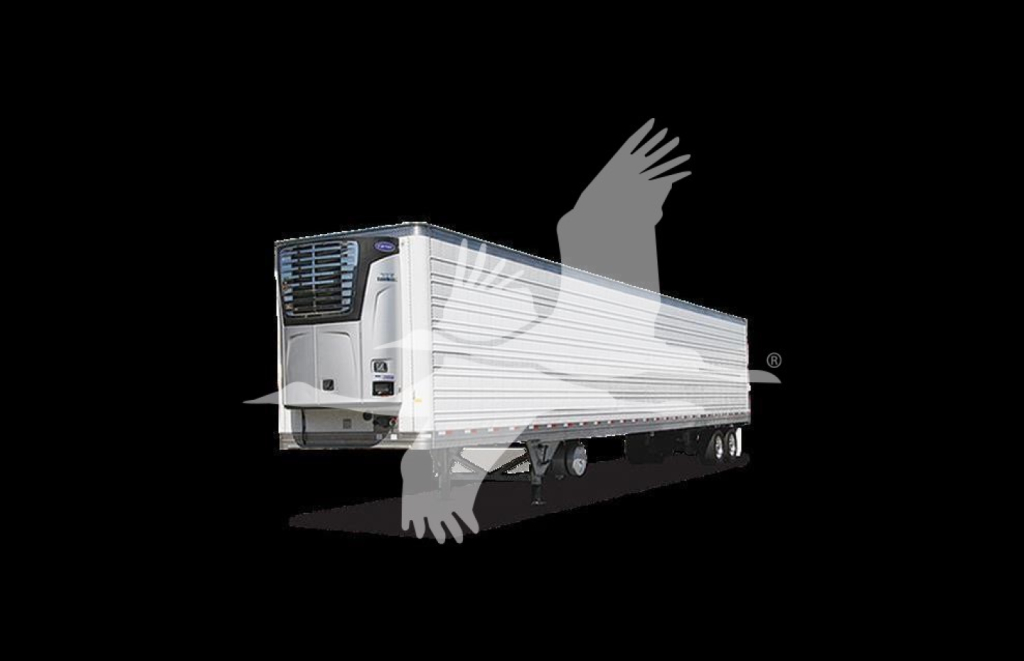
Selling a unknown reefer trailer? List your unknown reefer trailer for sale and reach thousands of commercial buyers.
Unknown Reefer Trailers
A used reefer trailer should be evaluated as both a trailer and a refrigeration system. Trailer-side details like floor condition, scuff liners, logistic posts, roof integrity, and door seals can make the difference between a dependable cold-chain asset and a unit that struggles to hold temperature under load. Flat floors are common, but buyers should look closely for soft spots, patchwork, or heavy forklift wear, especially near the rear threshold. Roll-up doors are often preferred in dock environments where repeated stops are common, though they can reduce clear opening height compared with swing doors. Insulated sidewalls, a reefer chute, and clean interior lining all help maintain even air circulation and reduce temperature swing from nose to rear.
On the refrigeration side, unit make and operating condition are major buying points. Carrier and Thermo King dominate the market, and parts access, local dealer support, and controller familiarity often influence the decision as much as price. Start-run capability, hour meter history, defrost performance, and how quickly the unit pulls down to setpoint deserve close attention. Buyers hauling frozen freight usually need stronger confidence in insulation, door seal integrity, and unit performance than operators running higher-temp dairy or produce lanes. If the trailer will cross regions with strict food safety requirements, it also helps to confirm the reefer can maintain steady temperatures during frequent stops, high ambient heat, and long dwell times.
Suspension, axle setting, and general structural condition still matter because a reefer spends its life under heavy, high-value loads. Air ride is common for ride quality and cargo protection, and sliding tandems give flexibility for bridge laws and axle compliance. Steel disc wheels, DOT-ready lighting, mudflaps, and a sound undercarriage are baseline items, but buyers should also inspect crossmembers, rear frame, and landing gear for corrosion or impact damage. For many operations, the best reefer trailer is not just the coldest one. It is the one with a solid box, dependable unit, clean insulation package, and a spec that matches the freight profile and delivery pattern.
Frequently Asked Questions about Unknown Reefer Trailers
What is the most common reefer trailer size and configuration?
The most common reefer trailer on the used market is a 53-foot by 102-inch model with tandem sliding axles, air-ride suspension, an aluminum body, and an insulated interior. This setup works well for general food distribution, grocery freight, and long-haul refrigerated lanes because it balances cubic capacity, dock compatibility, and axle flexibility.
What should I inspect first on a used reefer trailer?
Start with the refrigeration unit, insulation package, floor, and door seals. A reefer trailer can look acceptable outside and still have expensive issues if it cannot pull down to temperature, hold setpoint, or circulate air properly. Check for reefer unit hours, start-run operation, visible damage to the evaporator area, interior liner condition, floor wear from forklifts, and any gaps or compression issues at the doors.
Are roll-up doors good for reefer trailers?
Roll-up doors are popular for multi-stop delivery work because they are fast at the dock and reduce the chance of door damage in tight spaces. The tradeoff is that they can reduce clear rear opening height and add maintenance points compared with swing doors. For city routes and foodservice applications, they are often a practical choice. For maximum opening clearance and simpler rear-door hardware, some buyers prefer swing doors.
How important is the reefer unit brand on a used trailer?
The reefer unit brand matters because service access, technician familiarity, controller setup, and parts availability all affect uptime. Carrier and Thermo King are the most recognized names in the market, and many buyers stay with the brand their shop already supports. A well-maintained unit with documented service history is usually more valuable than a lower-priced trailer with an unknown maintenance record.
Can an older reefer trailer still be a good buy?
Yes, if the trailer body is structurally sound and the refrigeration system has been maintained properly. Age alone does not decide value in this category. Buyers should focus on insulation integrity, floor and wall condition, door seal performance, undercarriage health, and reefer unit service history. An older trailer with a dependable unit and a tight, dry box can still perform well in many regional and dedicated applications.