
Hyundai Reefer Trailers For Sale in North Carolina

Have hyundai reefer trailer to sell? List it here to reach thousands of buyers.
Hyundai Reefer Trailers in North Carolina
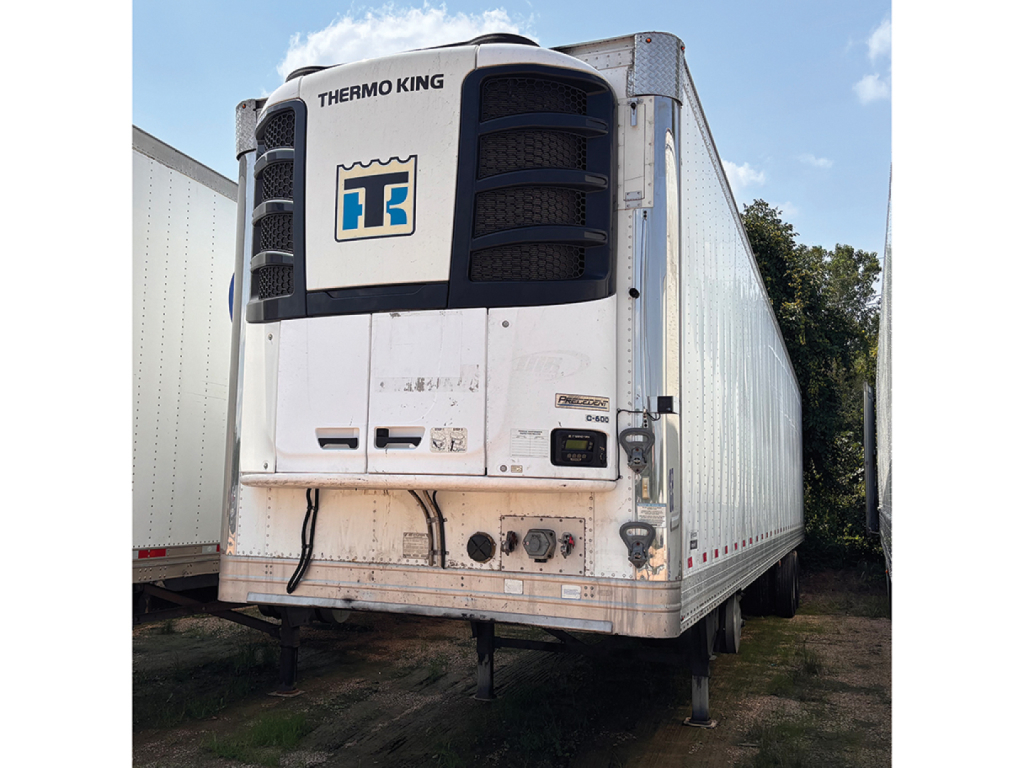
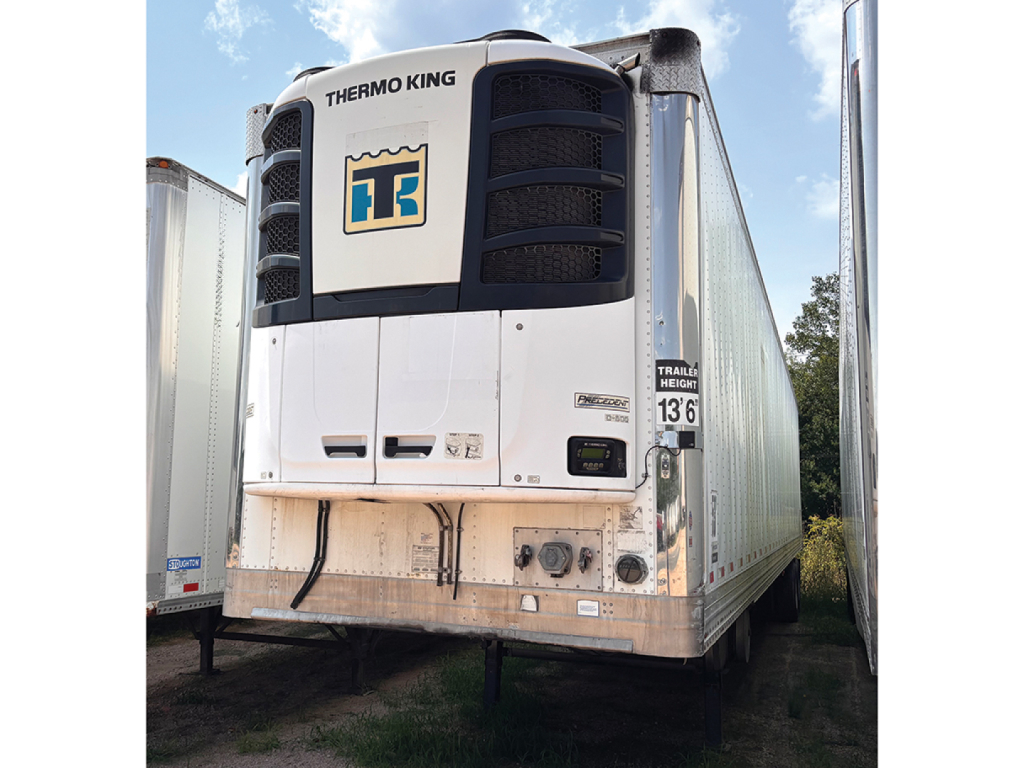
The first decision is usually the refrigeration unit and floor design. Many Hyundai reefers are paired with Carrier or Thermo King units, and buyers should compare hours, maintenance records, fuel system condition, and how well the unit holds setpoint under load. A heavy-duty aluminum duct floor is typical and important because reefer trailers depend on consistent air channeling under the freight. If the floor is damaged, patched incorrectly, or blocked by loading practices, cooling performance suffers. Interior condition also matters more than many first-time buyers expect. Check lining, insulation integrity, door seals, bulkhead fitment, and evidence of moisture intrusion, since all of those affect pull-down time and temperature retention.
Door configuration changes how the trailer works day to day. Swing rear doors are common for full dock loading and can offer a strong seal with fewer moving parts, while roll-up doors can help in multi-stop delivery work where drivers need quick access and less rear door swing clearance. Stainless steel door frames are a plus for durability and corrosion resistance, especially in humid coastal and eastern North Carolina environments. On the running gear side, sliding tandems help with bridge law compliance and dock positioning, and low-profile 22.5 tires are often seen on these trailers. Buyers should also inspect brakes, wheel-end history, suspension wear, and overall alignment because reefer trailers spend a lot of time at highway speed under consistent weight.
Hyundai refrigerated trailers are also known as reefer trailers, refrigerated vans, or temperature-controlled trailers. The brand is widely recognized in fleet service, which can make parts sourcing and repair familiarity easier for larger operations and owner-operators alike. When comparing used Hyundai reefers, focus less on model year alone and more on reefer unit condition, floor and wall integrity, door type, suspension spec, and signs of hard grocery or warehouse yard use. A clean trailer with a well-documented Carrier X4 or Thermo King Precedent unit can be more valuable in actual service than a newer trailer with poor maintenance history.
Frequently Asked Questions about Hyundai Reefer Trailers in North Carolina
What should I look at first when buying a used Hyundai reefer trailer?
Start with the refrigeration unit, then move to the trailer body. Unit hours, service records, recent repairs, and the ability to maintain temperature under load matter as much as the trailer year. After that, inspect the floor channels, insulation, interior lining, door seals, and any signs of water intrusion or impact damage. A reefer trailer is only as good as its temperature control and structural integrity.
Are Hyundai reefer trailers good for regional food and grocery freight in North Carolina?
Yes. Hyundai reefer trailers are commonly spec'd for standard regional and over-the-road refrigerated work, including grocery, dairy, frozen freight, and produce lanes. In North Carolina, a 53-foot Hyundai reefer fits well for distribution routes tied to Charlotte, the Triad, Raleigh, Wilmington, and interstate freight corridors. The key is matching the reefer unit capacity and door style to the stop frequency and product mix.
Is a swing door or roll-up door better on a reefer trailer?
It depends on the application. Swing doors are typically preferred for full dock loading because they provide a wide opening and usually a strong seal with simpler hardware. Roll-up doors can be useful for multi-stop delivery operations where drivers need faster access and limited rear clearance. Buyers should weigh convenience against seal quality, maintenance needs, and the type of freight being handled.
Why is the floor so important on a refrigerated trailer?
The floor is critical because refrigerated trailers rely on airflow under the cargo to distribute cold air evenly. Heavy-duty aluminum duct floors are designed to maintain that airflow while supporting palletized loads. If the floor is crushed, blocked, or repaired poorly, the trailer may struggle to hold consistent temperatures from front to rear. That can lead to rejected loads, especially in food-grade service.
Which is more important on a used reefer trailer, the trailer age or the reefer unit condition?
In many cases, reefer unit condition is more important than trailer age. A well-maintained older Hyundai reefer with documented service on a Carrier or Thermo King unit can outperform a newer trailer with neglected maintenance. Buyers should still inspect the trailer structure, roof, crossmembers, and doors, but temperature-control reliability is what drives uptime and revenue in reefer service.