
Used 2014 Great Dane Reefer Trailers For Sale
Shop used 2014 Great Dane reefer trailers. Compare 53-foot specs, reefer unit setups, floors, doors, suspension, and trailer condition.

Have used 2014 great dane reefer trailer to sell? List it here to reach thousands of buyers.
Used 2014 Great Dane Reefer Trailers
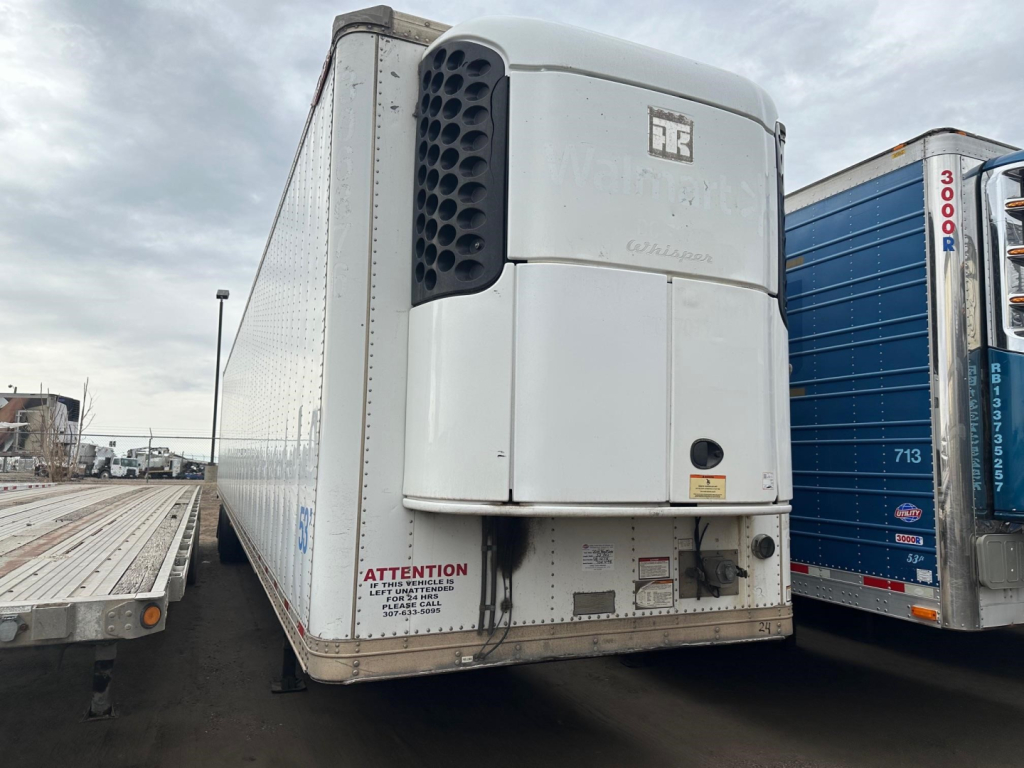
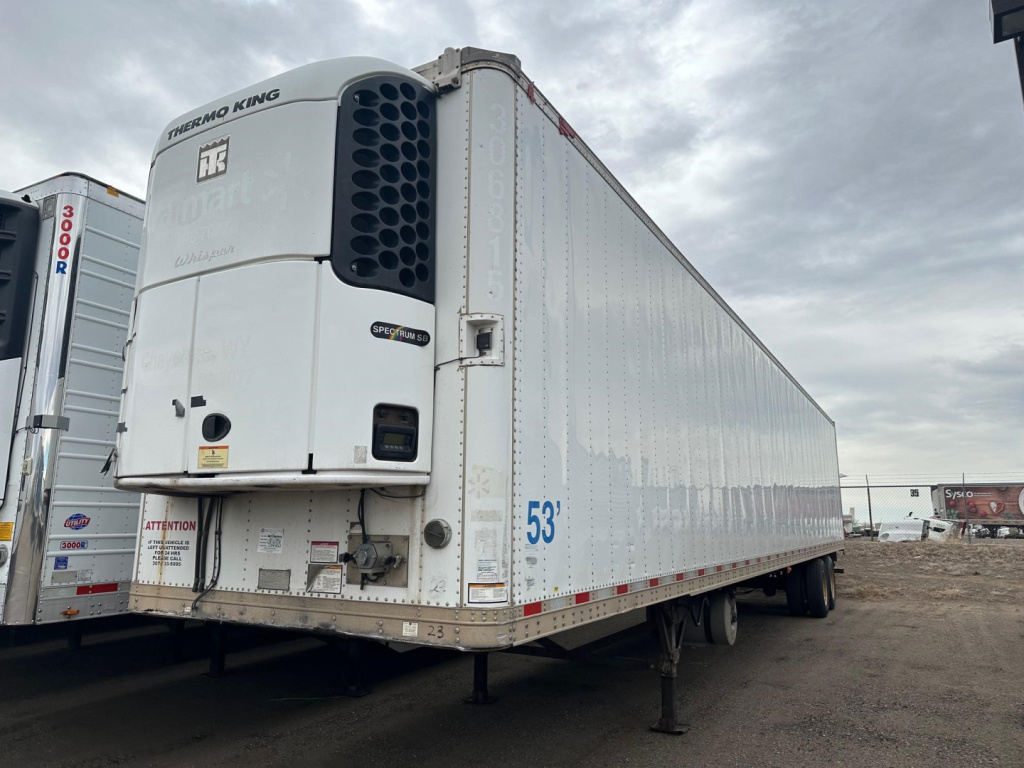
Most 2014 Great Dane reefer trailers in this class are 53 feet long, 102 inches wide, and set up with tandem sliding axles to stay flexible on bridge law and dock positioning. Common spec points include aluminum duct or flat floors, scuff liners or scuff plates, stainless rear door frames, swing doors or roll-up doors, and either air ride or spring suspension depending on original fleet application. Buyers moving palletized food often prefer a duct floor and chute for consistent air delivery from the nose to the rear. Multi-temp work adds another layer of complexity, so bulkhead compatibility, evaporator setup, and interior track or logistics posts can matter if the trailer was built for route distribution instead of straight truckload service.
On a used 2014 reefer, inspection discipline is more important than brand name alone. Look closely at reefer unit service records, engine hours, start-stop history, discharge and return air performance, and any evidence of repeated fuel, DEF, or electrical issues if equipped. Check the floor for soft spots, patchwork, or heavy forklift damage around the threshold and first few feet inside the doors. Inspect the front wall, roof seams, lower rail, crossmembers, and tandem slider area for corrosion, cracking, or impact repairs. Tire size, wheel type, brake condition, and suspension bushing wear also deserve attention because maintenance costs can stack up quickly on an older refrigerated trailer.
Great Dane remains a strong name in the reefer trailer market because replacement parts, service familiarity, and resale demand are generally favorable. For many operations, a 2014 model makes sense as a regional food-service trailer, seasonal produce hauler, cold-storage shuttle, or backup over-the-road reefer. The best value usually comes from matching the trailer’s body condition and refrigeration spec to the freight profile. A clean single-temp trailer may be ideal for frozen lanes, while a former route-delivery or multi-temp configuration can be more useful for mixed-stop distribution if the interior layout still fits your operation.
Frequently Asked Questions about Used 2014 Great Dane Reefer Trailers
What should I inspect first on a used 2014 Great Dane reefer trailer?
Start with the trailer body and the refrigeration unit together, because temperature performance depends on both. Check for insulation damage, water intrusion, rear frame wear, floor condition, door seals, and visible repairs to the nose, roof, or lower rails. Then review reefer unit hours, maintenance records, alarm history, and actual cooling performance. A strong unit on a weak box, or a clean box with a neglected unit, can both turn into expensive downtime.
Are 2014 Great Dane reefer trailers usually 53-foot trailers?
Yes, most used 2014 Great Dane reefer trailers on the market are 53 feet long and 102 inches wide, which is the standard over-the-road refrigerated trailer format. Many are also spec'd at 13 feet 6 inches overall height with tandem sliding axles. That said, exact dimensions, inside height, and axle settings can vary by original fleet order, so buyers should confirm legal length, kingpin setting, and tandem spread before assigning the trailer to a lane.
What floor and door options matter most on a reefer trailer?
Floor design directly affects airflow, sanitation, and forklift durability. Aluminum duct floors are common on reefer trailers because they help move cold air under the freight, while flat floors may suit some specialized applications. On the rear, swing doors are common for full truckload work and sealing performance, while roll-up doors can be useful in route distribution but may reduce clear opening height and add maintenance points. Door seals, hinge wear, and threshold condition are critical regardless of door style.
Is a used 2014 Great Dane reefer trailer still a good choice for food hauling?
It can be, provided the trailer passes a thorough inspection and meets current operational and compliance requirements. Many 2014 reefers remain productive in grocery, frozen, produce, and warehouse shuttle service if the insulation is intact, the floor is sound, and the reefer unit has been maintained correctly. Buyers should also verify the refrigeration unit's emissions compliance, service support in their region, and suitability for the temperature range and run profile they expect.
What is the difference between a single-temp and multi-temp Great Dane reefer trailer?
A single-temp reefer trailer is designed to hold one temperature throughout the cargo box, which is ideal for straight truckload freight with a consistent product requirement. A multi-temp trailer uses partitions, additional evaporator components, or specific air management setups to maintain different temperature zones in one trailer. Multi-temp trailers are common in food-service and stop-route distribution, but they are more complex and should be evaluated carefully for bulkhead condition, interior layout, and refrigeration system functionality.