
Dorsey Reefer Trailers For Sale
Shop Dorsey reefer trailers with common specs, Thermo King or Carrier setups, 48-foot lengths, and buyer tips on insulation, floors, and unit hours.
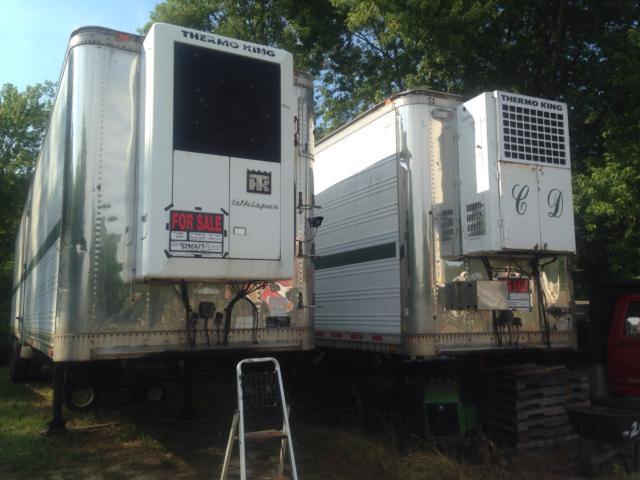
Selling a dorsey reefer trailer? List your dorsey reefer trailer for sale and reach thousands of commercial buyers.
Dorsey Reefer Trailers
A serious reefer trailer evaluation starts with the refrigeration system, but it should not stop there. Unit hours, service records, pull-down performance, and fuel system condition tell you how the reefer has been maintained. Then look closely at the trailer body. Check the front wall, roof seams, rear frame, door gaskets, and interior liner for signs of water intrusion or insulation breakdown. Aluminum floors, scuff liners, corrugated sidewalls, stainless front caps, and swing rear doors are all common details that affect long-term durability and cleanability. If the trailer has a side door, verify seal condition and frame alignment, since side openings can become a source of temperature loss if they are worn or damaged.
Running gear matters more than many buyers expect on reefer trailers because the payload is time-sensitive and roadside downtime is expensive. Tandem axle layouts with sliding suspensions are common, and buyers should confirm suspension type, axle spacing, brake condition, tire age, wheel-end health, and overall alignment. Spring ride suspensions are still found on older trailers, while air ride may be preferred for more delicate loads. Tire size, wheel material, crossmember condition, and kingpin area wear are worth checking closely, especially on older Dorsey units that may have seen years of regional grocery, produce, dairy, or frozen food service.
Dorsey reefer trailers can be a practical fit for carriers hauling frozen foods, meat, produce, dairy, and other perishable freight, as well as operators needing cold storage support at docks or yards. The right trailer depends on temperature range, lane length, loading frequency, and how strict the shipper is on sanitation and temperature recovery. A buyer comparing listings should weigh reefer hours, body condition, floor type, door configuration, and maintenance history together instead of focusing on price alone. On this equipment class, a trailer with a clean insulated box and a well-documented reefer unit usually brings more usable service life than one that only looks decent from the outside.
Frequently Asked Questions about Dorsey Reefer Trailers
What should I inspect first on a used Dorsey reefer trailer?
Start with the refrigeration unit and the trailer body as a system. Confirm the reefer starts cleanly, holds set temperature, and has reasonable service history and operating hours for its age. Then inspect the box for soft spots in the floor, damaged scuff liners, roof or front wall leaks, bad door seals, and signs of insulation failure. A reefer trailer can look usable externally and still lose temperature because of body damage or degraded insulation.
Are older 48-foot Dorsey reefer trailers still useful in commercial service?
Yes, many older 48-foot Dorsey reefer trailers can still work well in regional and secondary market applications if the structure and refrigeration system are sound. They are often used for produce runs, frozen freight, local distribution, or stationary cold storage support. The deciding factors are usually reefer performance, floor and wall condition, brake and tire life, and whether the trailer meets the shipper's current loading and food-safety requirements.
How important are reefer unit hours on a Dorsey trailer?
Reefer unit hours are one of the most important indicators of wear, but they should be evaluated with maintenance history, not by themselves. A higher-hour unit with documented service, clean pull-down performance, and good temperature control can be a better buy than a lower-hour unit with poor maintenance. Buyers should also verify the condition of belts, hoses, fuel components, controls, and the evaporator and condenser areas.
What trailer features matter most for food-grade reefer hauling?
For food-grade work, buyers typically look for an insulated box in good condition, an aluminum floor with proper drainage and airflow, intact scuff protection, tight swing doors, and an interior that can be cleaned and sanitized easily. Stainless front sections, rear frames, and durable interior liners can help with long-term corrosion resistance. If the trailer is multi-temp or has side doors, make sure partitions, seals, and framing are still doing their job without compromising temperature control.
What axle and suspension setup is common on Dorsey reefer trailers?
Many Dorsey reefer trailers in the used market are tandem axle trailers with a sliding suspension. Older units may have spring ride, while some buyers prefer air ride for better protection of delicate refrigerated freight. The best setup depends on your lanes, dock requirements, and the weight and sensitivity of the product being hauled. Suspension wear, slider operation, and axle alignment are all important checks before purchase.