
2026 Reefer Trailers For Sale
Shop 2026 reefer trailers with key specs on insulation, reefer units, floors, suspension, and fuel-saving options for cold-chain freight.
Learn moreBrowse Reefer Trailers by Make
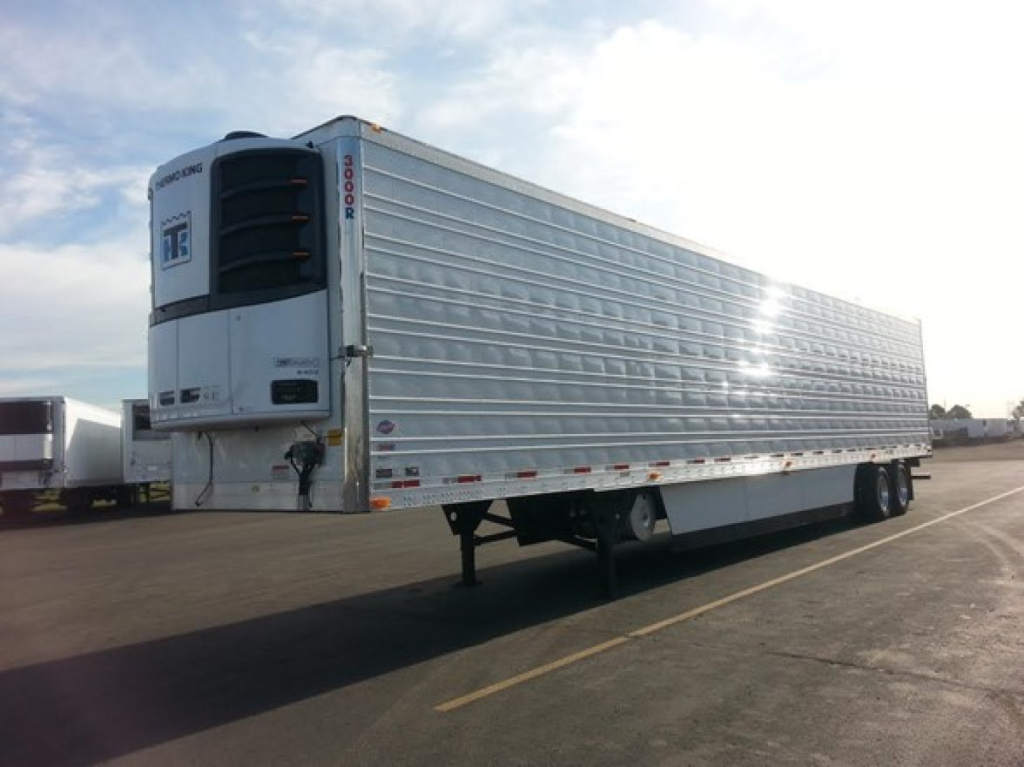
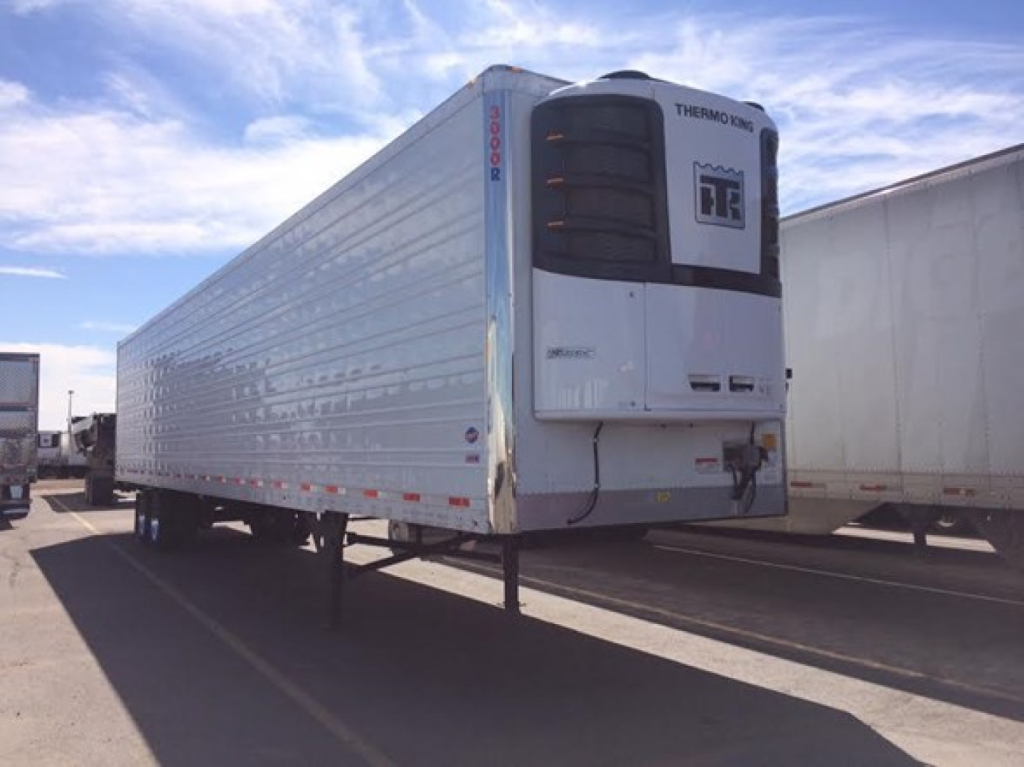
Showing 13 to 14 of 14 results
Have 2026 reefer trailer to sell? List it here to reach thousands of buyers.
About 2026 Reefer Trailers
The trailer body and interior spec have a direct effect on temperature pull-down, fuel consumption, and product protection. Common features include polyurethane foamed-in-place insulation, aluminum or stainless front and rear components, stainless door frames, swing rear doors, scuff liners, and duct or deep-duct floors that maintain airflow under pallets. A bulkhead and air chute are especially important for even air distribution in long-haul or multi-temp-sensitive applications. Buyers comparing 2026 reefer trailers should also look closely at interior height, door opening dimensions, sidewall lining material, E-track or logistics posts, and floor rating. Stronger floor construction and good airflow management help prevent hot spots, reduce cargo damage, and support heavier palletized loads.
Running gear and efficiency options matter because reefers live expensive lives. Air ride suspension is common for load protection, while sliding tandems help with bridge law compliance and dock positioning. Tire inflation systems, disc brakes, aerodynamic side skirts, roll-stability systems, and low-maintenance galvanized or stainless components can reduce downtime and operating cost over the life of the trailer. Refrigeration units from major suppliers like Carrier and Thermo King are typical in this class, and buyers should compare unit series, operating hours if used, service network access, telematics compatibility, and maintenance history. On new-model-year reefer trailers, fuel-saving gains often come from tighter panel construction, improved thermal efficiency, and corrosion-resistant materials that hold value longer.
A good 2026 reefer trailer spec balances payload, thermal integrity, serviceability, and resale. Regional produce and foodservice operations may prioritize frequent-door-cycle recovery and durable interior lining, while long-haul frozen carriers often focus on insulation performance, fuel capacity, and continuous-run reliability. Details such as kingpin setting, tandem slide length, dock protection, wheel material, tire size, and tire monitoring can affect compatibility with your fleet and maintenance practices. When comparing listings, focus less on brand alone and more on the complete trailer package: box construction, reefer unit, airflow system, suspension, brake spec, and corrosion protection. That combination determines how well the trailer protects freight and how much it costs to own.
Frequently Asked Questions
What should I look for first when buying a 2026 reefer trailer?
Start with the freight profile and temperature requirement. A trailer hauling frozen foods on long runs needs a different refrigeration and insulation package than one doing multi-stop grocery or produce delivery. After that, focus on box construction, floor type, air chute and bulkhead setup, interior dimensions, suspension, and brake spec. The most important comparison is how the full trailer package supports temperature control, payload, and maintenance cost in your lane mix.
What floor type is best in a reefer trailer?
A duct or deep-duct floor is the standard choice for most reefer applications because it allows cold air to move under the load and back through the trailer. That airflow is critical for maintaining even temperatures from nose to doors. Floor strength also matters, especially with heavy palletized freight and frequent forklift traffic. Buyers should confirm both airflow performance and floor rating, not just floor material.
Are air ride suspension and sliding tandems important on reefer trailers?
Yes. Air ride suspension helps protect sensitive or high-value temperature-controlled cargo by reducing shock and vibration. Sliding tandems remain important for bridge compliance, axle weight distribution, and operational flexibility at shippers, receivers, and tight docks. These features are common on 53-foot reefer trailers and are worth evaluating closely because they affect both cargo protection and day-to-day usability.
How do insulation and panel construction affect reefer operating cost?
Better insulation and tighter panel construction improve thermal efficiency, which reduces refrigeration unit run time and fuel consumption. They also help the unit recover faster after door openings and maintain more stable product temperatures. Over time, that can lower wear on the refrigeration unit and improve resale value. For many fleets, thermal performance is one of the biggest long-term cost factors in a reefer trailer.
Which maintenance-related options are worth paying attention to on a reefer trailer?
Corrosion-resistant materials such as galvanized steel and stainless components can reduce cosmetic and structural deterioration, especially in harsh climates and high-wash environments. Tire inflation systems, disc brakes, and telematics-ready refrigeration units can also help cut roadside events and improve maintenance planning. Buyers should also look at door hardware, seals, floor condition, suspension components, and access to service support for the refrigeration unit brand.