
2024 Reefer Trailers For Sale in Pennsylvania
Shop 2024 reefer trailers for sale in Pennsylvania. Compare 53-foot refrigerated trailers, insulation, reefer units, floors, suspension, and specs.
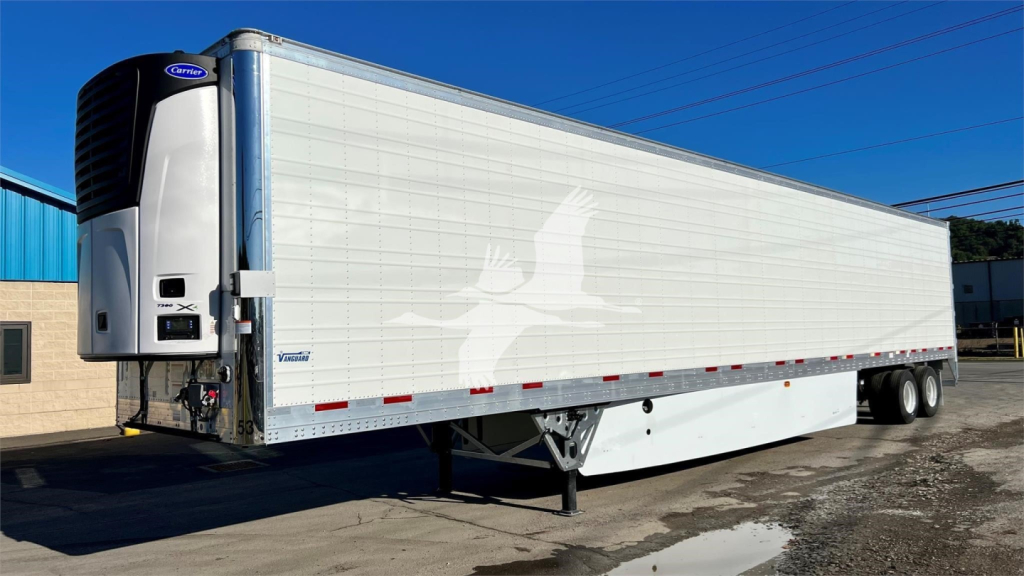
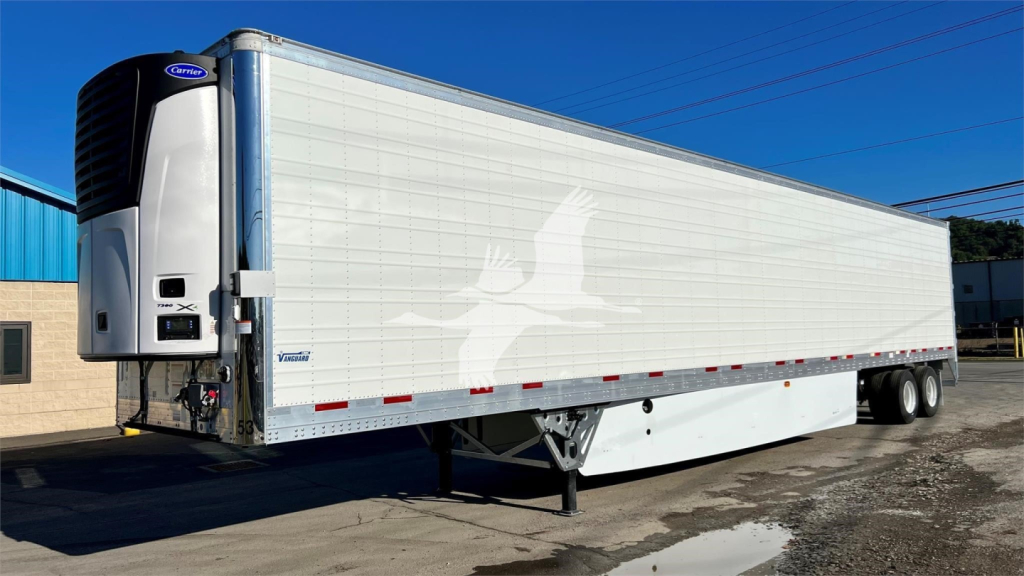
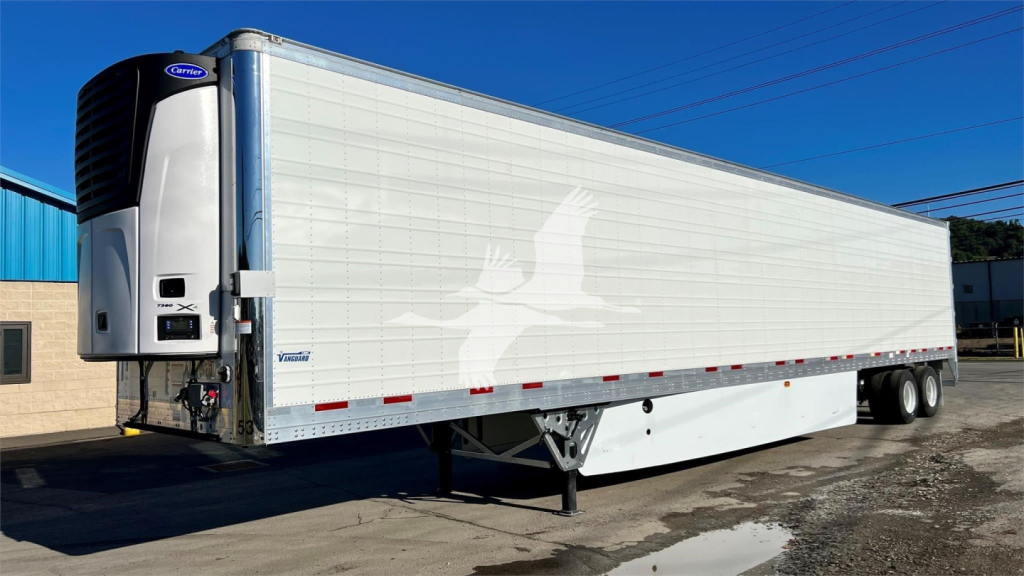
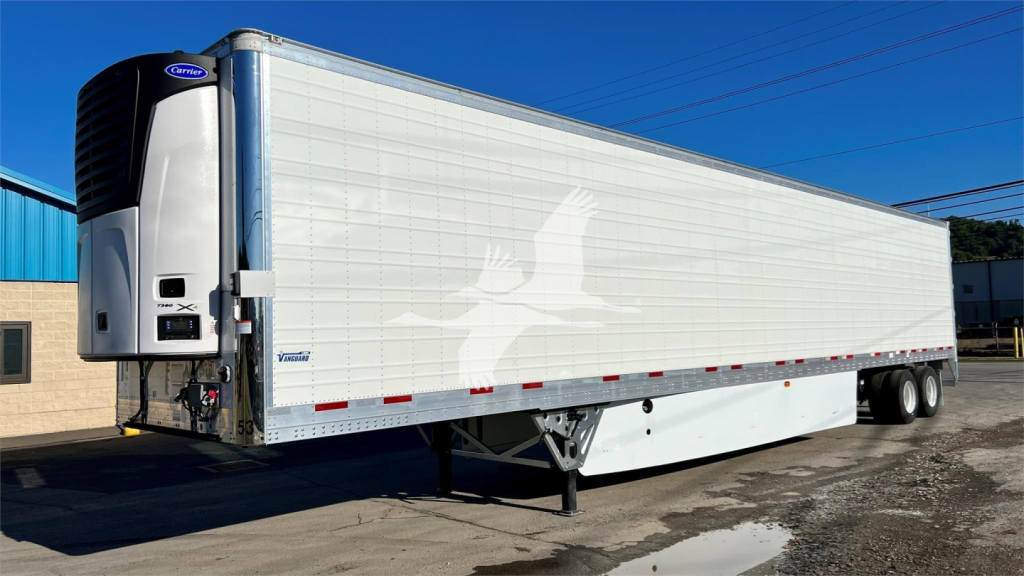
Selling a 2024 reefer trailer? List your 2024 reefer trailer for sale and reach thousands of commercial buyers.
2024 Reefer Trailers in Pennsylvania
The reefer unit itself is a major decision point. Carrier X4 and Thermo King systems are common on newer trailers, often paired with a 50-gallon fuel tank and options like electric standby for operations with dock power or stationary cold-storage use. For multi-stop grocery work, consistent pull-down performance, fuel efficiency, and service support matter more than peak brochure numbers. If your lanes involve frozen and fresh product on the same trailer, pay attention to air return bulkheads, air chutes, and trailer interior layout, because airflow management is what keeps nose-to-door temperatures more uniform. Trailer hours, reefer maintenance history, and calibration records are just as important as the model badge on the front.
Floor and interior configuration directly affect what freight the trailer handles best. Duct floors are common when airflow under the load is a priority, while flat grocery floors can be a better fit for high-cycle palletized freight and easier forklift traffic. Typical interior dimensions on this class are around 97.75 inches wide and 104.5 inches high, with door openings near 103 inches high by 98 inches wide on swing-door models. Buyers should also compare E-track placement, scuff liner height, side lining material such as Kemlite, and whether the trailer has pallet stops, vent doors, stainless rear framing, or roll-up versus swing rear doors. Those details affect load securement, dock compatibility, cleanout time, and long-term wall and door durability.
The trailer structure matters because refrigerated freight is hard on floors, suspensions, and rear frames. Common specs in this segment include aluminum roofs, foamed-in-place polyurethane insulation, galvanized or aluminum crossmember layouts, steel or hub-piloted disc wheels, 295/75R22.5 tires, Holland or Hendrickson air ride suspensions, and tire inflation systems such as MTIS with ThermALERT. Side skirts can help with fuel economy on longer highway routes, and stainless rear frames hold up better in wet, salted Northeast conditions. A buyer comparing 2024 reefer trailers should focus on the match between commodity, stop count, route length, and service access. The right trailer is not just cold. It is built to maintain temperature, protect freight, survive dock abuse, and stay productive with minimal downtime.
Frequently Asked Questions about 2024 Reefer Trailers in Pennsylvania
What size and configuration is most common for a 2024 reefer trailer?
The most common setup is a 53-foot by 102-inch refrigerated trailer with tandem axles, air ride suspension, and a sliding tandem. Many units in this class also use a 36-inch kingpin setting, 49-inch slider setting, and 295/75R22.5 tires. That configuration fits standard over-the-road and regional freight patterns while giving fleets flexibility for bridge laws, dock access, and weight distribution.
What is the difference between a duct floor and a flat floor in a reefer trailer?
A duct floor is designed to move cold air under the freight, which helps maintain more even temperatures throughout the trailer, especially on produce, frozen food, and mixed loads. A flat grocery floor is often preferred for frequent pallet handling because it gives forklifts a smoother working surface and can simplify loading patterns. The right choice depends on your product mix, loading method, and how important under-load airflow is for temperature consistency.
Which reefer unit is better, Carrier or Thermo King?
Both Carrier and Thermo King are widely used and well supported in the refrigerated trailer market. The better choice often comes down to dealer coverage in your lanes, technician familiarity, parts availability, fuel consumption, and how the unit performs in your specific duty cycle. A strong service network and documented maintenance history usually matter more than brand preference alone, especially for carriers running tight delivery windows.
What features matter most for multi-stop grocery and foodservice work?
Multi-stop operations usually benefit from strong airflow management, durable interior finishes, and hardware that stands up to repeated dock cycles. Buyers often prioritize air return bulkheads, E-track, scuff liners, stainless rear frames, durable floors, pallet stops, and reliable swing doors or roll-up doors based on dock conditions. Fast pull-down, good insulation, and stable temperature recovery after repeated door openings are critical on these routes.
Why does reefer trailer insulation and interior lining matter so much?
Insulation thickness and interior finish have a direct effect on temperature retention, unit run time, and long-term trailer durability. Foamed-in-place polyurethane insulation is common because it helps limit temperature gain through the walls, roof, nose, doors, and floor. Interior materials such as Kemlite liners and aluminum scuff protection also reduce damage from pallets and forklifts, which helps the trailer hold temperature and stay cleaner over time.