
2017 Reefer Trailers For Sale in Texas
Shop 2017 reefer trailers for sale in Texas. Compare 53-foot refrigerated trailers, reefer units, floors, suspension, and cold-chain specs.
Learn more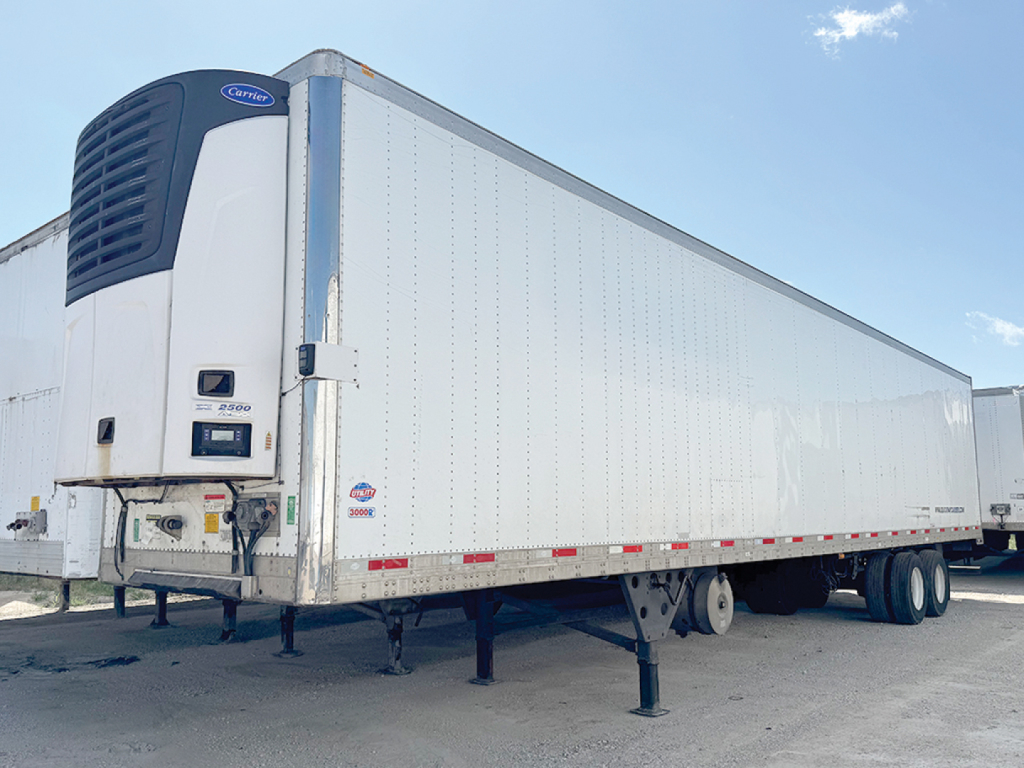

Have 2017 reefer trailer to sell? List it here to reach thousands of buyers.
About 2017 Reefer Trailers in Texas
Body spec is where operating cost and freight fit really show up. A typical 2017 reefer trailer may have a heavy-duty aluminum duct floor, scuff liners or scuff plates, stainless steel rear frame components, and either swing doors or a roll-up door depending on delivery style. For palletized grocery and distribution freight, inside height, chute condition, and floor wear are important because they directly affect airflow and forklift use. Buyers hauling produce, dairy, frozen food, pharmaceuticals, or mixed temp freight should inspect insulation integrity, door seals, drain condition, and any evidence of moisture intrusion. A reefer trailer with damaged lining, crushed ducting, or poor seal integrity can lose temperature control efficiency fast, especially in Texas heat.
The 2017 model year often gives buyers access to more modern refrigeration systems, emissions-compliant reefers, and telematics-ready setups compared with older trailers. That can matter for shippers tracking temperature compliance, fuel burn, and unit performance. It is also common to see low-profile 22.5 tires, aluminum wheels or steel disc wheels, and slider tandems set up for legal flexibility across regional and long-haul lanes. If the lane mix includes tight docks, city deliveries, or drop-and-hook grocery work, door type, suspension condition, and rear frame durability deserve close attention. If the trailer has logistics track, e-track, or load securement options, that can add versatility beyond standard food service applications.
A buyer comparing 2017 reefer trailers for sale should focus on reefer unit brand and hours, return air and discharge air performance, trailer structural condition, and the serviceability of wear components. Check the floor for forklift damage, inspect the crossmembers and rear sill, confirm tandem slide operation, and review the condition of hoses, belts, and bulkhead areas. Texas operators also benefit from paying close attention to cooling performance under high ambient temperatures, since marginal units show problems faster in hot-weather service. A clean 2017 refrigerated trailer with solid insulation, healthy unit performance, and a straight body can still be a productive asset for food distribution, beverage hauling, floral freight, and general temperature-sensitive loads.
Frequently Asked Questions
What should I check first on a used 2017 reefer trailer?
Start with the refrigeration unit, including total engine hours, maintenance history, recent repairs, and how the unit performs under load. After that, inspect the trailer body for insulation issues, floor damage, door seal wear, lining damage, and any signs of water intrusion. A used reefer trailer can look presentable outside and still have costly problems in airflow, structural condition, or temperature retention.
Are 2017 reefer trailers usually 53 feet long?
Yes, many 2017 reefer trailers on the market are 53-foot trailers with 102-inch overall width and 13-foot 6-inch overall height. That size is common for grocery, produce, frozen food, and regional distribution work because it balances cube, pallet capacity, and highway legality. Some older or specialized refrigerated trailers may be shorter, but 53-foot specs are the standard target for most buyers.
Which is more important on a reefer trailer, the trailer body or the reefer unit?
Both matter, but buyers often underestimate the trailer body. A strong reefer unit cannot overcome poor insulation, damaged duct flooring, leaking doors, or compromised interior lining. The unit creates the cooling, but the body holds it. The best used reefer trailers combine a healthy refrigeration system with solid seals, intact floors, good chute condition, and a straight, dry body.
Is air ride suspension better than spring suspension on a reefer trailer?
Air ride is generally preferred for reefer applications because it helps protect sensitive freight and can reduce shock to the trailer structure and refrigeration-sensitive cargo. It is common on later-model refrigerated trailers used in food and distribution service. Spring suspension can still be serviceable, but most buyers looking at 2017 reefer trailers expect air ride for ride quality, dock consistency, and resale appeal.
Why does Texas climate matter when buying a used reefer trailer?
Texas heat is a practical test of reefer performance. A refrigeration unit that struggles in high ambient temperatures may show weak pull-down times, poor temperature hold, or higher fuel consumption. Buyers operating in Texas should pay close attention to condenser condition, reefer service records, door seals, insulation integrity, and real-world cooling performance because hot-weather lanes expose weaknesses quickly.