
2005 Reefer Trailers For Sale
Shop 2005 reefer trailers for sale. Compare 53-foot refrigerated trailers, reefer units, floor types, suspension, and cold-chain specs.
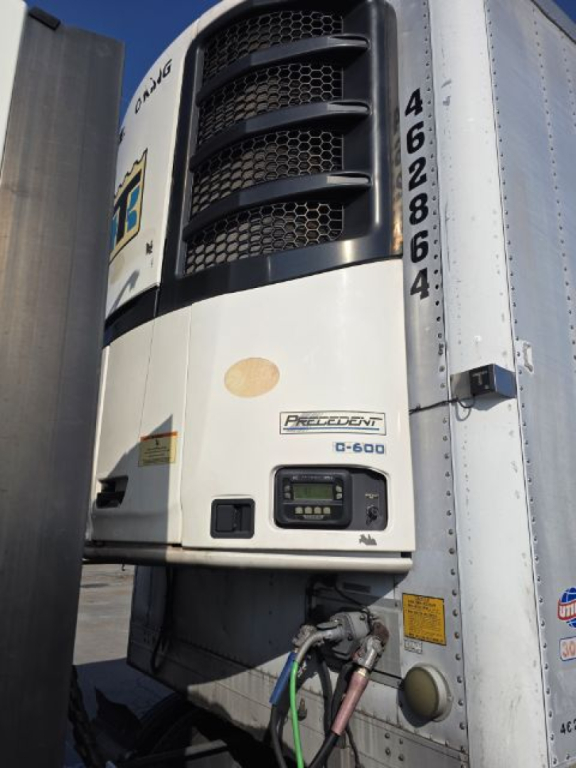

Looking for the easiest place to sell your 2005 reefer trailer? List it here to reach thousands of buyers.
2005 Reefer Trailers
Most 2005 reefer trailers on the market are 53 feet long, 102 inches wide, and built with a duct or duct-style aluminum floor to move air under the load. That floor design is critical because cargo stacked too tightly on a flat or damaged floor can restrict airflow and create temperature variation from nose to doors. Common construction details include aluminum or stainless front corners, stainless door frames, scuff liners or scuff plate, E-track, and swing doors. Air ride suspension and sliding tandems are typical and give the trailer broader fleet compatibility, especially for dock work, mixed shipper freight, and operations that need bridge-law flexibility. Inside height, door seal condition, and wall integrity should all be checked closely because even a strong reefer unit cannot overcome poor insulation or air leaks.
For a used 2005 reefer trailer, structural condition is just as important as refrigeration performance. Look for signs of floor wear around forklift traffic areas, corrosion around the front wall and evaporator mounting points, patchwork on the roof or side panels, and damage near the rear frame, threshold, and hinge assemblies. Buyers hauling grocery, produce, dairy, meat, or pharmaceutical-adjacent freight should pay close attention to washout condition, odor retention, and interior liner repairs. A trailer that holds temperature at setpoint but has excessive door leakage, soft flooring, or compromised insulation can become expensive quickly. Tire condition, brake type, wheel-end maintenance, and suspension wear also deserve attention because reefer trailers often spend long hours loaded and idling at docks.
A 2005 refrigerated trailer is often best suited for buyers who want lower acquisition cost and can manage maintenance with a disciplined shop program. It can fit regional distribution, warehouse shuttles, seasonal produce, export staging, or backup trailer duty. The key is matching the trailer to the freight profile. Heavy palletized frozen freight may call for a stronger floor and dependable deep-freeze performance, while lighter temperature-controlled distribution may place more value on door cycles, interior cleanliness, and fuel efficiency. When comparing listings, pay attention to reefer unit model, unit hours, floor design, door configuration, tandem setup, and any signs of prior body repair. Those details usually tell more about long-term value than the model year alone.
Frequently Asked Questions about 2005 Reefer Trailers
What should I inspect first on a 2005 reefer trailer?
Start with the refrigeration unit, trailer body, and insulation integrity. Check unit hours, maintenance records, temperature pull-down performance, and any history of major engine or compressor work. Then inspect the floor, sidewalls, roof, doors, seals, and front wall for leaks, soft spots, corrosion, and repair patches. A reefer trailer from 2005 can still perform well, but deferred maintenance in the unit or the insulated box usually turns into the biggest expense.
Are 2005 reefer trailers usually 53-foot trailers?
Yes, many 2005 reefer trailers are 53-foot by 102-inch trailers, which is the standard size for a large share of over-the-road refrigerated freight. You may still see some 48-foot units, especially in older regional fleets or specialized applications, but 53-foot configurations are the most common and generally offer the best compatibility with current shipper requirements and dock layouts.
How important are reefer unit hours on a used 2005 refrigerated trailer?
Unit hours are important, but they should not be viewed in isolation. High hours on a well-maintained Thermo King or Carrier unit can be acceptable if the service record shows regular maintenance, repairs, and dependable operation. Low hours are not automatically better if the unit sat unused for long periods or lacks documentation. Buyers should weigh hours together with maintenance history, start-up behavior, operating sound, temperature consistency, and evidence of recent repairs.
What floor type is best in a 2005 reefer trailer?
An aluminum duct floor is common and often preferred because it supports airflow under the load while holding up well in pallet service. The exact condition matters more than the basic floor type. Look for crushed channels, excessive forklift damage, worn threshold areas, and poor patch repairs. Good airflow across the floor is essential in a reefer trailer because blocked or damaged channels can create uneven temperatures and cargo claims.
Is a 2005 reefer trailer a good fit for over-the-road work?
It can be, provided the trailer passes a strict inspection and the reefer unit is dependable enough for the freight being hauled. Many buyers use 2005 reefer trailers successfully in regional food distribution, dedicated lanes, storage support, and lower-mileage over-the-road applications. For premium time-sensitive cold-chain freight, buyers usually need stronger confidence in unit reliability, insulation quality, and overall structural condition before putting an older refrigerated trailer into regular long-haul service.