
2004 Reefer Trailers For Sale
Browse 2004 reefer trailers for sale. Compare 48-ft and 53-ft refrigerated trailers, reefer units, insulation condition, floors, doors, and running gear.
Learn more
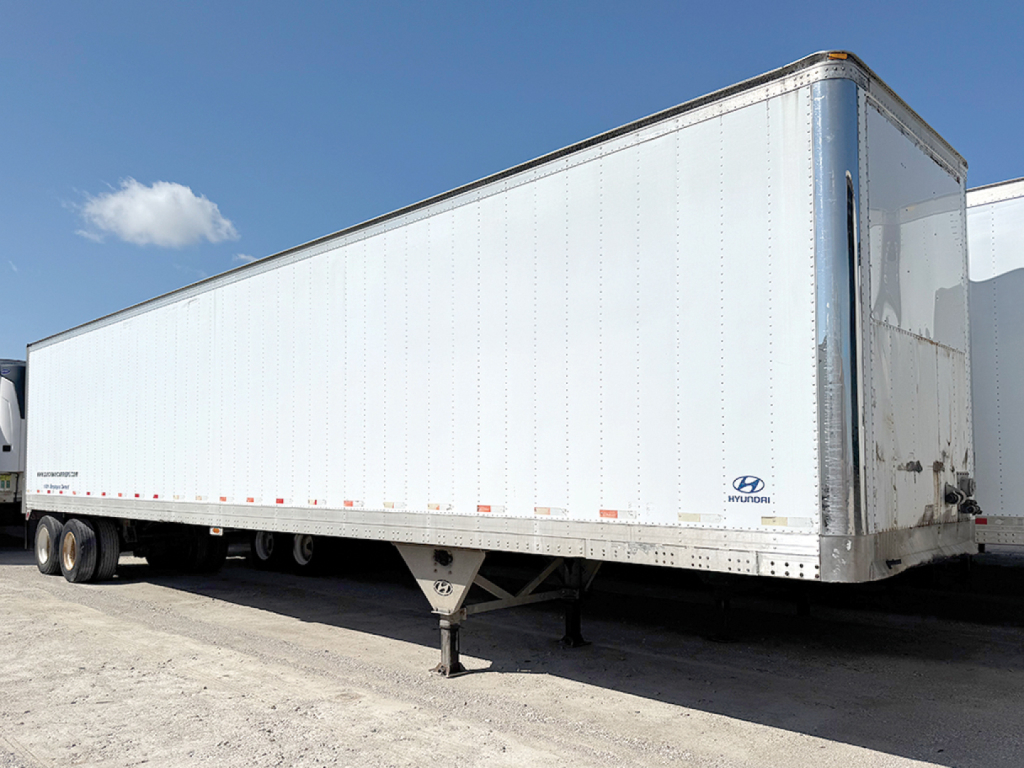
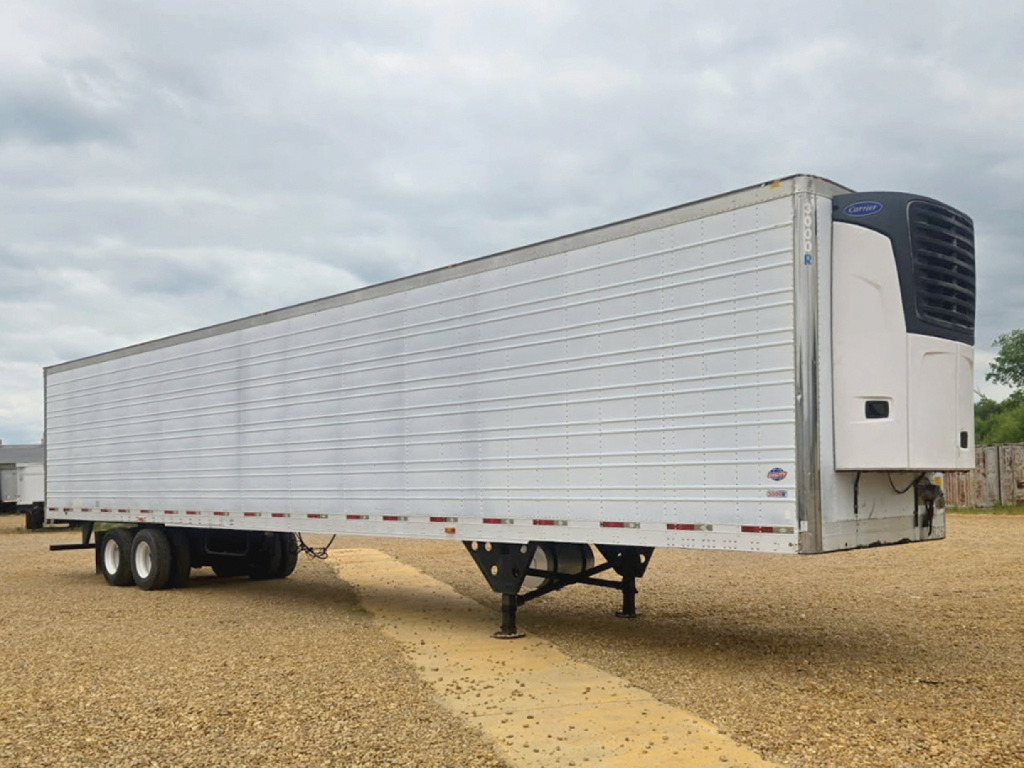
Have 2004 reefer trailer to sell? List it here to reach thousands of buyers.
About 2004 Reefer Trailers
Most 2004 reefer trailers on the market are 48-foot or 53-foot van-style refrigerated trailers with 102-inch overall width and swing rear doors, though roll-up door configurations do appear in route or multi-stop applications. Common trailer construction includes aluminum outer skins, duct or flat aluminum floors, stainless steel rear frames, and scuff liners to protect the interior walls from pallet contact. Suspension is often air ride with a sliding tandem, but some regional or older spec trailers may have spring ride. Interior height, floor style, and duct design matter because they affect cube, airflow, and how consistently the trailer pulls product temperature from nose to rear doors.
The refrigeration unit on a 2004 reefer trailer deserves special attention because it may be original, rebuilt, or replaced. Thermo King and Carrier units are the most common, and service history is more important than brand alone. Buyers should verify engine hours, electric standby if equipped, evaporator condition, temperature pull-down performance, and whether the unit is set up for single-temp or multi-temp service. If the trailer will haul produce, frozen foods, dairy, meat, or pharmaceuticals, check that the chute, return air space, and floor channels are intact so airflow is not compromised. Fuel tank condition, controller type, alarm history, and current emissions compliance can also affect long-term operating cost.
For a 2004 model, resale value and operating efficiency usually come down to the total package: insulation integrity, reefer unit health, tire and brake condition, and how well the trailer fits the lane. A 53-foot air ride trailer with a sliding tandem is typically the most flexible choice for over-the-road refrigerated freight, while a 48-foot reefer may still fit regional fleets or dedicated customers. Buyers should also confirm kingpin setting, axle spread, door hardware condition, ABS status, and any recent work on the floor, crossmembers, or suspension. A well-kept 2004 reefer trailer can still serve in produce, frozen, floral, and general cold-chain applications, but deferred maintenance shows up quickly in fuel burn, temperature variation, and rejected loads.
Frequently Asked Questions
What should I inspect first on a 2004 reefer trailer?
Start with the trailer body and insulation condition before focusing on cosmetics. Check the front wall, roof joints, rear frame, and door openings for repairs, corrosion, or signs of water intrusion. Look at the interior liner, scuff plates, floor channels, and door seals because air leaks and damaged insulation reduce temperature control. After that, review reefer unit service records, engine hours, and pull-down performance to see if the refrigeration system matches the condition of the box.
Is a 2004 reefer trailer too old for food-grade freight?
Not necessarily. A 2004 reefer trailer can still handle food-grade freight if the interior is clean, the insulation is intact, the floor and walls are not contaminated or damaged, and the refrigeration unit maintains setpoint reliably. Many shippers care more about sanitation, temperature performance, and maintenance documentation than model year alone. The key is verifying that the trailer passes washout standards, holds temperature evenly, and does not show structural issues that could affect product integrity.
What reefer unit issues are common on older refrigerated trailers?
On older reefer trailers, common concerns include high engine hours, worn evaporator components, controller faults, fuel system issues, and reduced cooling efficiency under heavy ambient heat. Buyers should also check for refrigerant leaks, compressor condition, standby operation if equipped, and alarm code history. An older unit can still be dependable, but deferred service often leads to poor pull-down times, unstable temperatures, and higher repair costs during peak season.
What floor type is best in a used reefer trailer?
That depends on the freight and loading pattern. Aluminum duct floors are common because they support airflow under the load and help maintain consistent temperatures from front to rear. Flat floors can work well in certain applications, but they require proper pallet spacing and airflow management. On any 2004 reefer trailer, inspect the floor for crushed channels, soft spots, weld repairs, and heavy fork damage because floor condition directly affects both airflow and forklift durability.
Should I choose a 48-foot or 53-foot 2004 reefer trailer?
A 53-foot reefer trailer usually offers better freight flexibility and stronger resale because it fits mainstream over-the-road refrigerated lanes and maximizes cube. A 48-foot reefer can still make sense for regional work, tighter delivery points, or fleets with specific customer requirements. The decision should come down to lane compatibility, bridge and axle rules, expected payload, and how often the trailer will be loaded to full cubic capacity.