
2003 Reefer Trailers For Sale
Shop 2003 reefer trailers for sale. Compare 53-foot refrigerated trailers by unit type, floor design, suspension, insulation, and condition.
Learn more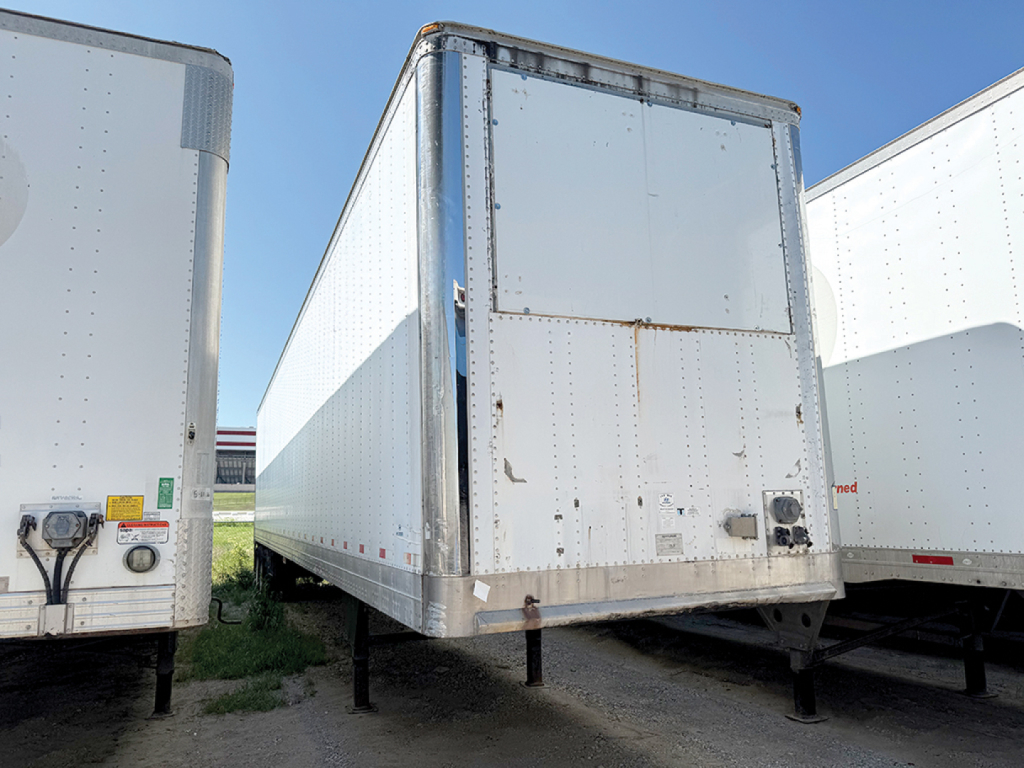
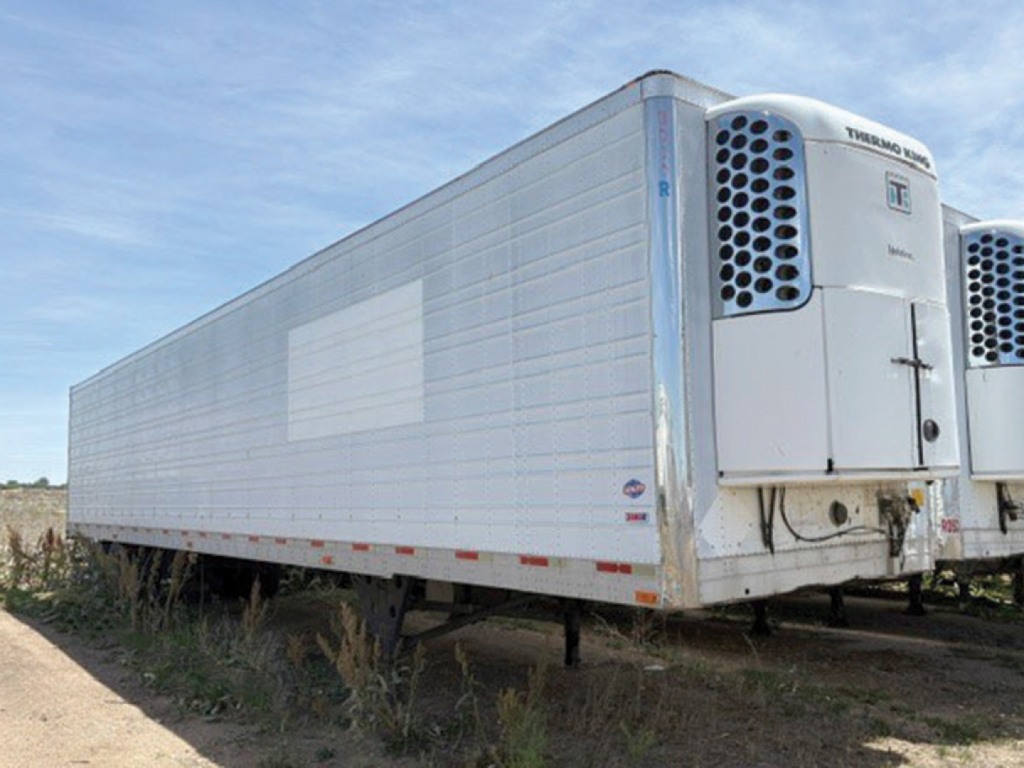
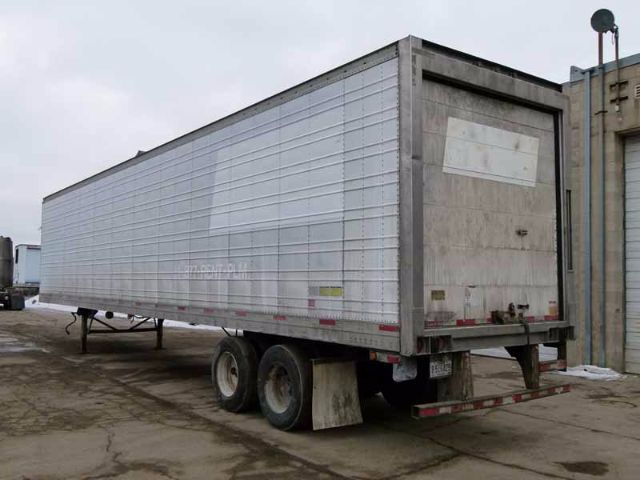
Have 2003 reefer trailer to sell? List it here to reach thousands of buyers.
About 2003 Reefer Trailers
For a 2003 reefer, pay close attention to the refrigeration system first. Common units from this era include Thermo King SB-series and Carrier Maxima or Ultra models. Hours matter, but maintenance history matters more. Look for engine rebuild records, compressor work, evaporator condition, and evidence that the unit can hold setpoint under load rather than just pull down empty. Buyers should also inspect the trailer body for damaged insulation, soft spots in the floor, air leaks around doors, cracked interior lining, and corrosion at the front wall, rear frame, and crossmember areas. A reefer that cannot maintain airflow is a liability even if the unit starts easily.
Most 2003 reefer trailers on the market are aluminum or composite-bodied 53 x 102 models with 13-foot 6-inch overall height, swing doors, duct floors or aluminum floors, and air ride suspension with sliding tandems. Interior details have a big effect on application. A duct floor and cold chute help maintain even front-to-rear temperatures. Scuff liners or scuff plate protect the walls in heavy pallet service. E-track can be useful for load securement in multi-stop or mixed freight operations. Tire inflation systems, side skirts, and low rolling resistance tire setups are less common on original 2003 specs, but many trailers in this category have been updated over time.
A 2003 reefer trailer can still make sense for regional grocery, cold storage shuttle work, seasonal produce, or backup capacity where purchase price matters more than the latest unit technology. The best candidates are trailers with clean floors, tight rear doors, solid swing door frames, consistent temperature records, and documented reefer service intervals. Buyers should also confirm compliance items such as ABS function, lighting, brakes, tire condition, and California or local emissions requirements for the refrigeration unit if the trailer will run in regulated markets. On an older reefer, the real value is in maintenance discipline and remaining serviceability, not model year alone.
Frequently Asked Questions
What should I inspect first on a 2003 reefer trailer?
Start with the refrigeration unit, then move to the trailer body. Verify the unit starts cleanly, pulls down to set temperature, and holds that temperature under operation. Review engine hours, service records, rebuild history, and any recent compressor or evaporator work. After that, inspect the floor, front wall, roof, door seals, rear frame, and crossmembers for water intrusion, corrosion, impact damage, or insulation failure. Older reefer trailers often pass a basic visual check but still lose efficiency through worn seals, damaged lining, or weak airflow components.
Are 2003 reefer trailers still practical for commercial use?
Yes, many are still practical if the trailer has been maintained correctly and the intended use matches the equipment. A 2003 reefer can still work well in regional lanes, warehouse transfers, produce harvest, or as reserve capacity during peak demand. It is less ideal for operations that need maximum uptime, strict fuel efficiency, or access to all emissions-regulated areas without unit upgrades. The decision usually comes down to total operating cost, reefer unit condition, and how sensitive the freight is to temperature variation.
Which features matter most in an older reefer trailer body?
Floor design, insulation integrity, door condition, and suspension spec matter most. A heavy duty aluminum duct floor helps airflow and supports pallet traffic, while a cold chute improves air distribution on frozen and chilled loads. Good scuff liners reduce wall damage from forklifts and pallets. Tight swing doors with a solid stainless or corrosion-resistant frame help the trailer hold temperature and reduce moisture intrusion. Air ride suspension and sliding tandems are also common priorities because they improve ride quality, dock flexibility, and axle compliance.
How do reefer unit hours affect the value of a 2003 reefer trailer?
Reefer unit hours are an important indicator, but they should never be judged alone. High hours with complete maintenance records can be a better risk than lower hours with poor service history. Buyers should compare engine hours, unit model, major repairs, controller updates, and actual cooling performance. A unit with documented preventive maintenance, recent major service, and stable operating temperatures often carries more value than one with fewer hours but unknown history. On older trailers, unit condition can change the trailer's real value more than cosmetics.
What reefer brands and unit types are common in this age group?
Many 2003 reefer trailers were built by major manufacturers such as Utility, Great Dane, Wabash, Hyundai, and Kentucky. Refrigeration units from this period are commonly Thermo King SB-series models or Carrier Maxima and Ultra series units, depending on original fleet spec and later replacements. The trailer itself is usually a 53-foot tandem axle refrigerated van with swing doors, air ride suspension, and a sliding tandem setup. Exact specs vary, so buyers should verify the body construction, inside height, floor style, and current unit model rather than relying only on the badge or original configuration.